

Vibration Table Applications in the Aerospace Industry
On the early morning of April 25, 2025, the Shenzhou-20 manned spacecraft launch mission was successfully completed, with three astronauts safely entering China's space station. Overcoming Earth's gravity, penetrating atmospheric resistance, and smoothly entering space amid friction and vibration, this marks another remarkable achievement in China's space program.
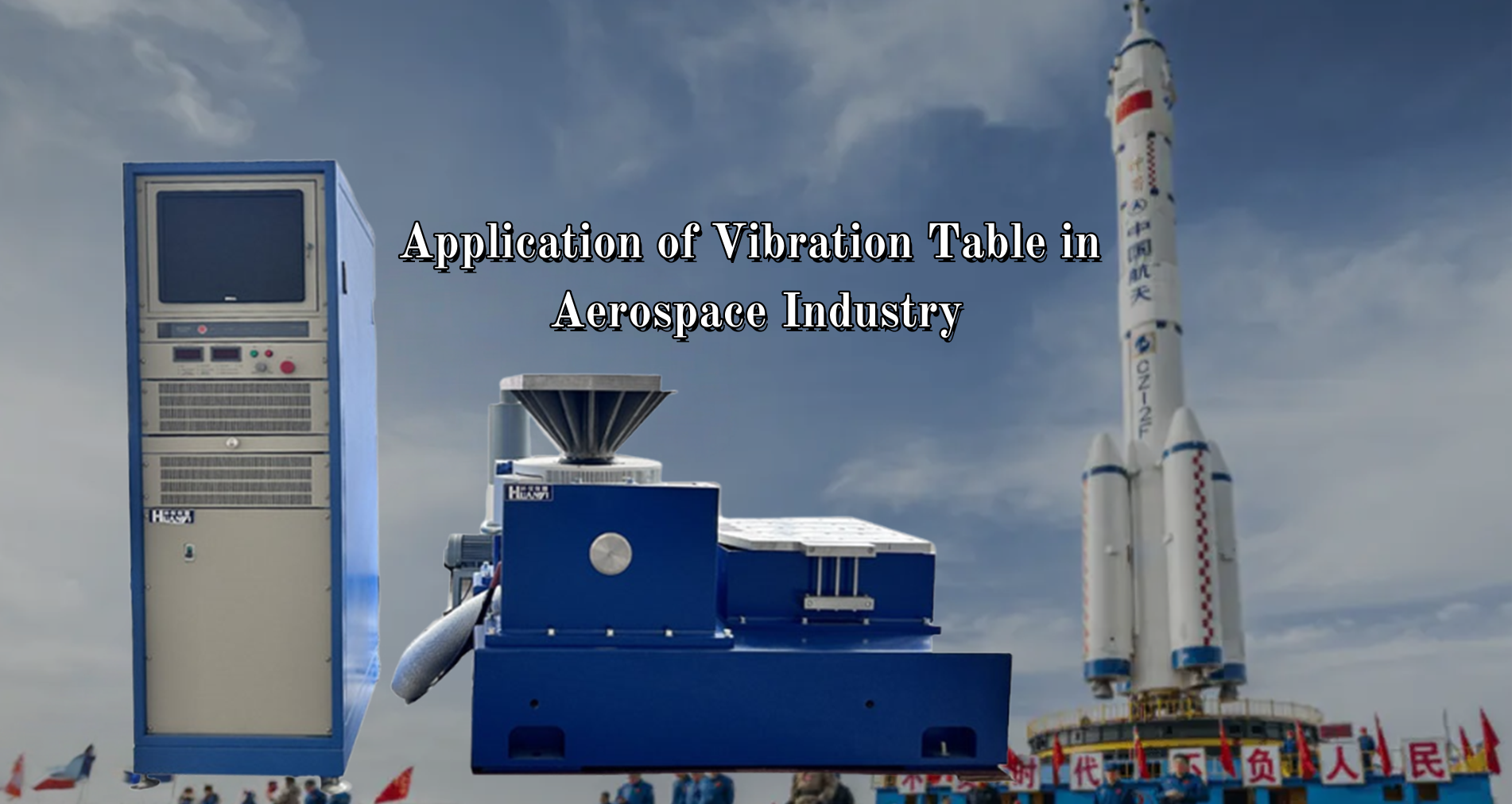
Vibration testing plays a crucial role in the military and aerospace sectors. It simulates the vibrational environments products encounter during transportation and flight, evaluating their ability to withstand impacts and vibrations to ensure structural strength, reliability, and safety. For instance, rockets and satellites like the Shenzhou-20 spacecraft must undergo rigorous vibration testing during development to ensure stability and safety during launch and operation.
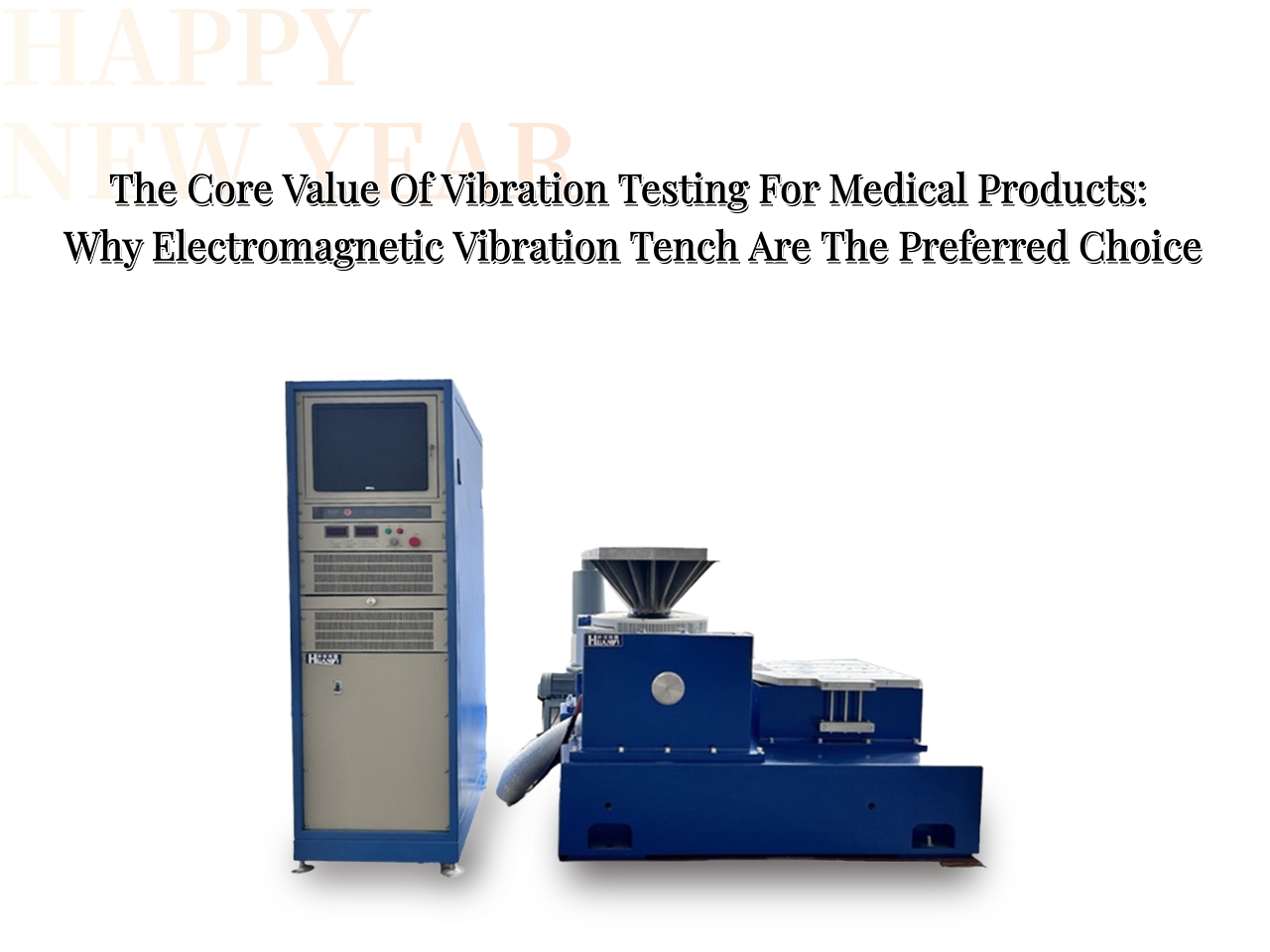
Specifically, operational spacecraft first undergo vibration testing on a vibration test bed, which is primarily used to simulate the complex mechanical environments (such as vibration, impact, and noise) experienced by spacecraft during launch, flight, and reentry, to verify their structural reliability and performance stability.
(1) Launch phase environment simulation
Rocket launch vibrations: Simulate the wide-frequency random vibrations and sinusoidal vibrations generated during stages such as rocket engine ignition, stage separation, and transonic flight to test the vibration resistance of payloads like satellites and spacecraft.
Structural integrity verification: Assess the fatigue life and potential resonance points of spacecraft structures (such as solar panels, antennas, and supports) under vibration conditions.
(2) In-orbit operation environment testing
Micro-vibration impact analysis: Simulate micro-vibrations generated by devices such as flywheels and gyroscopes during spacecraft in-orbit operation to assess their interference with high-precision payloads (e.g., optical cameras, laser communication equipment).
Deployment mechanism testing: Verify the reliable deployment and locking performance of deployable structures (e.g., solar wings, large antennas) under vibration conditions.
(3) Reentry and Landing Impact Testing
Simulate aerodynamic noise vibrations and landing impacts (such as parachute deployment impacts and landing retro-thrust ignition) during the reentry of the return capsule into the atmosphere, ensuring the survivability of sensitive instruments (such as black boxes and navigation systems).
(4) Component and Material-Level Testing
Conduct vibration screening (ESS, environmental stress screening) on critical spacecraft components (e.g., propellant tanks, electronic equipment, connectors) to identify manufacturing defects in advance.
Vibration test stands commonly used in the aerospace field must meet stringent requirements such as high frequency, high acceleration, and multiple degrees of freedom:
Electric vibration test stand: Covers low to high frequencies (5 Hz to 2000 Hz), suitable for sinusoidal and random vibration testing.
Hydraulic vibration test stands: Used for high-force, low-frequency (0.1 to 100 Hz) testing, such as whole-vehicle vibration tests for large spacecraft.
Three-axis/six-degree-of-freedom vibration test stands: Simulate multi-directional composite vibrations, more closely resembling real launch environments.
Hybrid simulation systems: Combine vibration test stands with numerical simulation to enable real-time testing under complex conditions (such as aero-structural coupling).
With the rapid development of aerospace technology, the demand for feasibility testing of large components and even entire systems for next-generation rockets, space stations, large aircraft, aircraft carriers, and other large-scale projects has led to higher requirements for vibration table platform size and thrust. Frequency and thrust (tonnage) have become key indicators for evaluating vibration table performance. For the testing equipment industry, this represents both higher standards and broader opportunities.