


What Are The Differences Between Water-Cooled Xenon Lamps And Air-Cooled Xenon Lamps?
Key Difference: Heat Dissipation Method
Air-cooled Xenon Lamp: Uses a fan to force airflow, utilizing air convection to carry away heat from the lamp tube and reflector surface.
Water-cooled Xenon Lamp: Uses a circulating coolant (usually deionized water) flowing in a closed water channel around the lamp tube and reflector, directly transferring heat to an external cooling system (typically including a radiator and fan) for dissipation.
Detailed comparison table
| Features/Aspects | Air-cooled xenon lamp | Water-cooled xenon lamp |
| Heat dissipation efficiency | Low. Water has a low specific heat capacity and poor thermal conductivity, resulting in limited heat dissipation capacity. | High. Water has a high specific heat capacity and thermal conductivity far exceeding that of air, enabling it to quickly remove large amounts of heat. |
| Power and Brightness | Low. Limited by heat dissipation capacity, power is typically low (tens of watts to around one kilowatt), resulting in relatively low brightness. | Very High. Efficient heat dissipation allows it to withstand high power (kilowatts to tens of thousands of watts), thus achieving high brightness output. |
| Structural Complexity | Simple. Primarily composed of a lamp tube, reflector, fan, and power supply; compact structure. | Complex. Requires a complete circulating cooling system including water channels within the lamp holder, water pump, water tank, heat exchanger (radiator), and external fan. |
| Size and Portability | Small size, lightweight, and highly portable. Typically integrated into a single device case. | Large size, bulky, and poorly portable. The main unit usually requires an external cooling unit. |
| Noise Level | The noise level is relatively high. This is mainly due to the high-speed cooling fan. | The noise level is relatively low. Although the external heatsink also has a fan, the lamp holder itself is quieter, and the cooling unit can be placed at a distance. |
| Light Output Stability | Poor. Prolonged high-power operation causes heat buildup, leading to increased lamp temperature and a decrease in color temperature and light intensity (light decay). | Excellent. A constant water temperature ensures the lamp remains at its operating temperature, resulting in very stable light output, with almost no change in color temperature and brightness. |
| Lifespan and Maintenance | Relatively short lifespan. Prolonged high-temperature operation accelerates the aging of the lamp and electrodes. Maintenance is simple, mainly involving cleaning the fan and replacing the lamp. | Long lifespan. Optimal operating temperature significantly extends lamp life. Maintenance is complex, requiring regular coolant replacement and prevention of water circuit blockages and leaks. |
| Cost | Low initial cost. The system is simple, with low manufacturing and maintenance costs. | High initial and maintenance costs. The system is complex, with many components, and high costs for coolant and overall maintenance. |
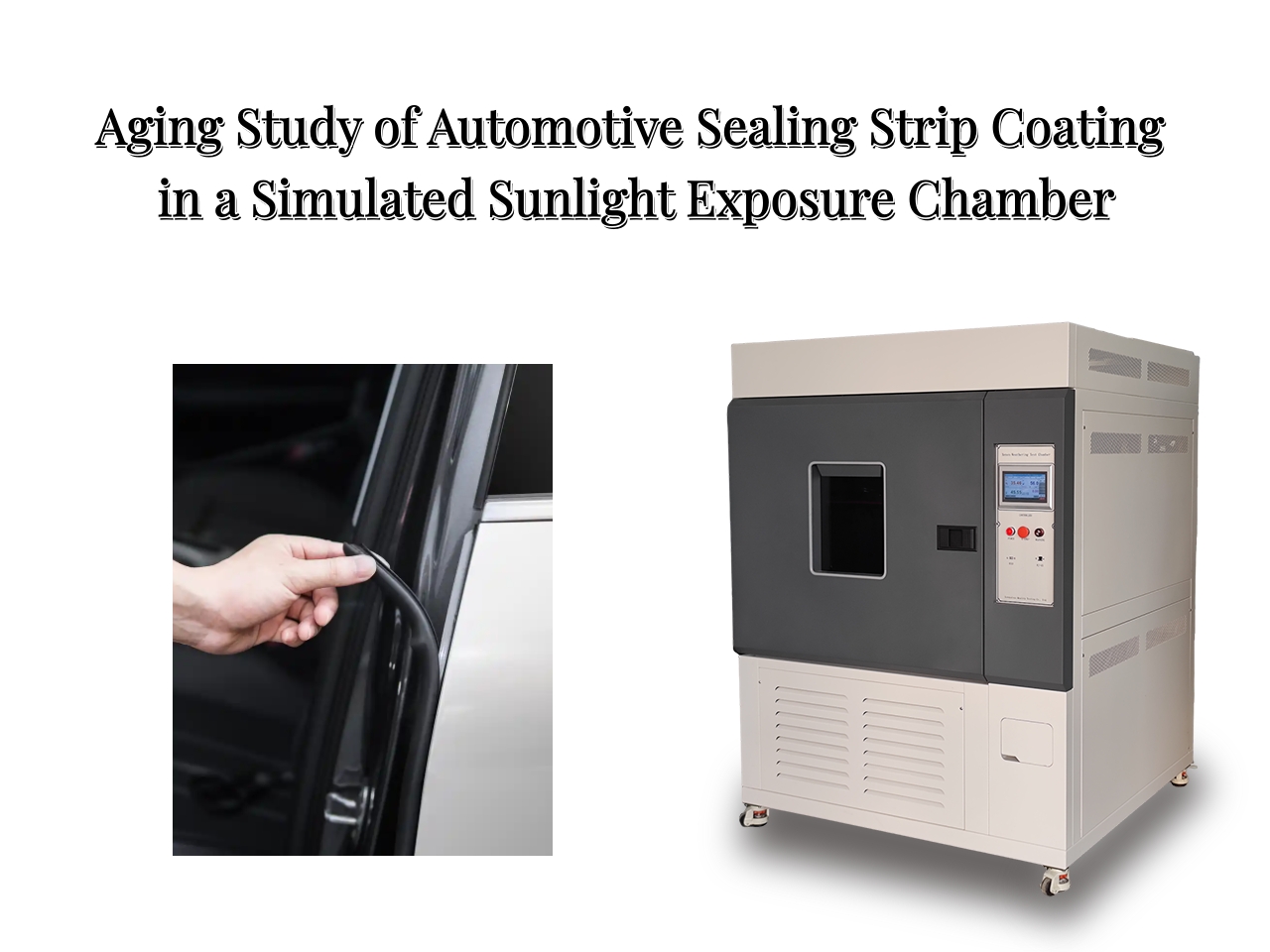
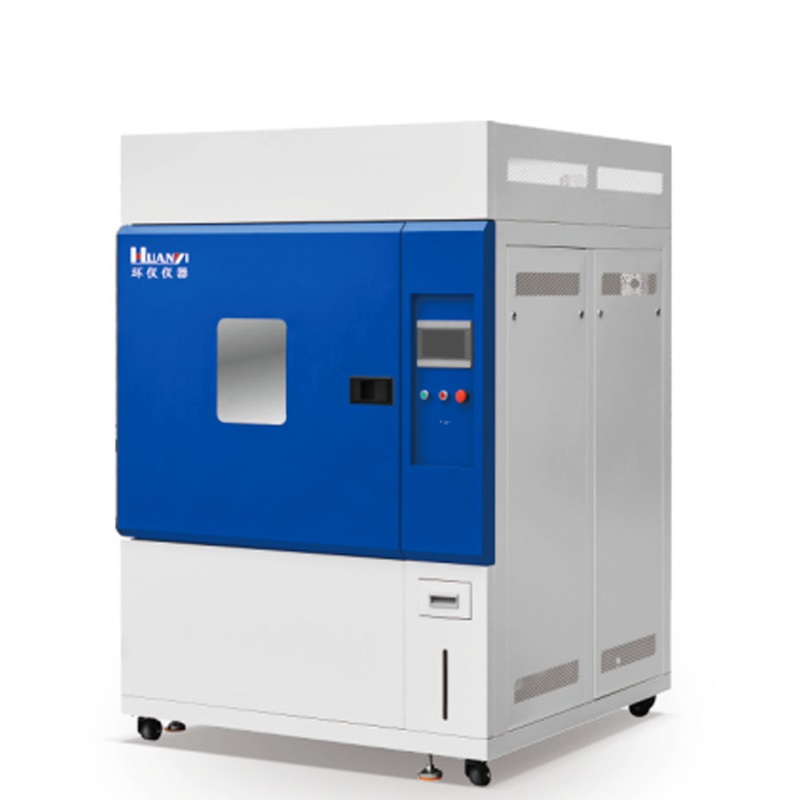
| Main Application Scenarios | Small projectors, movie projectors, indoor experiments simulating sunlight, small searchlights, etc. | Large movie projectors (cinemas), large simulated Solar Radiation Test Chambers, optoelectronic material testing, high-intensity aging tests, large stage lighting, etc. |
How to Choose?
The choice of xenon lamp depends on your application needs:
Choose an air-cooled xenon lamp if:
You need portable, mobile equipment.
You are cost-sensitive.
You don't have very stringent requirements for brightness and light stability.
You don't have high power requirements and your continuous operating time is short.
Typical applications: portable projectors, small scientific demonstrations, low-power lighting.
Choose a water-cooled xenon lamp if:
You need high brightness and power.
You have stringent requirements for long-term light stability (e.g., scientific experiments, standard testing).
Your equipment is usually fixed and doesn't need to be moved.
You can accept a higher purchase and maintenance budget.
Typical applications: commercial cinema projectors, automotive whole-vehicle sunlight simulation testing, satellite component space environment simulation testing, stage follow spots that operate continuously for long periods.
Air cooling is like installing a fan on a computer CPU, while water cooling is like installing a separate water cooling system.
Air cooling is economical, simple, and portable, but it sets an upper limit on performance (power and stability).
Water cooling excels in performance, stability, and maximum power, but comes at the cost of complexity, expense, and bulkiness.