



What Extreme Drop Tests Can The Drop Tester Simulate?
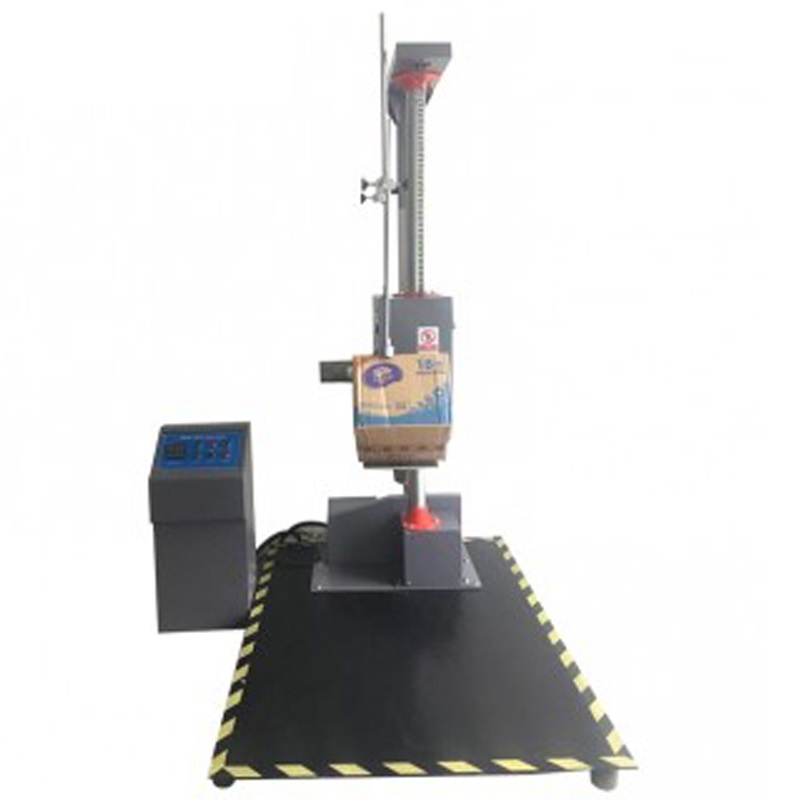
By adding special accessories, environmental simulation modules, or adjusting test parameters, a Drop Tester can go beyond the basic "free drop under normal temperature and pressure" scenario and simulate drop tests in a variety of extreme environments to verify a product's drop resistance under harsh operating conditions (such as low temperature, high humidity, high altitude, and combined impacts). These extreme scenarios often correspond to the real risks of products in special transportation (such as cold chain and high-altitude logistics), harsh operating environments (such as polar regions and hot and humid areas), or unexpected extreme accidents. They can be specifically categorized as follows:
I. Drop Testing in Extreme Temperature and Humidity Environments
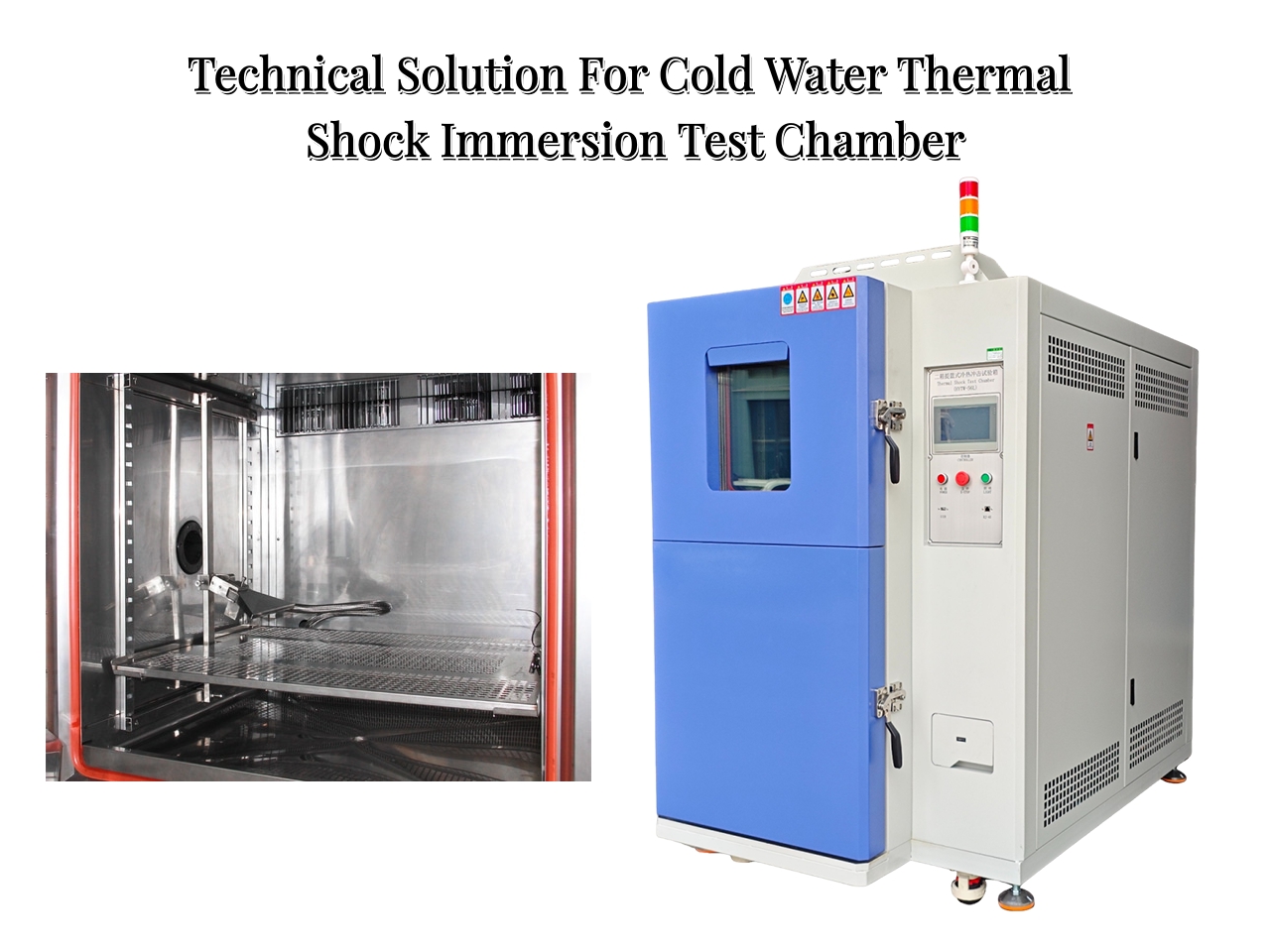
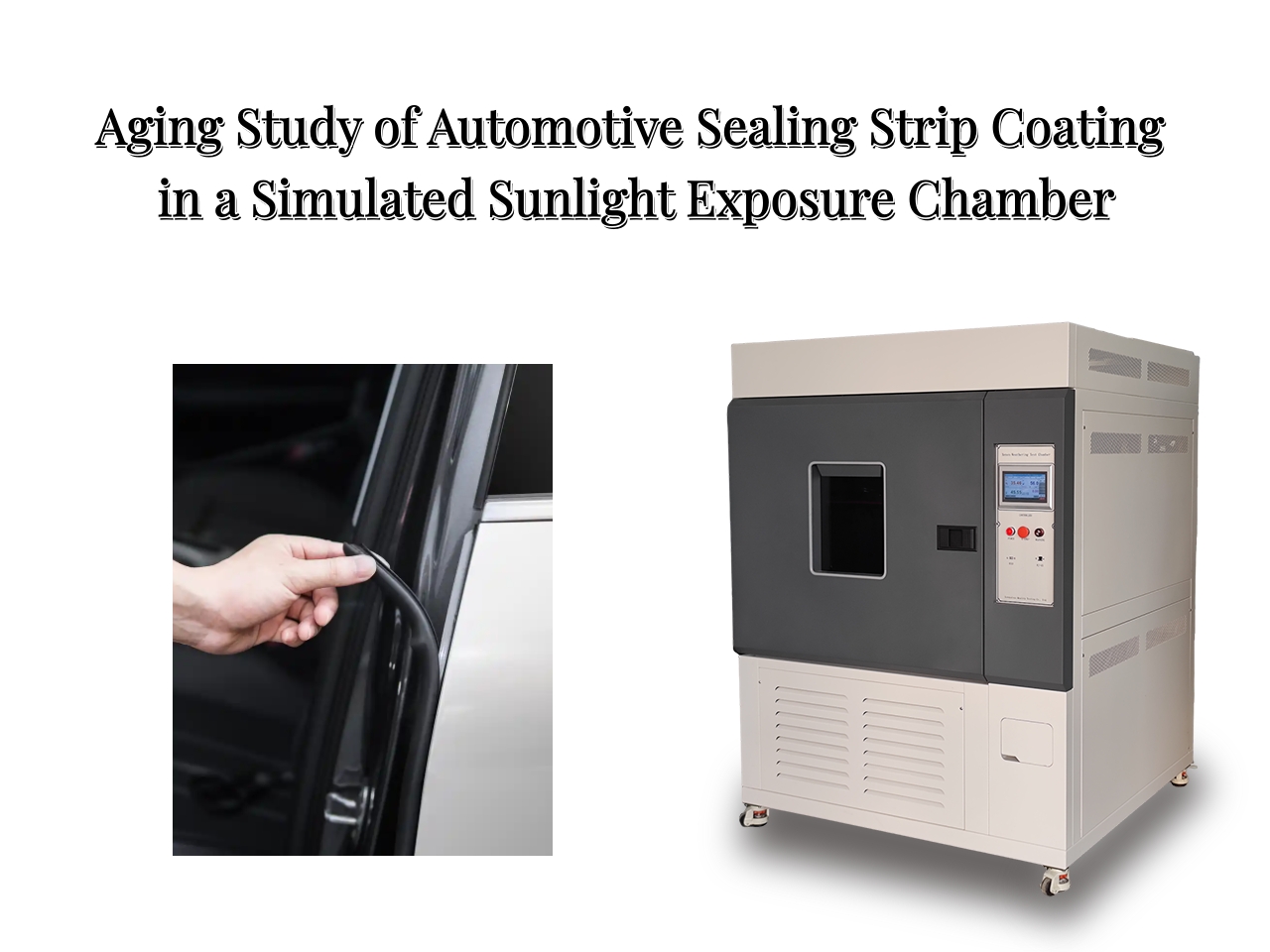
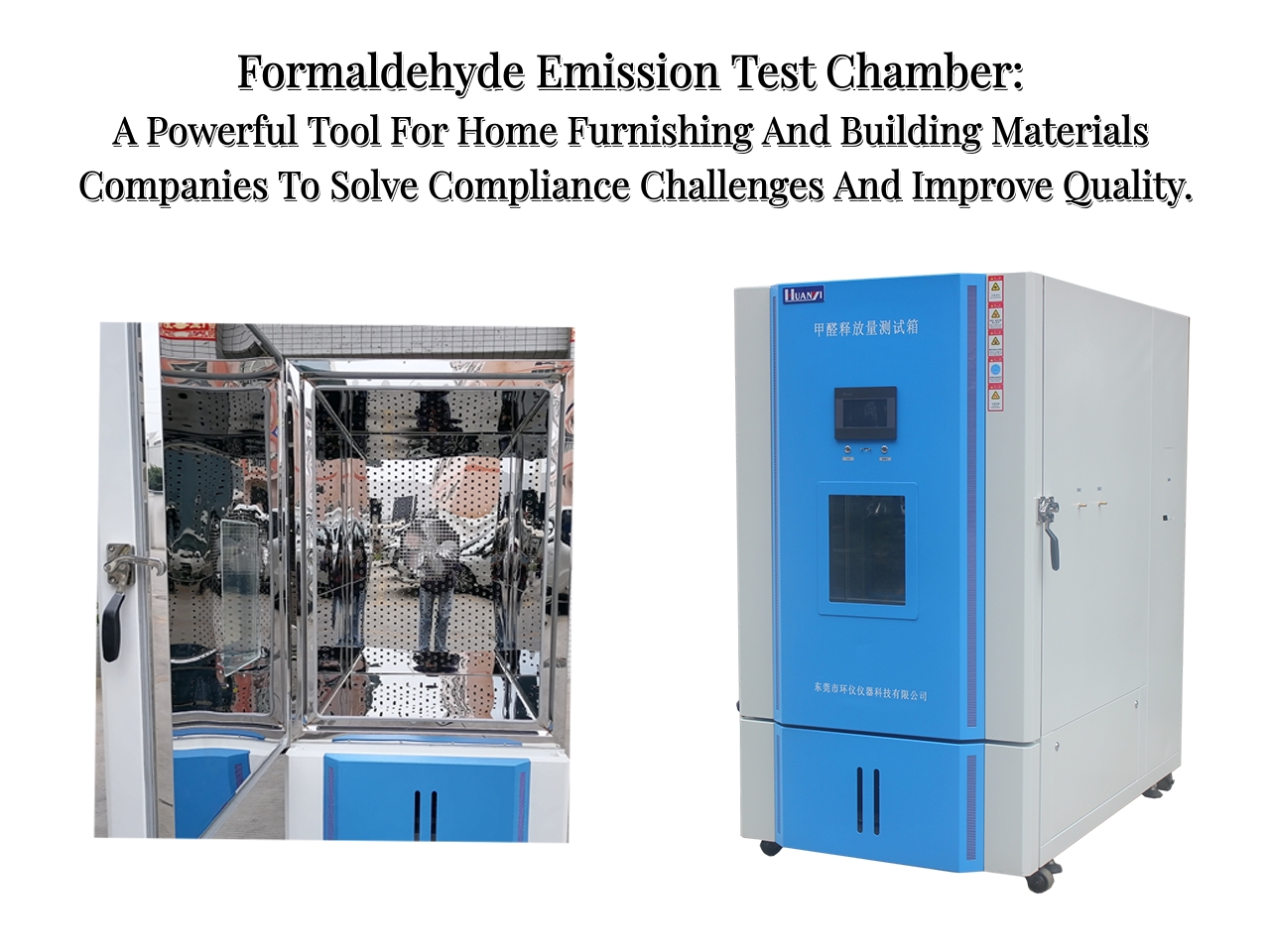
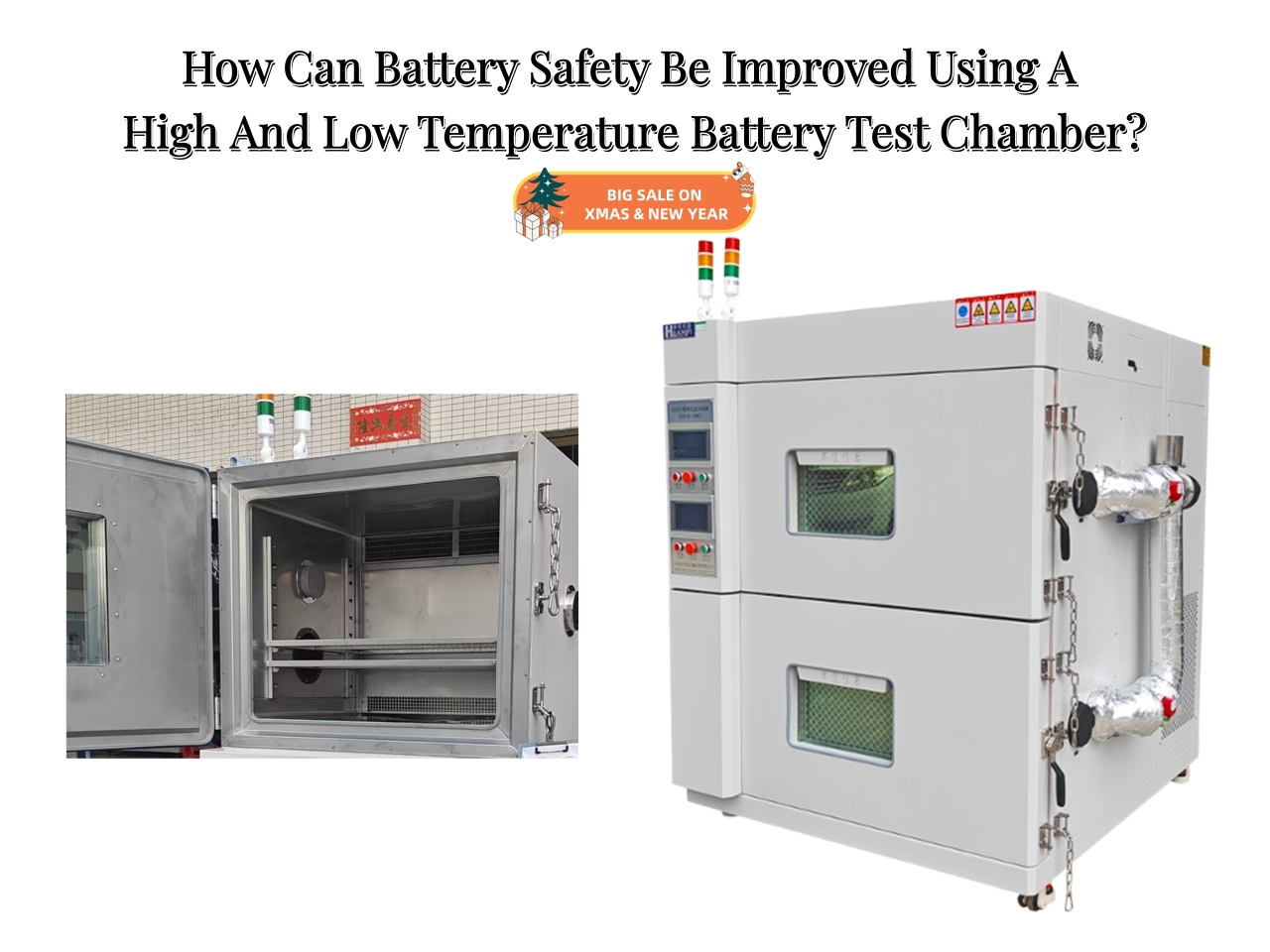
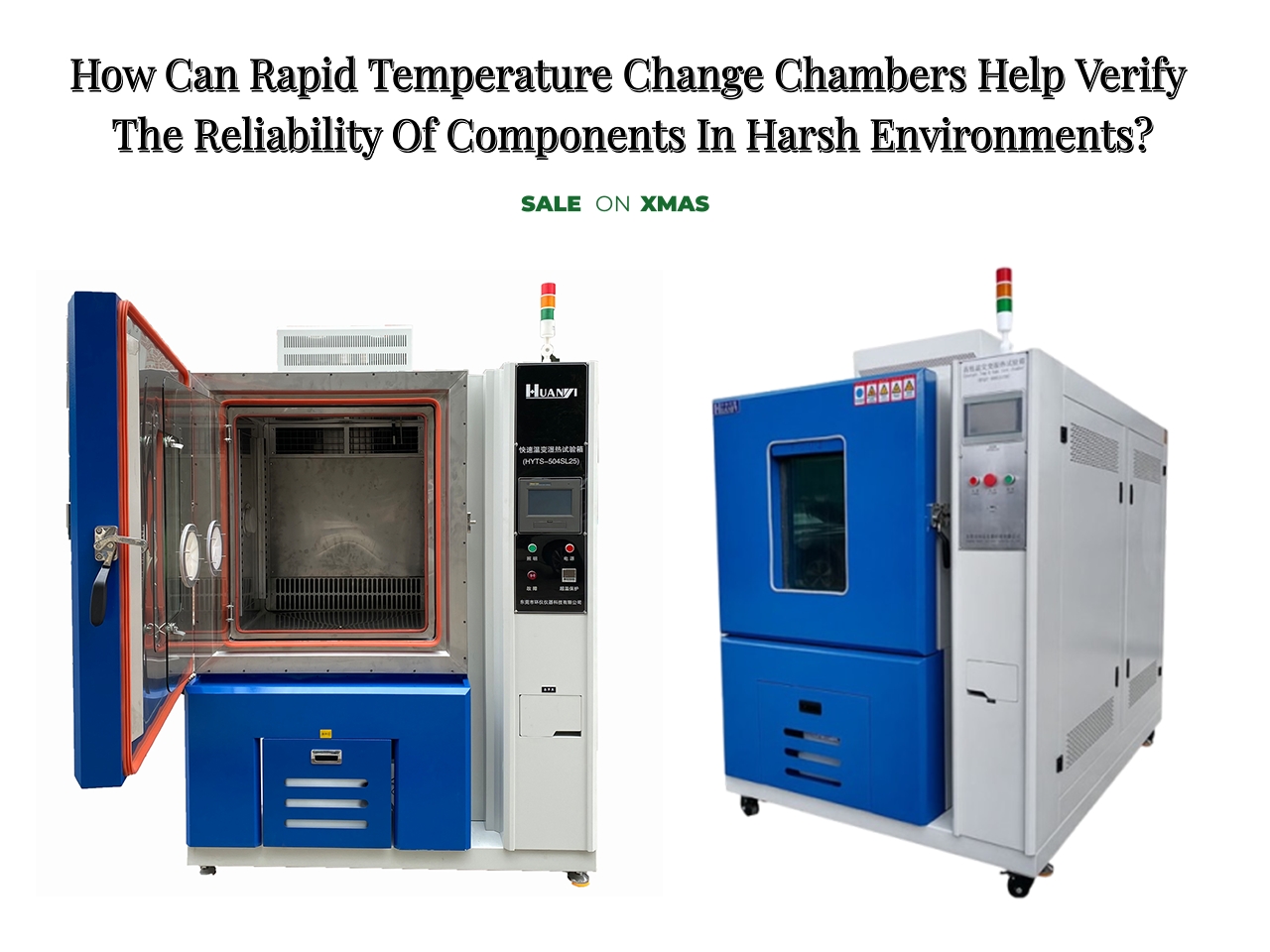
Temperature and humidity can directly affect material properties (e.g., low temperatures make plastics brittle, high temperatures soften rubber, and high humidity accelerates metal corrosion). This type of testing requires combining an "environmental Simulation Chamber" with a drop tester. Samples are first stabilized at extreme temperature and humidity for a period of time (known as "environmental preconditioning") before the drop test. This simulates the drop risks of products in cold chain and tropical/cold zone logistics.
1. Drop in Low Temperature Environments (-60°C to 0°C)
Simulation scenarios: Products dropped during transportation in cold regions (e.g., Arctic scientific research equipment, northern winter logistics), cold chain transportation (e.g., frozen foods, cryogenic medical devices), or accidental drops during use in low-temperature environments (e.g., electronic equipment used in polar regions).
Core Impact: Low temperatures can reduce the toughness and increase the brittleness of non-metallic materials such as plastics and rubber (e.g., a mobile phone case at -20°C may change from being bendable to being easily broken). Solders and screws in metal components may also loosen due to thermal expansion and contraction.
2. Drop in High Temperature Environments (40°C to 150°C)
Simulation scenarios: Products dropped during transportation in tropical regions (e.g., Southeast Asian logistics), high-temperature storage (e.g., open-air warehouses in summer), or when used near heat sources (e.g., automotive parts near the engine). Core Impact: High temperatures can soften materials (e.g., plastic casing deformation, rubber seal failure), reduce adhesive strength (e.g., screen separation from the midframe), and accelerate damage to internal electronic components (e.g., capacitors, chips) due to the combined effects of high temperature and shock.
3. Drop in a High Humidity/Hot Environment (Humidity 60%-95% RH, Temperature 30°C-60°C)
Simulation Scenario: Drop the product in a tropical rainforest, coastal high-humidity environment, or humid storage. This test focuses on verifying the effects of "humidity + shock" on the product's rust resistance and insulation performance.
Core Impact: High humidity can accelerate rusting of metal components (e.g., screws and springs), leading to loosening of the structure. It can also reduce the insulation performance of electronic components. If the housing is damaged during a drop, moisture can easily enter and cause a short circuit.
II. Drop Testing in High-Altitude/Low-Pressure Environments
High-altitude areas (such as the Qinghai-Tibet Plateau and high-altitude scientific research sites) have low air pressure (at 5,000 meters above sea level, the air pressure is approximately 50% of standard atmospheric pressure). This can affect the product's "cushioning performance" (e.g., reduced expansion of the air cushioning bag within the package) and "sealing performance" (e.g., rupture of the sealed package due to internal and external pressure differentials). These tests must be conducted in a "low-pressure Environmental Chamber."
Simulated scenarios: High-altitude logistics (e.g., express delivery in plateau areas), air transportation (e.g., aircraft cargo holds, where the air pressure is approximately 30%-60% of standard atmospheric pressure), or drops of high-altitude equipment.
Key Impacts:
Cushioning Failure: Under low pressure, the air in foam and air cushioning bags expands (or contracts, depending on the cabin pressure control), reducing cushioning capacity. The impact force during a drop is directly transmitted to the product.
Seal Rupture: Sealed packaging (e.g., vacuum food bags and waterproof electronic product packaging) can easily rupture due to the increased internal and external pressure differentials. This can lead to moisture or contamination of the product.
III. Impact-Accumulated Drop Test
This type of test does not modify environmental parameters. Instead, it increases the intensity, frequency, or combined stress of the drop impacts to simulate the risk of product drops in extreme situations such as violent sorting, car accidents, and heavy objects falling. The focus is on verifying the product's ultimate impact resistance.
1. Repeated Drop Test (Multiple Continuous Drops)
Simulation scenario: Products are repeatedly dropped in a logistics sorting line (such as multiple drops in a courier sorting machine) or frequently accidentally dropped during use (such as tools on a construction site).
Test Method: A constant drop height (usually 1-2 meters) is set, and the sample is dropped 10-100 times in a row (the number is adjusted according to industry standards), rather than a single drop.
Core Verification: The product/packaging's fatigue impact resistance—for example, whether the carton delaminates after multiple drops, whether the cushioning foam loses its elasticity due to repeated compression, and whether internal components loosen due to repeated vibration (such as loose screws in toys or shifting motors in household appliances).
2. Height Drop Test (over 3 meters, up to 10 meters)
Simulation scenario: The product accidentally falls from a height, such as an air conditioner outdoor unit falling during installation outside a high-rise building, a large product (such as a refrigerator or washing machine) toppling from a top shelf, or a drop from a high-altitude shelf in a logistics warehouse.
Core Challenge: The higher the drop height, the greater the impact velocity (free-fall velocity is proportional to the square root of the height), exponentially increasing the impact force on the product. This requires verifying the structural integrity (e.g., whether the metal frame bends, whether the plastic casing shatters), and the failure resistance of key components (e.g., whether the refrigerator compressor fails due to impact).
3. Inclined Surface Impact + Drop Test
Simulation scenario: During transportation, the product first slides along an inclined surface (e.g., a truck sliding down a slope during unloading), then strikes the ground or another object before falling. This is a combined "sliding impact + free fall" scenario. Testing Method: Using a combination of an inclined plane impact tester and a drop tester, the sample is first accelerated down an inclined plane at a set angle (usually 10°-30°). After impacting a barrier, it bounces back and falls, or slides directly onto a drop platform.
Core Verification: The product withstands not only the impact of the drop, but also the friction and impact forces of sliding. The test verifies whether the packaging is damaged by friction and whether the product is damaged by "secondary impact" (impact + drop).