



What is the Xenon Lamp Weather Resistance Test Chamber?
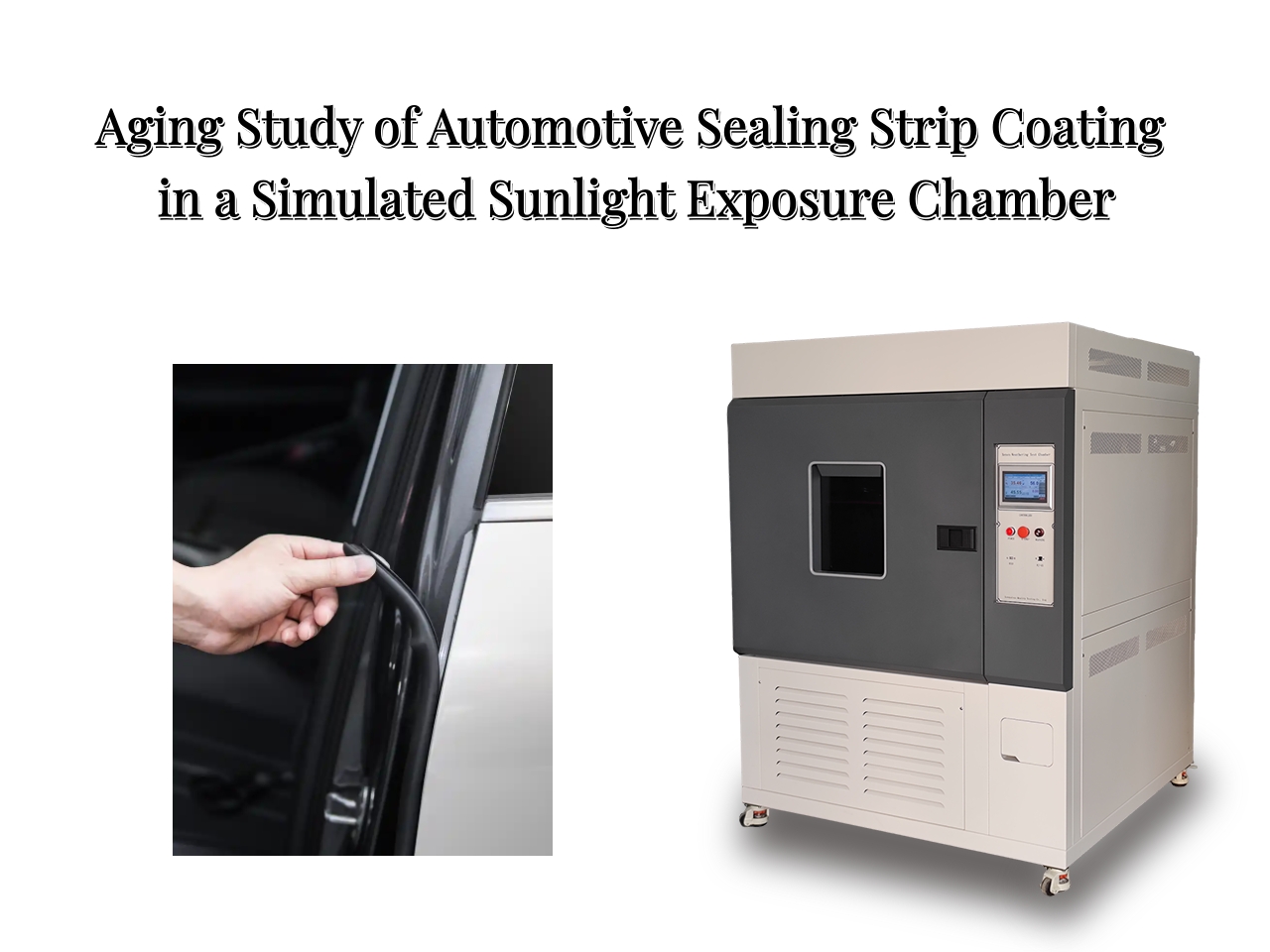
A xenon arc aging test chamber is a testing device that simulates full-spectrum sunlight and outdoor climate conditions. It is primarily used to evaluate material lightfastness, weather resistance, and resistance to humidity and heat aging. Comprised of a xenon arc lamp, a filtration system, and a temperature and humidity control module, it precisely adjusts light intensity (290-800nm), temperature (RT+10°C to 120°C), humidity (20%-98%RH), and spray parameters, supporting accelerated aging testing of materials such as coatings, plastics, and textiles.
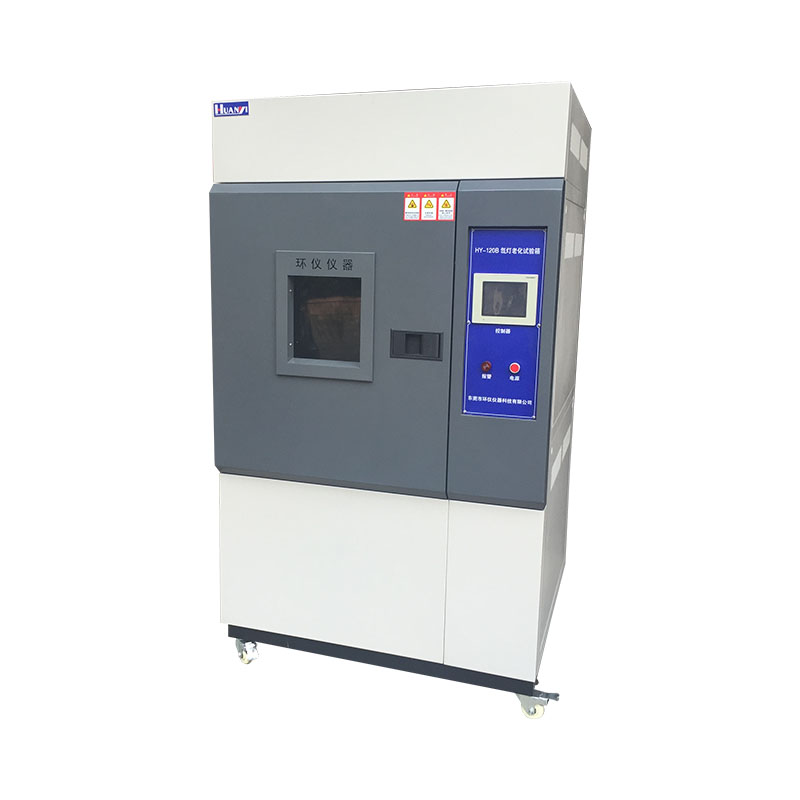
The chamber features a stainless steel interior and steel exterior, equipped with imported xenon lamps, a compressor, and a microcomputer control system. It offers air- and water-cooling options, with chamber sizes ranging from 50×76×50cm to 95×95×85cm. Through cycles of light, condensation, and rain, it can simulate the effects of outdoor aging over a period of weeks, often spanning months or even years. It is widely used in product development and quality assessment in the automotive, construction, and aerospace industries. Its technical specifications comply with over ten domestic and international standards, including GB/T16422.2 and ASTM G155. Some models are equipped with a rotating sample holder and closed-loop irradiance control to ensure testing uniformity.
Xenon arc lamps, which simulate the full sunlight spectrum, recreate the destructive light waves found in various environments:
1. They provide environmental simulation and accelerated testing for scientific research, product development, and quality control.
2. They can be used for selecting new materials, improving existing materials, or evaluating durability changes after composition changes.
3. They effectively simulate the changes in materials exposed to sunlight under different environmental conditions.
4. If the test sample size is small or limited, a benchtop xenon lamp is recommended, which can achieve the same effect.
Xenon arc weathering testing is an important method for screening formulations and optimizing product composition during scientific research and production, and is also a crucial component of product quality inspection. Product standards for materials such as coatings, plastics, aluminum-plastic panels, and automotive safety glass all require weathering testing. Xenon arc weathering chambers simulate the primary factors that cause material aging: sunlight and humidity. Weathering chambers can simulate the damage caused by sunlight, rain, and dew. Using a xenon lamp to simulate the effects of sunlight and condensing moisture to simulate rain and dew, the test material is subjected to a cycle of alternating light and humidity exposure at a specific temperature. This allows the material to replicate the damage experienced outdoors over months or even years in just days or weeks. Data from these accelerated aging tests can help select new materials, improve existing materials, and evaluate how formulation changes affect product durability.
How to test in a xenon arc weathering chamber:
1. Set test parameters: According to the required test specifications, set the chamber's temperature, humidity, radiation intensity, and exposure time. These parameters should be adjusted based on the product or material's requirements to ensure accurate and repeatable testing.
2. Install the sample: Place the sample or product to be tested in the chamber, ensuring it is exposed to the radiation and fully exposed to the chamber's climatic conditions. 3. Start Test: Press the Start button or start the test program, and the test chamber will begin operating, simulating the desired climate environment according to the set parameters.
4. Monitor and Record Data: During the test, monitor sample parameters such as temperature, humidity, and radiation intensity, and record data periodically as needed. This data will be used for subsequent analysis and evaluation.
5. End Test: After the test time is over, stop the test chamber and remove the sample.
6. Analysis and Evaluation: Based on the test results, analyze and evaluate the sample's durability and performance. This may include observing changes in the sample's surface, measuring changes in physical and chemical properties, and performing performance tests.
When conducting xenon arc weathering tests, please note the following:
- Select the correct test parameters, including temperature range, humidity range, radiation spectrum distribution, and exposure time, as needed.
- Ensure the safety and stability of the sample, and promptly dispose of any wastewater, exhaust gas, or other waste generated after the test.
- Follow the equipment operating manual and safety procedures to ensure the safe use of the test chamber and sample. - Regularly calibrate the test chamber's temperature, humidity, and radiation parameters to ensure test reliability and accuracy.
- Pay attention to proper use and maintenance of the test chamber to extend the equipment's life and ensure its reliability.