


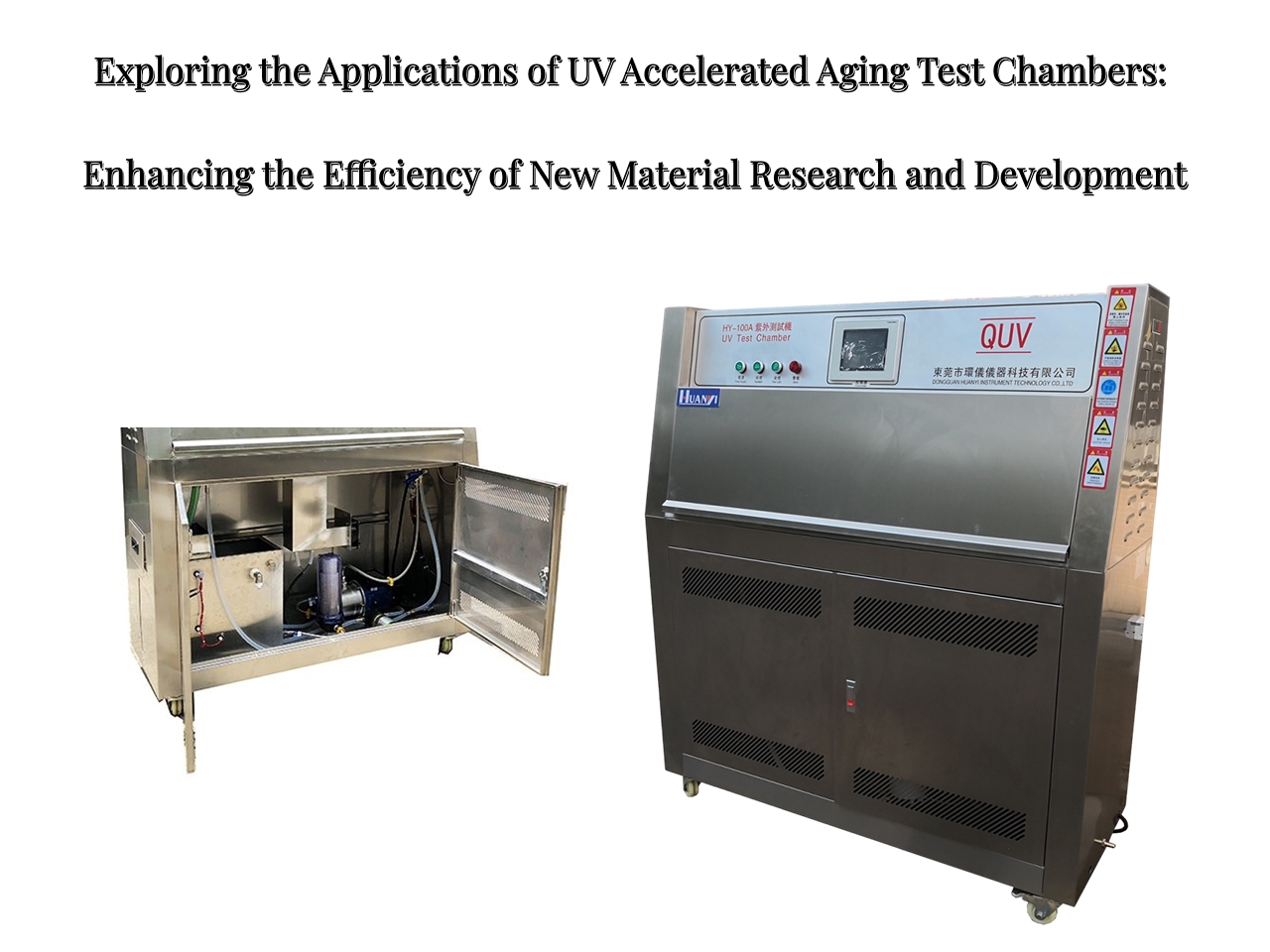
Xenon Arc Weathering Test Chamber Calibration, Maintenance, and Common Problem Troubleshooting Guide
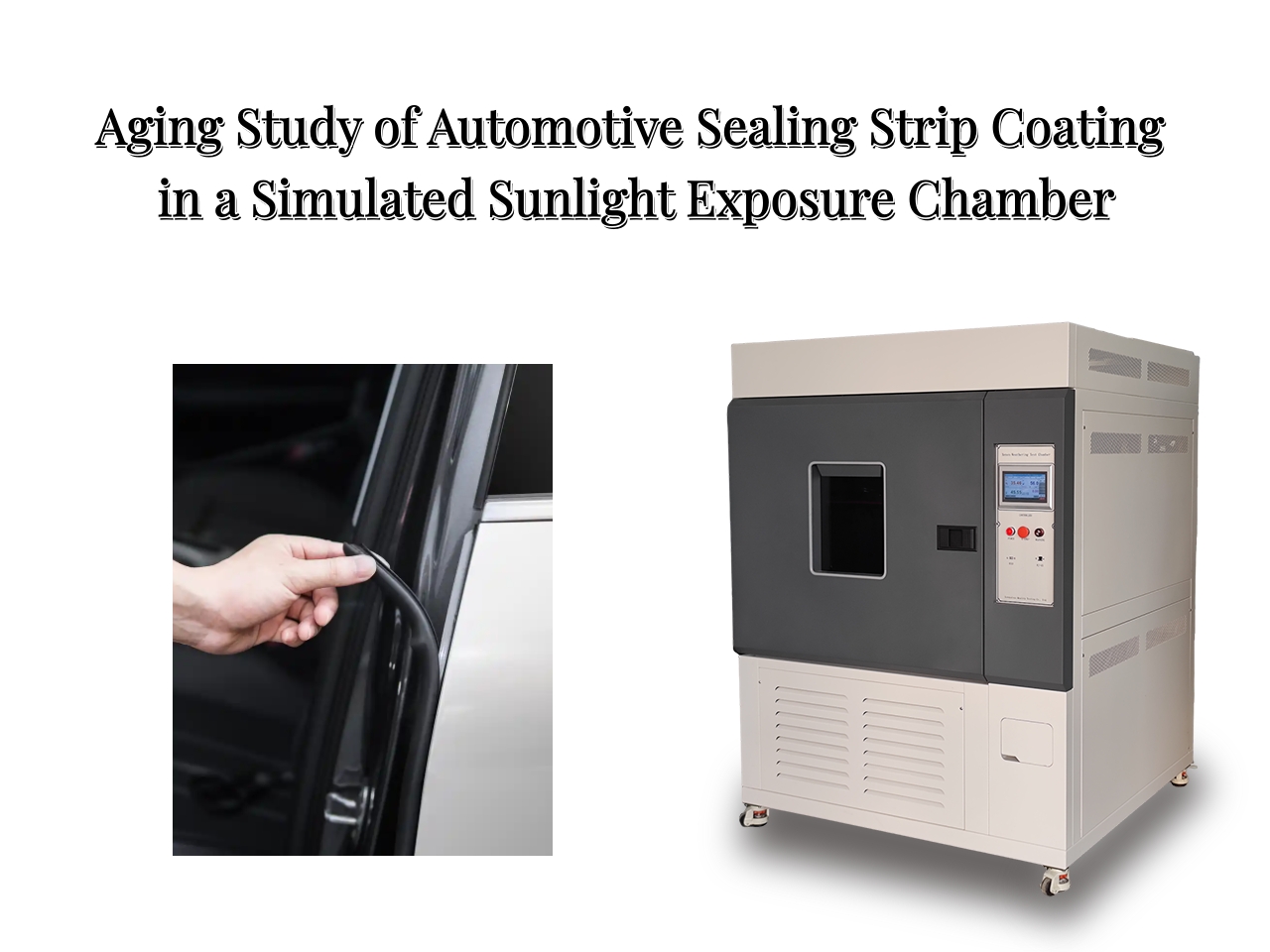
A xenon arc test chamber simulates full-spectrum sunlight and outdoor climates, primarily used to evaluate a material's lightfastness, weather resistance, and resistance to humidity and heat aging. Comprising a xenon arc lamp, a filtration system, and a temperature and humidity control module, the chamber precisely adjusts light intensity (290-800nm), temperature (RT+10°C to 120°C), humidity (20%-98%RH), and spray parameters, supporting accelerated aging testing of materials such as coatings, plastics, and textiles.
I. Calibration Specifications and Procedures
Xenon arc weathering test chamber calibration must strictly adhere to international standards (such as ISO 4892 and ASTM G155). Key parameters include irradiance, temperature, humidity, and spray uniformity.
Irradiance Calibration: Use a standard radiometer (such as a UV-340 or UV-420 probe) to evenly select 3-5 test points within the sample exposure area. Compare the instrument's displayed value with the measured value. The error should be ≤±5%. If the error is outside this tolerance, adjust the xenon lamp power or replace the filter (quartz filters are recommended to be replaced annually).
Temperature and Humidity Calibration:Use a black standard thermometer (BST) or PT100 sensor to calibrate the Chamber Temperature uniformity within ±2°C. The humidity sensor error should be ≤±3%RH. If the deviation is excessive, check the heater, circulation fan, or PID control parameters.
Spray System Calibration: Measure spray water volume and coverage uniformity to ensure compliance with ASTM D7869. Calibration is recommended every six months, and a third-party calibration agency should be commissioned to issue a systematic calibration report.
II. Maintenance Tips
Daily Cleaning: Clean the reflector and filter with anhydrous ethanol monthly to prevent dust from affecting spectral accuracy. Clean the water tank and water lines every three months to prevent scale from clogging the spray nozzles.
Consumable Replacement: The xenon lamp typically has a lifespan of 1000-2000 hours and should be replaced when the light intensity decays to 80% of its initial value. The quartz filter should be replaced annually, and the optical sensor should be calibrated every two years.
Environmental Control: The device should be placed in a well-ventilated environment free from strong electromagnetic interference. The temperature should be maintained between 5-30°C and the humidity should be ≤85% RH. The floor should be flat and provide at least 50cm of maintenance clearance.
Power Management: Use a regulated power supply (220V ±10%). Avoid frequent startup and shutdown of the compressor (at intervals of ≥15 minutes). Drain the water tank and disconnect the power supply when the device is not in use for an extended period.
III. Troubleshooting and Solutions for Common Problems
Xenon lamp failure: Check lamp life (replace if expired), power supply stability (measure input voltage with a multimeter), and ballast/trigger status. Reinstall the lamp or check wiring connections.
Unstable irradiance: Clean the reflector and filter, calibrate the optical sensor position, and install a voltage regulator to eliminate voltage fluctuations.
Temperature or humidity out of control: Check the temperature and humidity sensors for offset, test the heating element/cooling system for proper operation, clean the humidifier water circuit, and reset the PID parameters.
Sprayer malfunction: Verify the water tank is adequately filled, remove the sprinkler head, clean scale, and inspect the pump and solenoid valve for damage.
Noisy equipment: Clean and lubricate the fan bearings, tighten internal screws, and check the cooling water circulation system for unobstructed flow.