


Technical Article
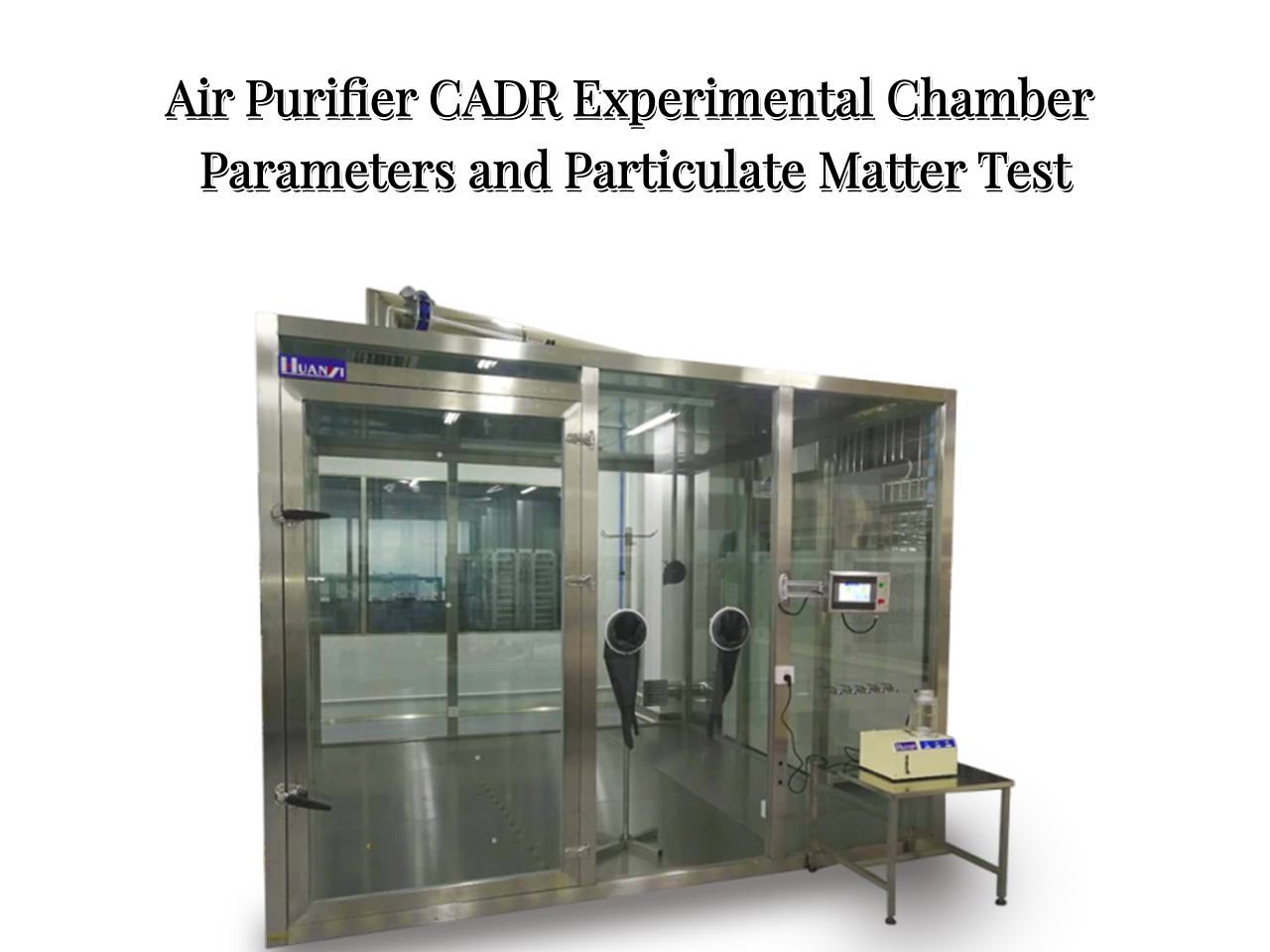
Air Purifier CADR Experimental Chamber Parameters and Particulate Matter Test
The air purifier CADR test chamber is used to test the natural decay of particulate matter. Let's see how to use the HYQW-30G model CADR test chamber to conduct particulate matter decay tests.
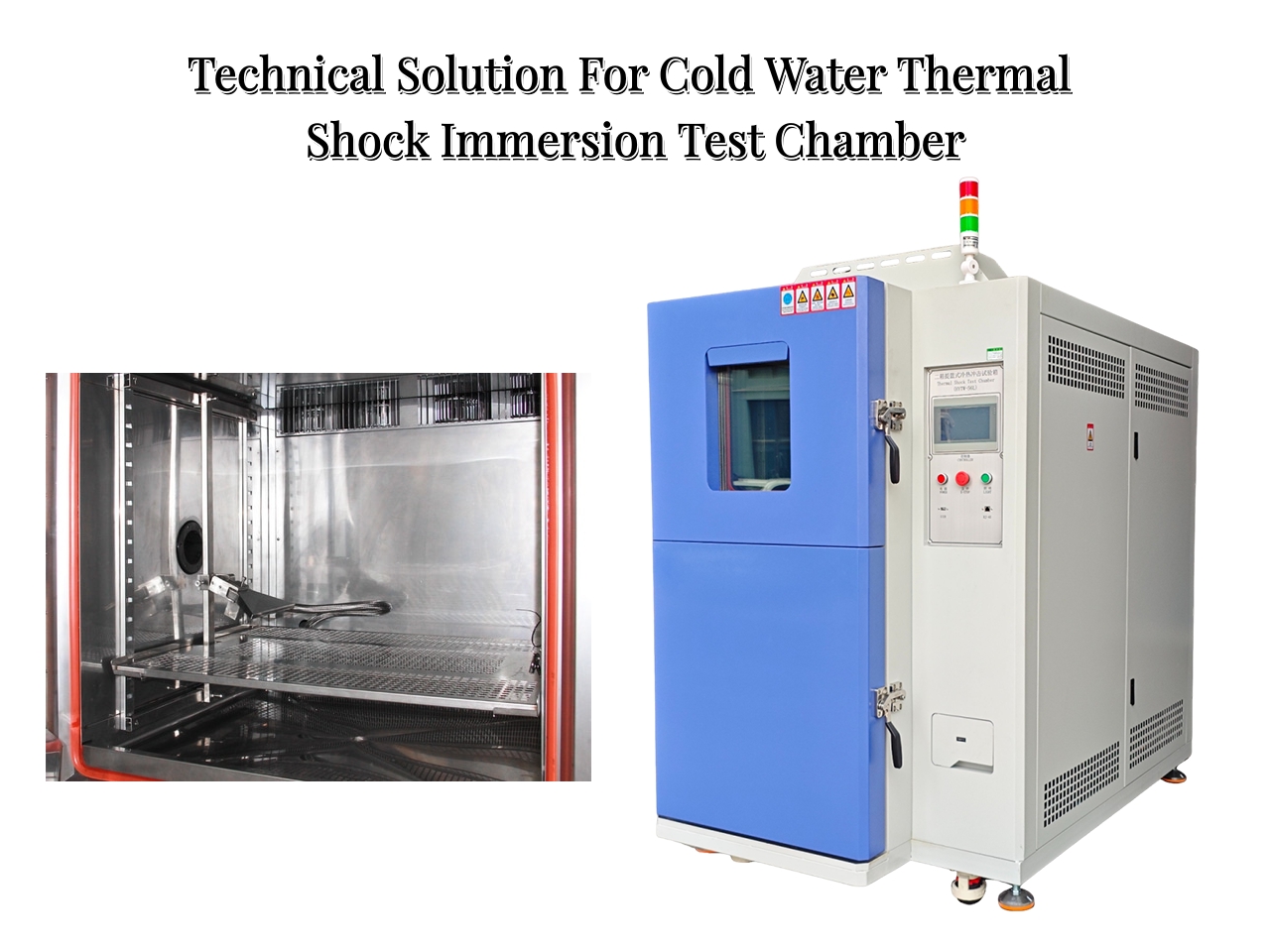
Technical Solution For Cold Water Thermal Shock Immersion Test Chamber
When driving on wet roads in winter, splashes of cold water (ice water) onto high-temperature automotive systems or components can cause thermal shock. Therefore, automotive parts need to undergo ice water shock resistance testing using a cold water thermal shock immersion tester to assess their durability in extreme environments.
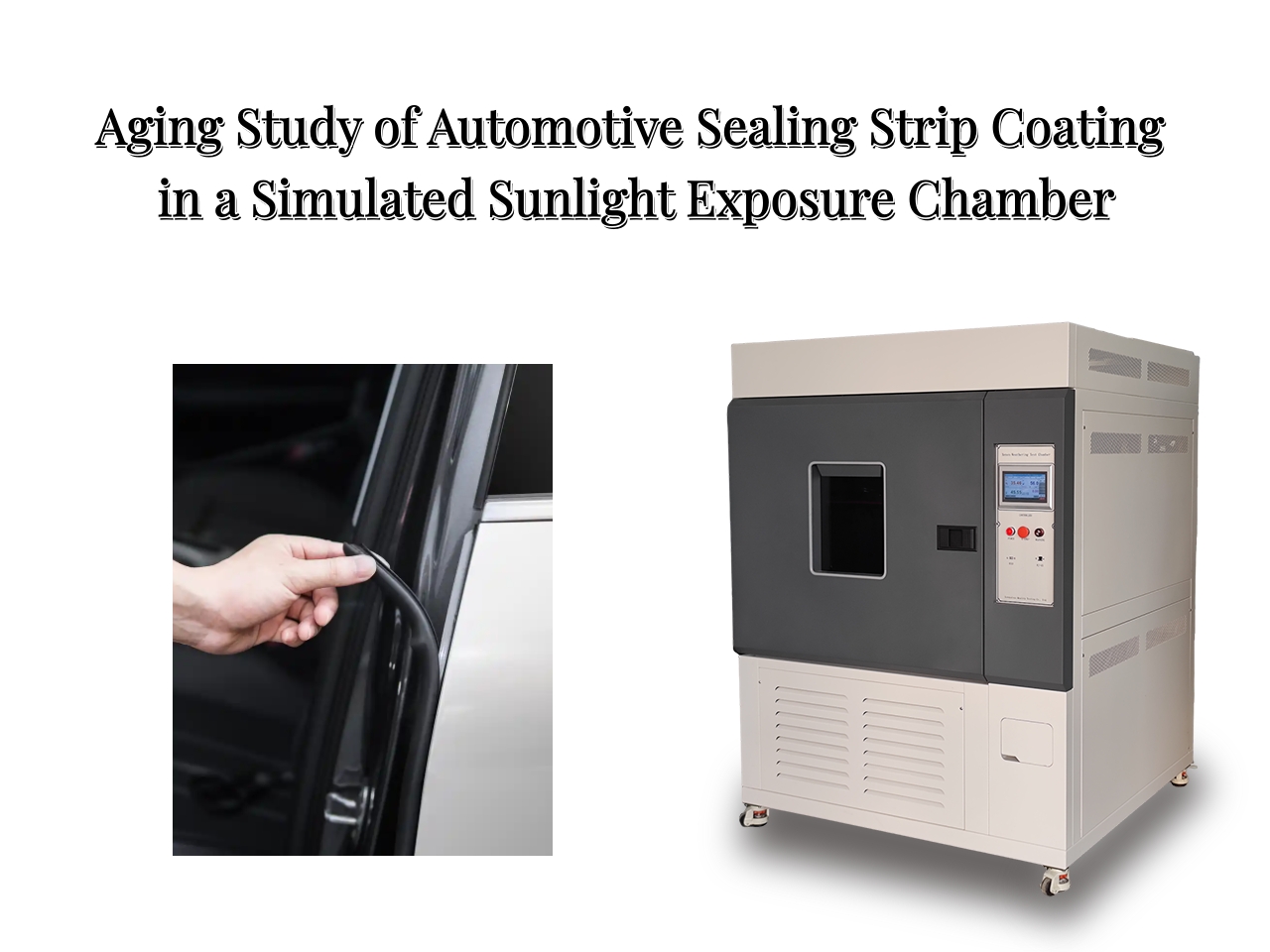
Aging Study of Automotive Sealing Strip Coating in a Simulated Sunlight Exposure Chamber
Automotive weatherstripping is a widely used rubber component in automobiles. During use or storage, it is susceptible to adverse environmental factors, especially ultraviolet radiation from sunlight, which can cause surface cracking, blooming, chalking, and color changes. To investigate the changes caused by sunlight, we designed the following test scheme for reference.
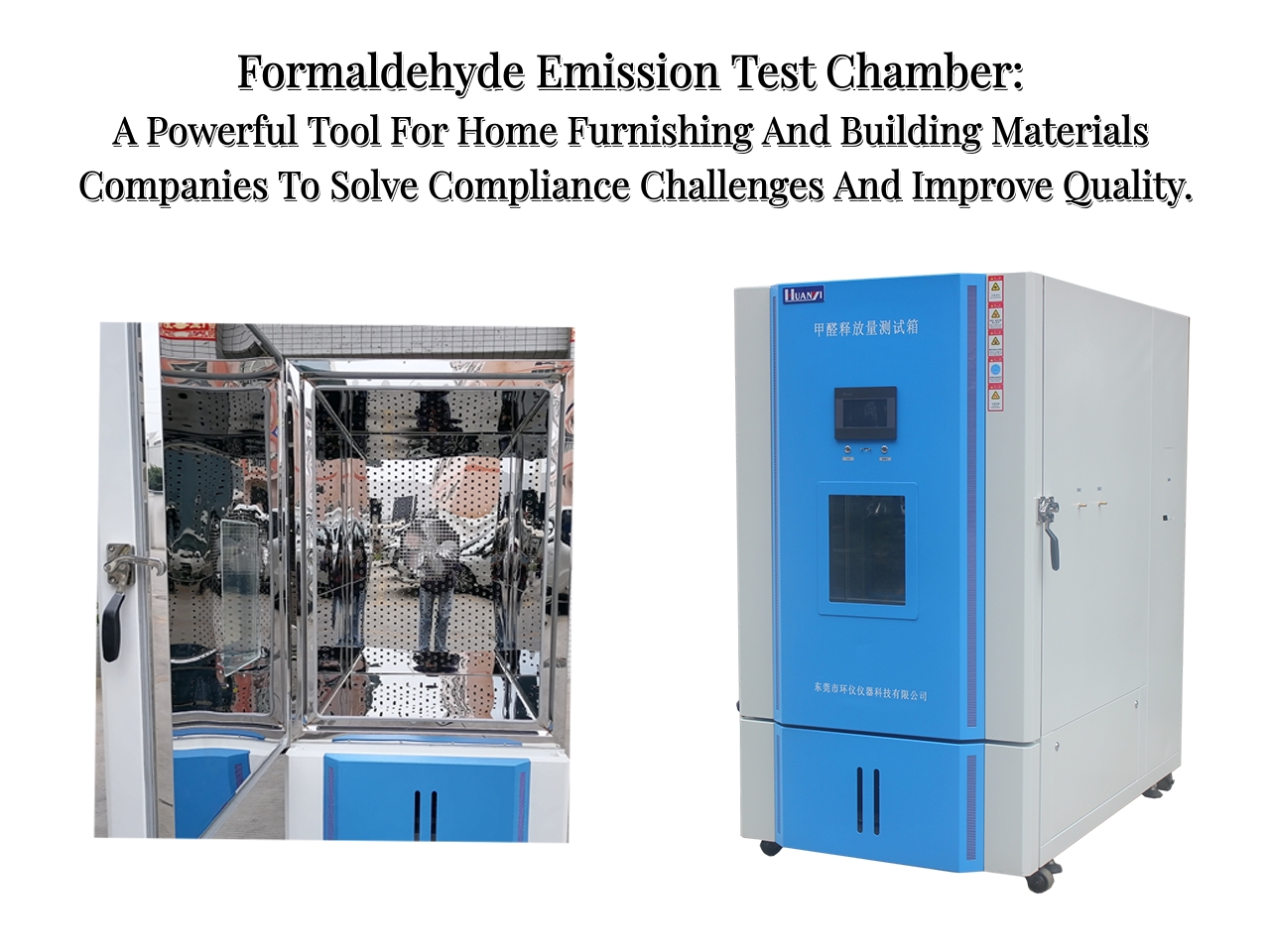
Formaldehyde Emission Test Chamber: A Powerful Tool For Home Furnishing And Building Materials Companies To Solve Compliance Challenges
In the home building materials industry, environmental protection and health have become the core lifeline of products. Among them, formaldehyde emission is a key indicator for measuring the safety of products such as boards, flooring, and furniture.
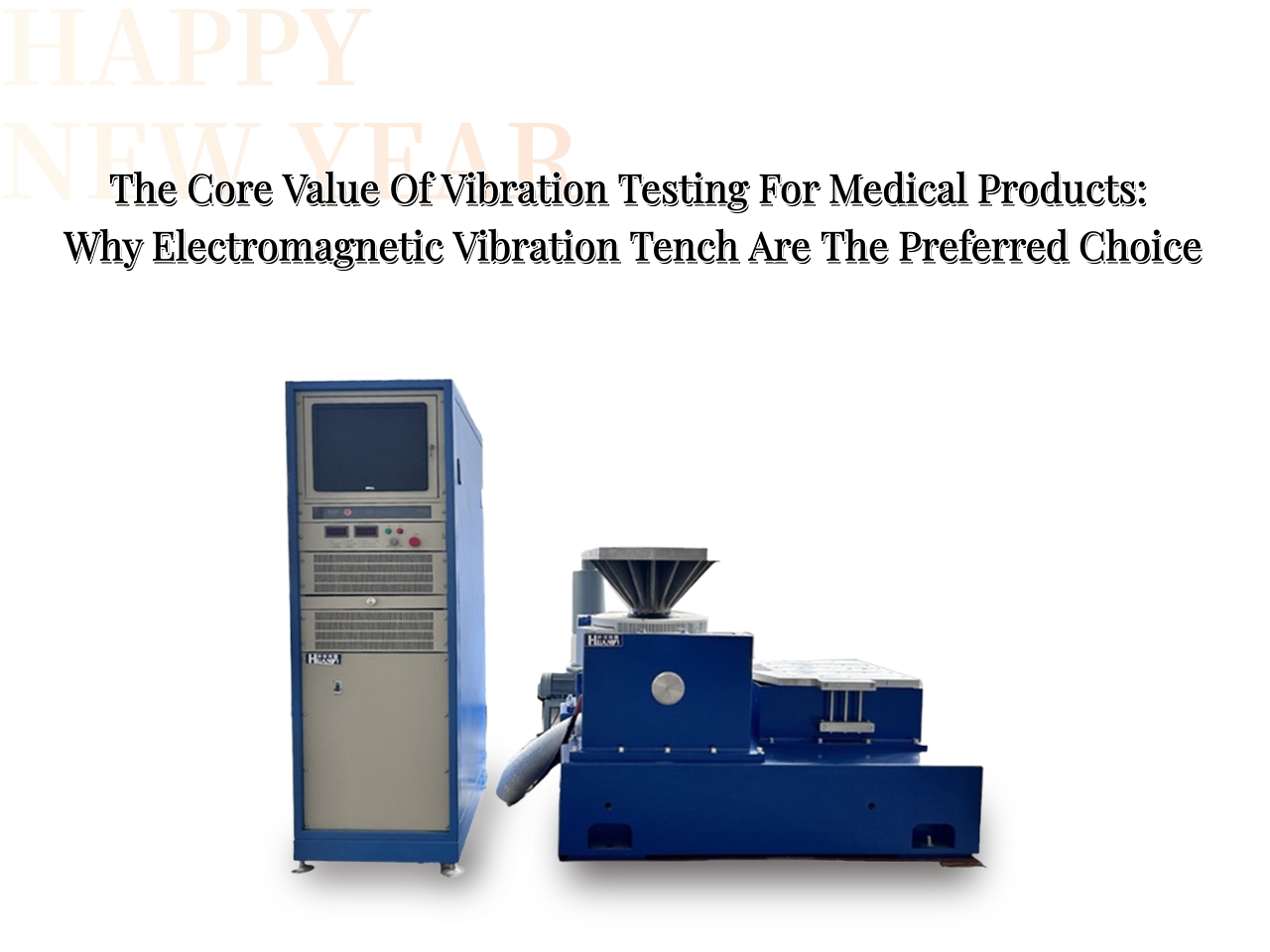
The Core Value Of Vibration Testing For Medical Products: Why Electromagnetic Vibration Tench Are The Preferred Choice
Among numerous vibration testing devices, electromagnetic vibration tables have become the mainstream choice for vibration testing in the medical industry due to their core advantages such as precise vibration control and wide applicability. This article will delve into the core benefits of vibration testing for medical products and reveal the key reasons why electromagnetic vibration tables have become the preferred equipment.
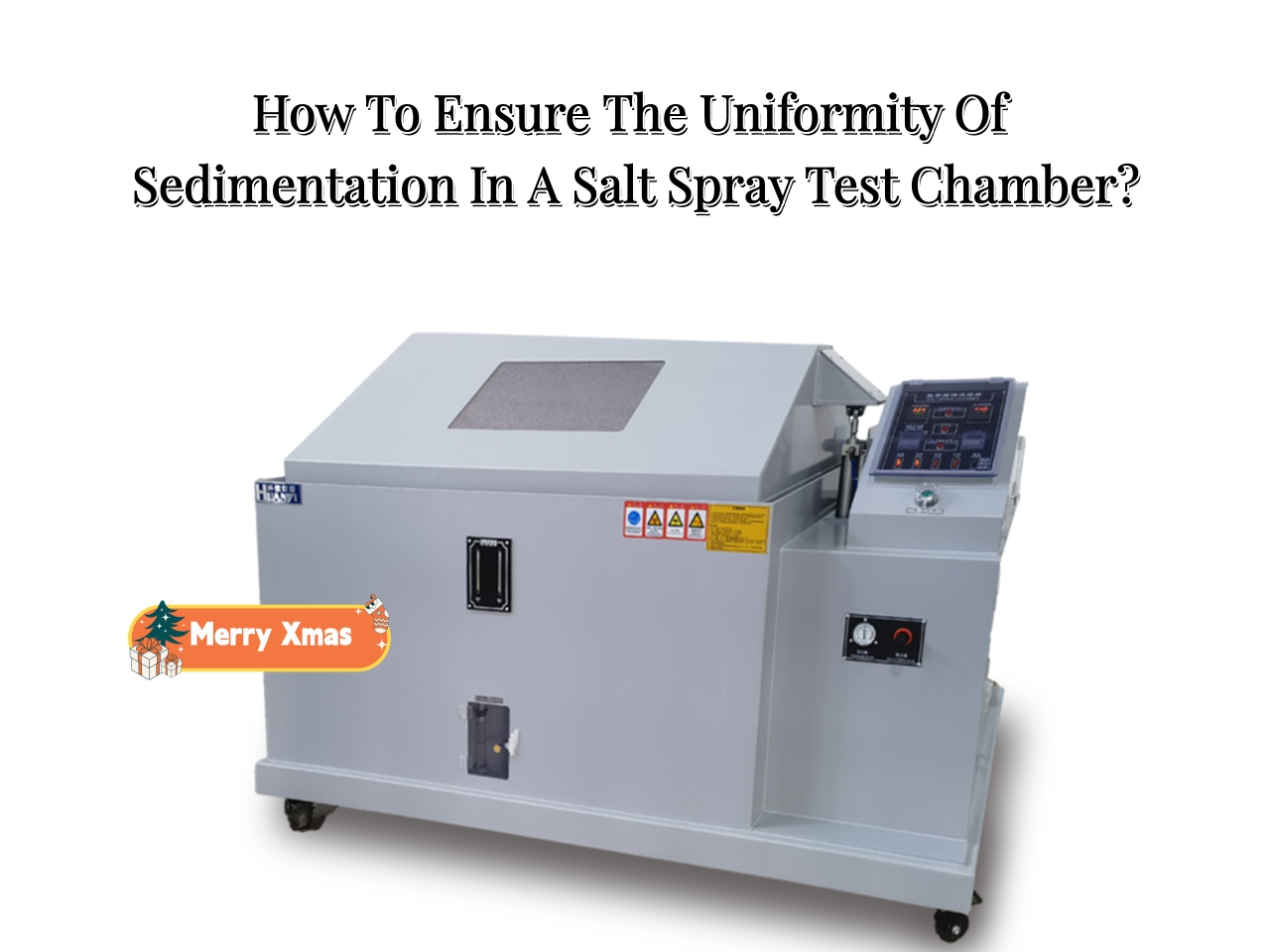
How To Ensure The Uniformity Of Sedimentation In The Salt Spray Test Chamber?
In a Salt Spray Test Chamber, the uniformity of salt spray deposition is a key factor in ensuring the reliability of test results. The salt spray test chamber ensures the uniformity of deposition through system hardware design and rigorous, standardized maintenance measures. Specific measures are detailed in this article.
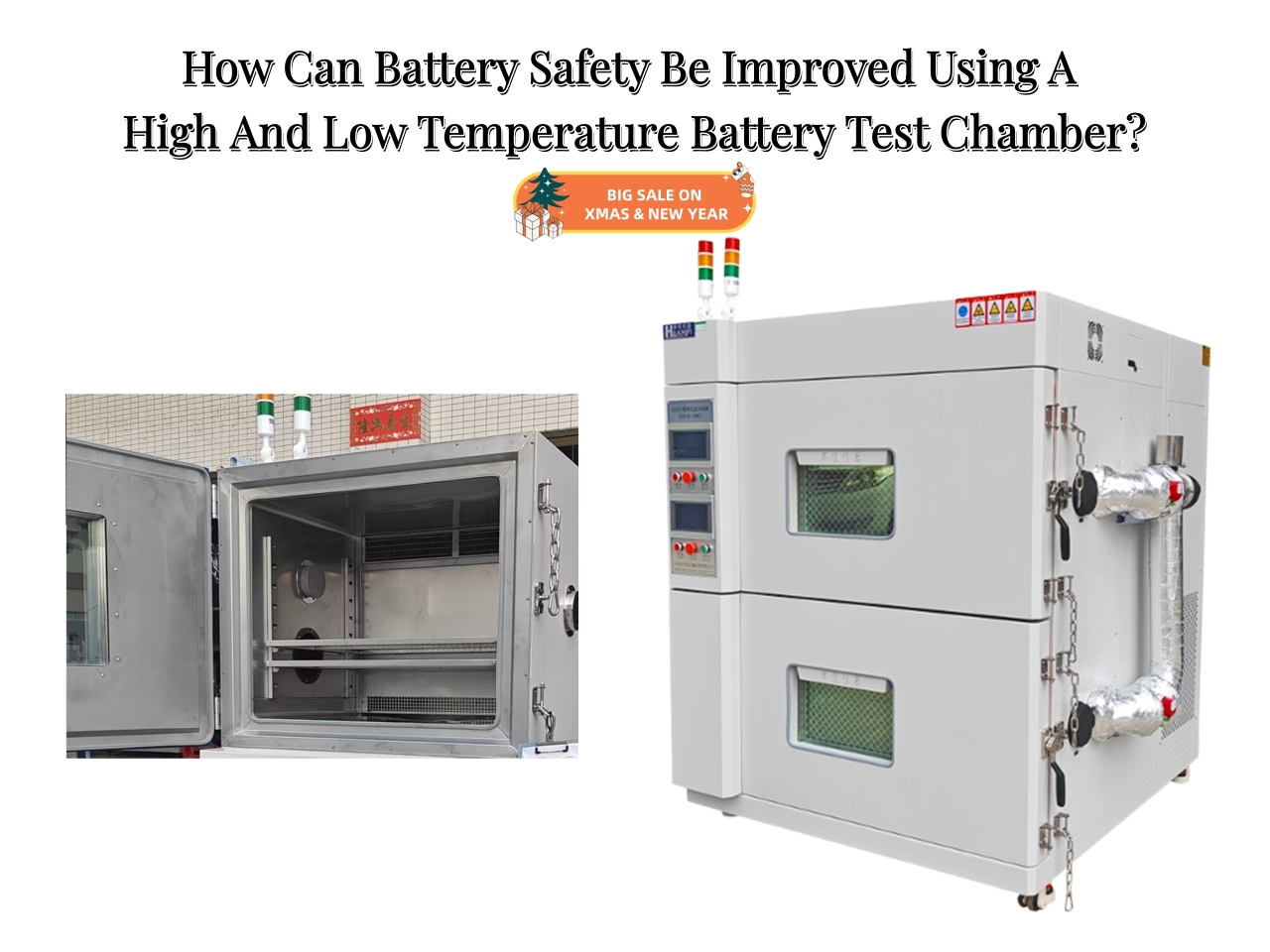
How Can Battery Safety Be Improved Using A High And Low Temperature Battery Test Chamber?
Battery high and low temperature Test Chambers, as specialized equipment for evaluating battery environmental adaptability, help reveal the performance boundaries and safety vulnerabilities of batteries under different thermal states by constructing controlled, specific temperature scenarios. So how can battery high and low temperature test chambers improve battery safety?
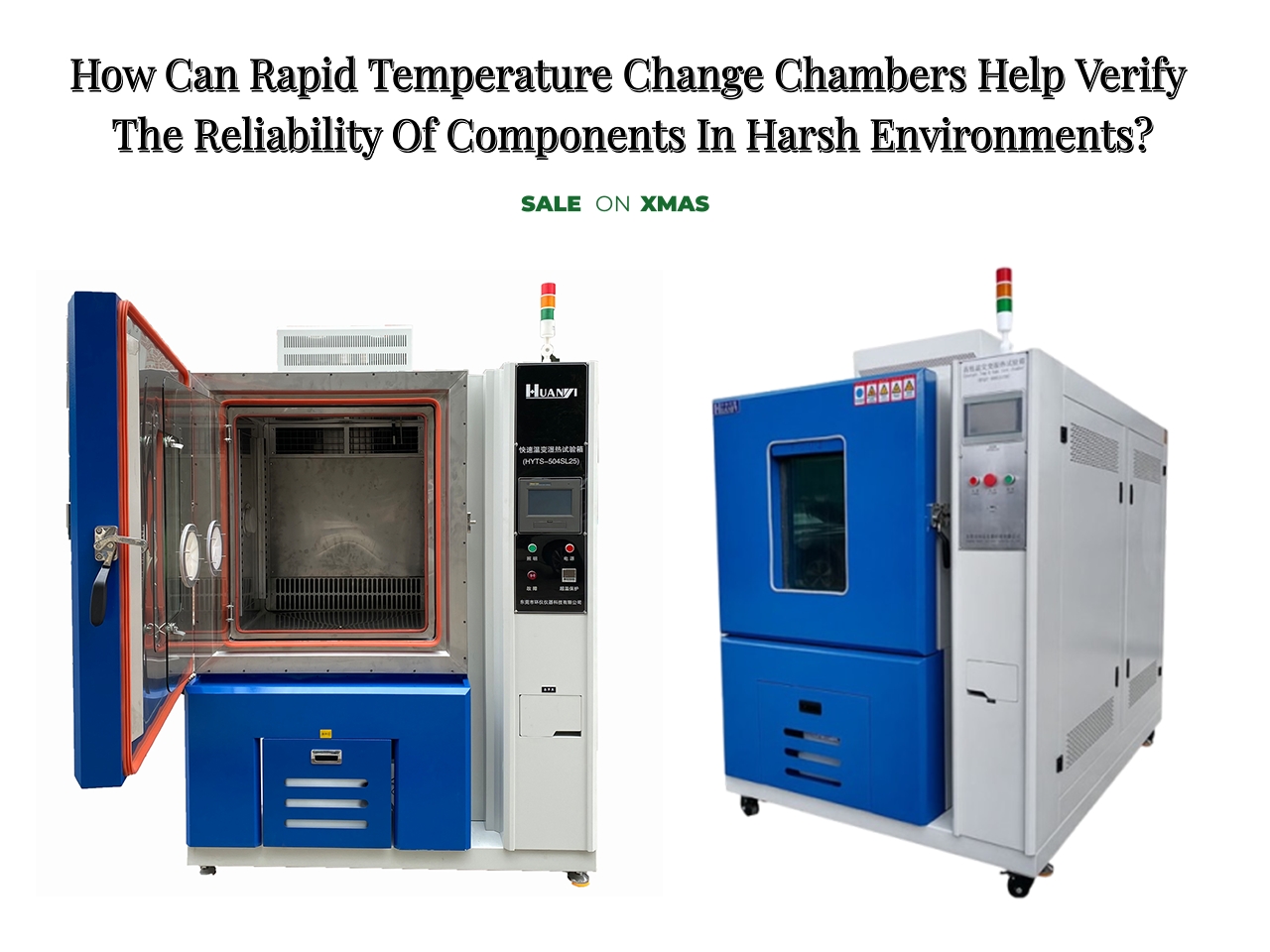
How Can Rapid Temperature Change Chambers Help Verify The Reliability Of Components In Harsh Environments?
With the rapid development of new energy industries such as new energy vehicles, energy storage systems, and photovoltaic power generation, product reliability and safety have become paramount. Core components in these fields, such as battery management systems (BMS), power chips (IGBTs), and on-board chargers (OBCs), operate in complex, variable, and even harsh environments for extended periods. Ensuring their stable and efficient operation under drastic temperature fluctuations has become a critical challenge for manufacturers.
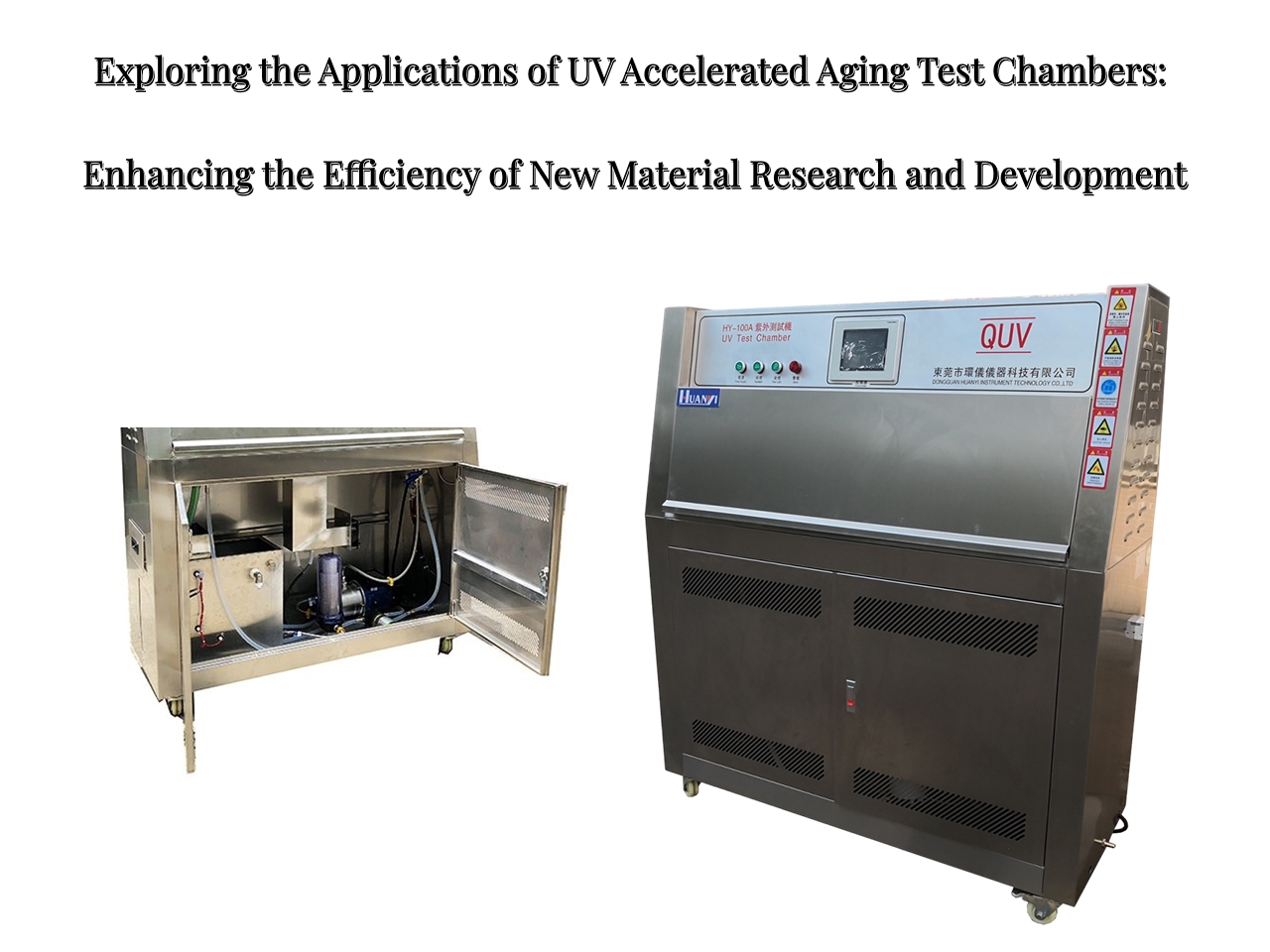
Exploring the Applications of UV Accelerated Aging Test Chambers: Enhancing the Efficiency of New Material Research and Development
In the fierce competition of new material research and development, time is of the essence. Traditional outdoor natural exposure tests often take several years, severely slowing down the research and development process. How can we quickly evaluate the weather resistance of new materials?
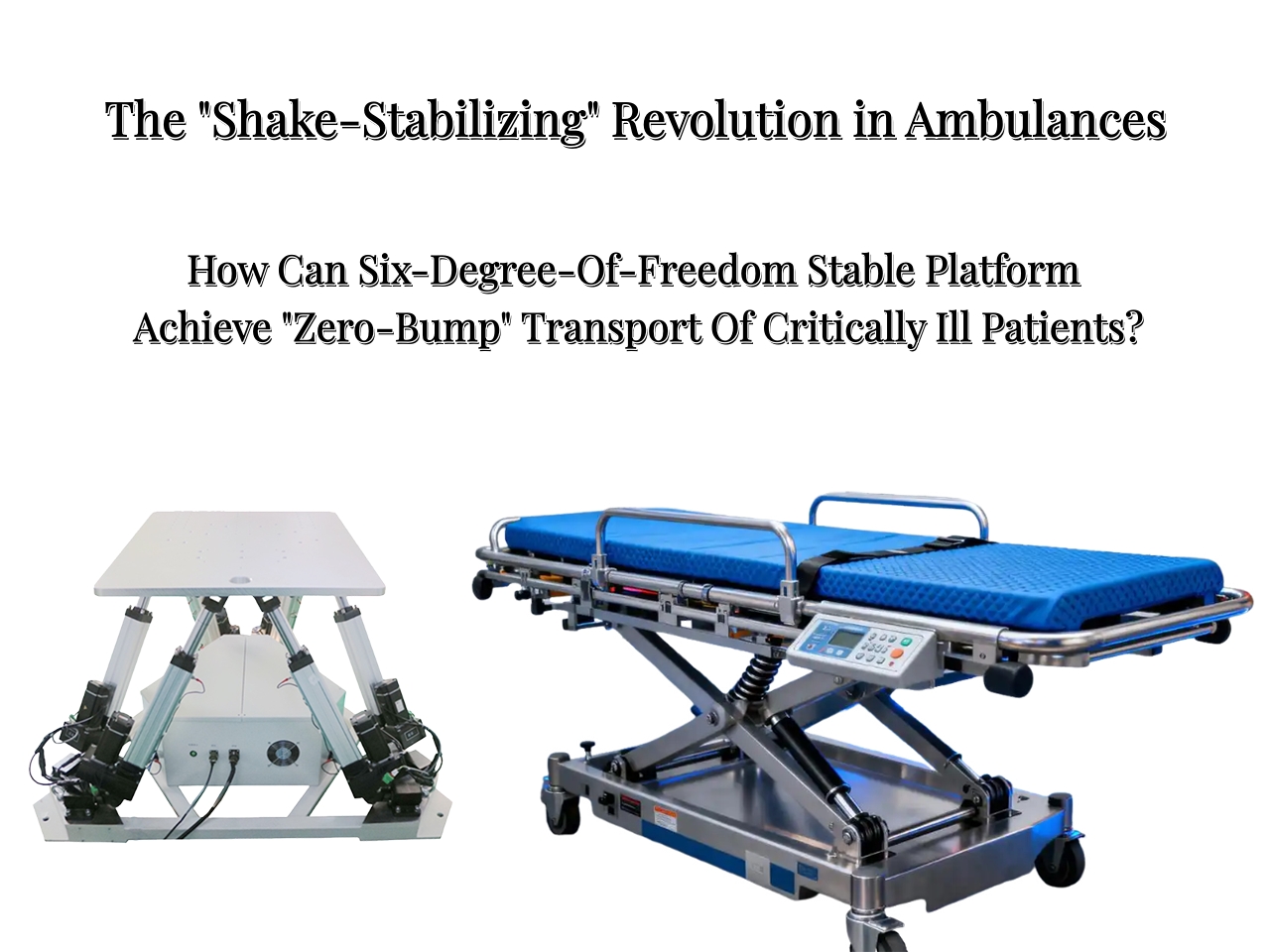
How Can Six-Degree-Of-Freedom Stable Platform Achieve "Zero-Bump" Transport Of Critically ill Patients?
Aerospace-grade six-degree-of-freedom stabilization platform transforms ambulances into mobile ICUs: it counteracts bumps in real time, precisely controls patient positioning, reduces the risk of secondary injury to critically ill patients by 70%, and allows delicate procedures such as intravenous punctures to be performed while the vehicle is in motion. This technology builds the last line of defense for life.