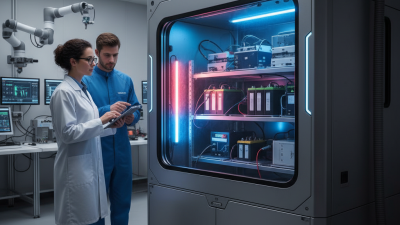
In recent years, the need for reliable materials has intensified across various industries. One of the biggest challenges is corrosion. It can compromise the integrity of structures and components. To tackle this issue, innovative solutions are emerging in corrosion testing. Among these solutions is the Corrosion Testing Chamber.
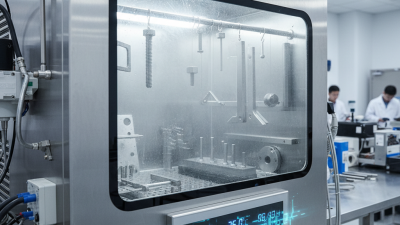
These chambers simulate real environmental conditions. They test how materials respond to corrosive agents. Recent advancements have made these chambers more efficient and precise. New technologies are enabling faster testing cycles and improved data accuracy. However, even with these innovations, some chambers face limitations. Factors such as material variability and test conditions can influence results. This requires continuous refinement and evaluation of testing methods.
Understanding these innovations is crucial for professionals in the field. The 2026 advancements in corrosion testing chambers highlight an ongoing commitment to safety and reliability. Investing in these technologies can lead to smarter decision-making in material selection and risk management. As industries continue to evolve, so will the need for adapting testing methodologies. Staying informed is not just beneficial; it is essential.
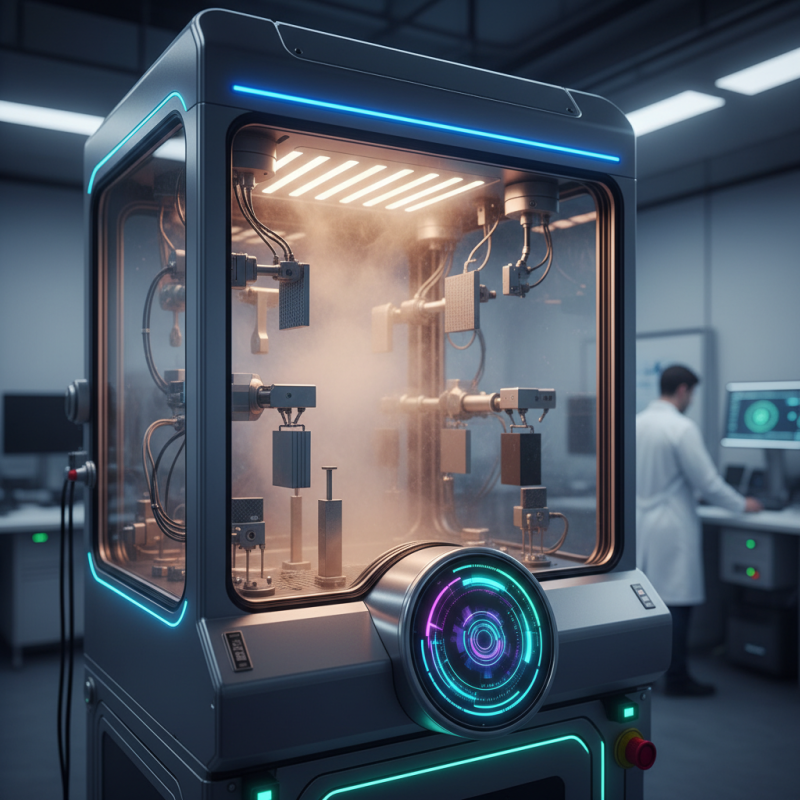
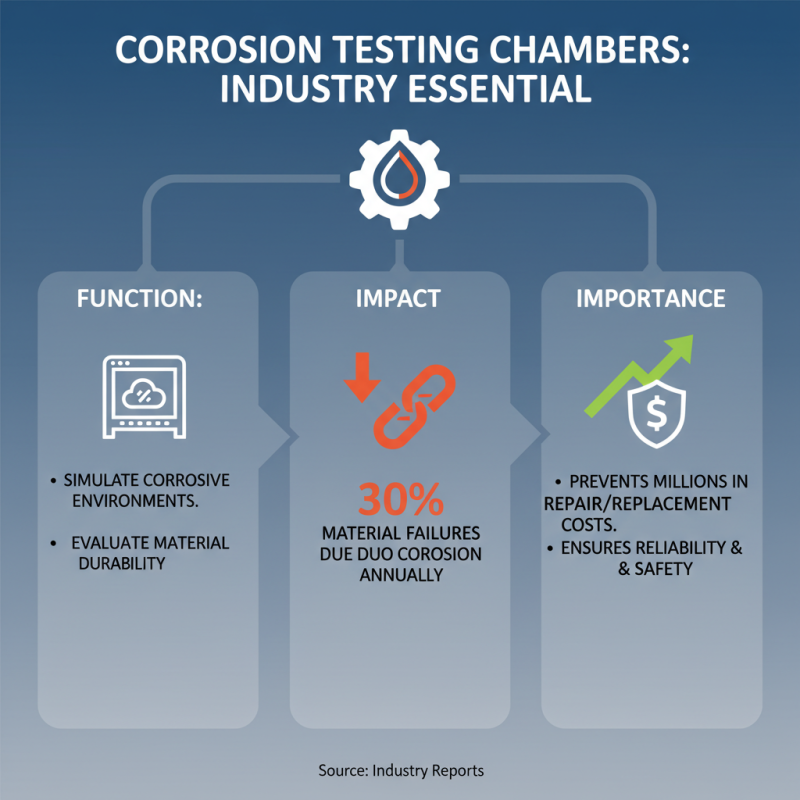
Corrosion testing chambers are critical in various industries. They simulate corrosive environments to evaluate materials' durability. According to industry reports, nearly 30% of materials fail due to corrosion-related issues. These failures lead to significant costs in repairs and replacements, sometimes exceeding millions annually.
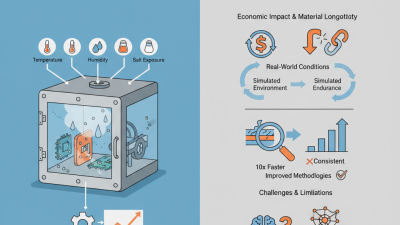
Testing chambers replicate specific conditions like humidity, temperature, and chemical exposure. This allows for comprehensive material assessments. Experiments show that over 50% of manufacturers underestimate the corrosive environments their products will face. Thus, rigorous testing is essential. Frequent failures highlight the need for enhanced innovation in chamber design and technology.
Yet, some challenges remain. Not all chambers can accurately reproduce field conditions. Many rely on standard testing protocols, which might miss unique environmental factors. This gap emphasizes the importance of advancing testing methodologies and adopting new innovations in chamber design. As industries evolve, so must the approaches to corrosion testing.
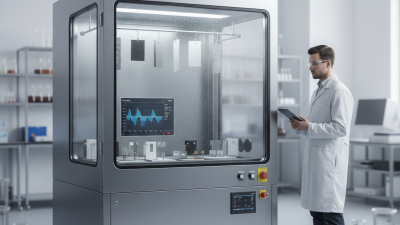
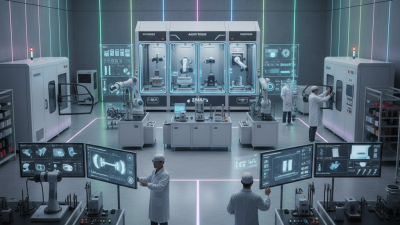
Emerging technologies in corrosion testing are reshaping how industries measure and mitigate corrosion damage. The 2026 landscape illustrates significant advancements in chamber design and functionality. These innovations enable more accurate simulations of real-world environments, allowing for better predictive analysis. Advanced sensors and AI integration enhance monitoring capabilities, providing immediate feedback and data analysis.
New materials are also emerging, improving chamber durability and performance. Coatings that resist corrosion in various environments offer exciting potential. Despite these advancements, challenges persist. Not every new technology is fully understood or reliable. Analysts stress the need for comprehensive validation to ensure accuracy in results. Without rigorous testing, the potential for misinterpretation increases, leading to costly mistakes.
Lastly, the future will see a greater push for sustainability in corrosion testing. Eco-friendly materials and energy-efficient designs are now priorities. Ongoing research aims to balance innovative solutions with environmental responsibility. While the progress is promising, it prompts reflection on the industry's need to adapt to these changes thoughtfully. Embracing new technologies comes with responsibilities.
The corrosion testing chamber market has made significant strides in recent years. Next-generation chambers are designed with advanced features that improve testing accuracy and efficiency. New technology allows for precise control of environmental conditions, which is crucial for reliable results. For instance, temperature and humidity can now be finely adjusted, ensuring that tests mimic real-world exposure scenarios. Reports indicate that companies investing in upgraded testing systems can reduce failure rates by up to 30%.
These innovations also extend to data acquisition and monitoring. Many modern chambers incorporate IoT capabilities, allowing real-time data analysis. Users can detect issues early, leading to proactive maintenance and improved product longevity. Furthermore, machine learning algorithms help predict corrosion patterns, offering invaluable insights for engineers and test operators.
Tip: Always calibrate your equipment regularly to ensure accurate readings. This small step can significantly enhance the reliability of your test results.
Another notable aspect of these testing chambers is energy efficiency. New designs consume significantly less power. Some reports show reductions of 20-40% in energy usage. However, users should be aware that not all innovations are equally effective. Keeping updated with the latest advancements is vital.
Corrosion testing is crucial for industries that deal with metal components. New innovations in
corrosion testing chambers are transforming how organizations assess
material durability. Advanced technologies allow for more
accurate simulations of real-world conditions. Enhanced
automation promotes efficiency in testing procedures. For example, some chambers can replicate
extreme environmental conditions like high humidity and temperature changes.
A recent case study highlighted a company that improved its materials testing process using a
new chamber. By adopting automated data collection, they reduced human error and increased
reliability. This change allowed for more precise assessments of corrosion resistance. The
real-time monitoring features provided insights into corrosion rates, leading to better
material choices.
Tip: Regularly calibrate equipment to ensure accurate
readings. Proper maintenance prolongs the lifespan of your testing chambers.
Improving corrosion testing methods continues to be a challenge. Organizations face the risk of
overlooking critical factors. In some cases, relying on outdated testing methods can lead to
false confidence in material integrity. Continuous innovation is
essential for adapting to new materials and environmental challenges.
Tip: Stay updated on the latest research and
technologies in corrosion testing. Attend workshops and collaborate with experts in the field.
This keeps your knowledge current.
As we look toward the future of corrosion testing technologies beyond 2026, several trends are emerging. Advanced materials are being developed to enhance resistance against corrosion. Researchers are exploring eco-friendly solutions that lessen environmental impact. These innovations may involve bio-based materials or nanotechnology to improve protective coatings.
Data analytics and artificial intelligence are playing a role in corrosion testing. Predictive algorithms can identify patterns and potential failures before they occur. This trend makes testing more efficient, but it also presents challenges. Not all data is reliable, and human oversight remains crucial.
Moreover, automation in testing processes is gaining traction. Automated systems can perform tests more consistently and accurately. However, redundancy in testing can lead to overlooked human factors. Future innovations will need to strike a balance between technology and human expertise, ensuring a thorough understanding of corrosion mechanisms.
| Innovation | Description | Expected Impact | Key Features |
|---|---|---|---|
| Modular Testing Chambers | Flexible design allowing customization for various testing standards. | Enhanced usability and cost-effectiveness in testing. | Interchangeable components, easy scalability. |
| AI-Powered Corrosion Prediction | Utilizes machine learning algorithms to predict corrosion rates. | Accurate forecasts leading to proactive maintenance. | Real-time data analysis, predictive modeling. |
| Eco-Friendly Testing Solutions | Testing chambers that utilize sustainable materials and reduce emissions. | Lower environmental impact of testing operations. | Energy-efficient designs, recyclable components. |
| Remote Monitoring Capabilities | Integrates IoT technology to monitor testing conditions remotely. | Improved accessibility and data collection. | Cloud connectivity, smartphone applications. |