10 Best Climate Chamber Models for Controlled Environmental Testing
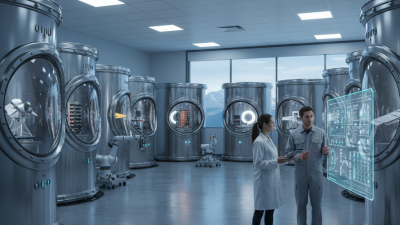
In the realm of environmental testing, Climate Chambers play a critical role. These devices create controlled environments for a variety of applications. According to the latest report by the Environmental Testing Association, the demand for Climate Chambers has surged by 25% over the past three years. This growth reflects the increasing need for precise environmental conditions in sectors such as pharmaceuticals, agriculture, and automotive testing.
Dr. Emily Kline, a leading expert in environmental testing, emphasizes the significance of these chambers. She asserts, “Climate Chambers are essential for replicating real-world conditions in a lab setting.” This expert insight sheds light on the importance of reliability in testing outcomes, as improper environmental conditions can skew results.
While many models offer a range of features, not all meet industry standards. Selecting a suitable Climate Chamber can be challenging. Factors such as temperature range, humidity control, and power consumption must be carefully evaluated. Companies must strive for continuous improvement in their testing processes, keeping in mind that even the best models require regular maintenance and calibration to ensure accuracy.

Overview of Climate Chamber Models and Their Importance
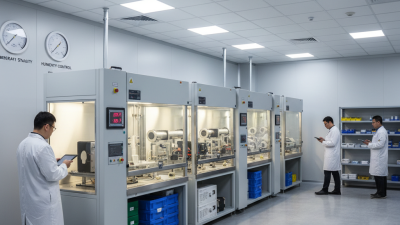
Climate chambers play a vital role in controlled environmental testing. They simulate various climate conditions. This allows researchers to observe how materials and products behave under stress. Factors like temperature, humidity, and light can be adjusted. Such precision helps in many industries, from pharmaceuticals to aerospace.
When selecting a climate chamber, consider your specific testing needs. Not all models offer the same features. Some might focus on temperature control, while others excel in humidity levels. Understanding these differences is crucial for effective experimentation. If possible, visit facilities that use climate chambers. Observing their operations gives valuable insights.
Tips: Ensure your chosen model aligns with your testing goals. Always review user manuals thoroughly for best practices. Conduct regular maintenance to keep the chamber functioning optimally. A well-maintained climate chamber ensures reliable results, which is the foundation of quality testing.
Key Features to Consider When Selecting a Climate Chamber
When selecting a climate chamber, several key features must be carefully considered. Temperature and humidity control are paramount. Data from industry analyses show that fluctuations in these parameters can lead to inaccurate test results. A quality chamber should offer precise control, ideally within ±0.5°C and ±2% relative humidity. Manufacturers often cite these metrics as essential for reliability in environmental testing.
Another crucial aspect is chamber capacity. A report from the Environmental Testing Association indicates that larger chambers can better simulate real-world conditions. However, smaller chambers may provide more consistent environments, especially for specific experiments. Users should assess the size and volume based on their testing requirements. Portability and design should not be overlooked. A chamber that is cumbersome can hinder experiments.
Additionally, energy efficiency is becoming increasingly important. Many industries are pushing for sustainability. Some climate chambers now integrate energy-saving technologies, which can significantly reduce operating costs. This aligns with global shifts towards environmental responsibility. Testing labs should weigh these factors, balancing performance with sustainability.
10 Best Climate Chamber Models for Controlled Environmental Testing - Key Features to Consider When Selecting a Climate Chamber
| Model |
Temperature Range (°C) |
Humidity Range (%) |
Size (L x W x H) cm |
Key Features |
| Model A |
-10 to 60 |
20 to 90 |
100 x 80 x 200 |
Rapid Temperature Recovery, User-friendly Interface |
| Model B |
-20 to 70 |
10 to 95 |
150 x 100 x 250 |
Energy Efficient, Low Noise Operation |
| Model C |
0 to 40 |
30 to 80 |
120 x 90 x 210 |
Advanced Monitoring System, Automated Control |
| Model D |
-10 to 50 |
20 to 100 |
140 x 85 x 220 |
High Precision Temperature Control, Easy Maintenance |
| Model E |
-20 to 60 |
15 to 90 |
160 x 95 x 240 |
Intuitive User Interface, Compact Design |
Top 10 Climate Chamber Models for Environmental Testing
When it comes to environmental testing, choosing the right climate chamber is crucial. These chambers create controlled conditions to help in the accurate testing of materials, products, and biological samples. The climate chamber you select can significantly impact the validity of your tests. Factors such as temperature range, humidity control, and airflow are essential for achieving reliable results.
Several models stand out in the industry, noted for their precision and durability. Many users appreciate chambers with user-friendly interfaces. However, some models may lack advanced features, which could limit their flexibility. Others might have excellent temperature accuracy but struggle with maintaining consistent humidity levels. It’s important to identify your specific testing requirements before making a decision.
While selecting a model, consider the size and capacity that will meet your needs. Some chambers offer compact designs, making them suitable for limited spaces. Yet, these smaller units often sacrifice some performance capabilities. Larger models may provide more features, but their footprint can be a concern. Balancing these aspects is key to making an informed choice for effective environmental testing.
10 Best Climate Chamber Models for Controlled Environmental Testing
This bar chart displays the temperature range (in °C) of the top 10 climate chamber models used for controlled environmental testing. Each model is characterized by its temperature capabilities, providing a quick visual comparison of their specifications.
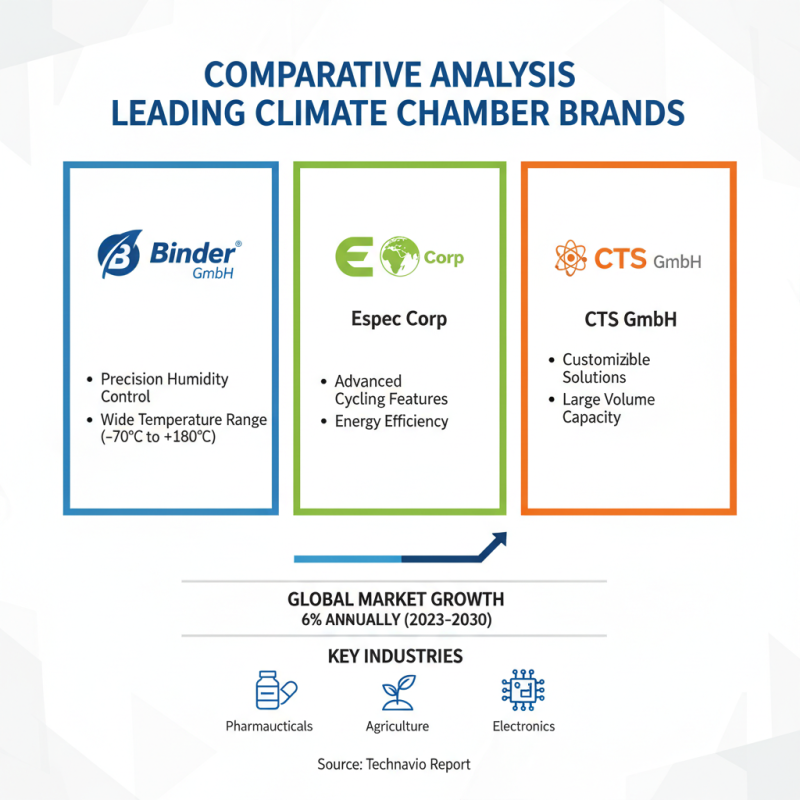
Comparative Analysis of Leading Climate Chamber Brands
When analyzing leading climate chamber models, several factors stand out across various brands. Climate chambers serve industries like pharmaceuticals, agriculture, and electronics, ensuring products endure extreme conditions. A report by Technavio revealed that the global climate chamber market is projected to grow by 6% annually, driven by technological advancements and the need for reliable testing.
In terms of temperature control, accuracy is paramount. Most high-end models achieve ±0.5°C tolerance. Humidity control, another critical factor, should range from 10% to 98% relative humidity. However, not all models provide the same reliability. Some may struggle to maintain consistent humidity levels, even causing skewed test results.
Tips: Always consider energy efficiency. Some chambers become energy guzzlers, raising operational costs significantly. Regular maintenance can improve longevity and accuracy. Opt for models with user-friendly software for easy monitoring. Investing in advanced features may seem costly, but it often pays off in accuracy and reliability.
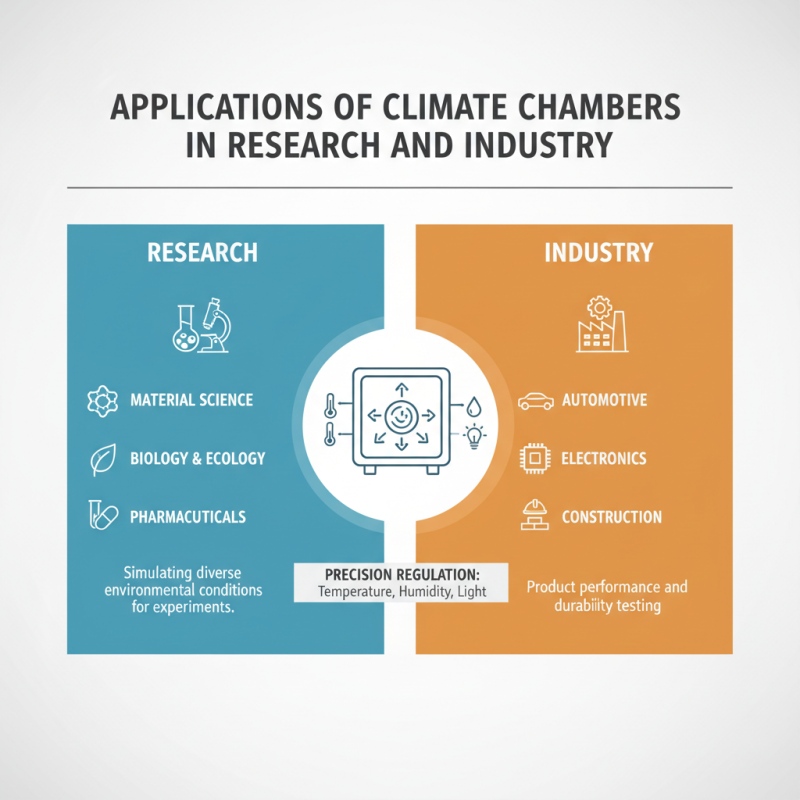
Applications of Climate Chambers in Research and Industry
Climate chambers serve critical roles in both research and industry. These controlled environments allow scientists and engineers to simulate various environmental conditions. Changes in temperature, humidity, and light can be precisely regulated. This makes climate chambers essential for testing how materials or products perform under specific conditions.
In the agricultural sector, climate chambers help researchers study plant growth. They can simulate different weather patterns and optimize conditions for crop production. Similarly, in pharmaceuticals, these chambers test how products react to temperature changes. Results determine storage conditions for medicines and vaccines.
Remember to monitor calibration regularly. Accurate conditions are vital for valid results. Regular maintenance keeps the chambers functioning effectively. Also, document all findings consistently. This builds a reliable dataset for future references. Consider assessing previous experiments for strengths and weaknesses. Improvement often emerges from reflection.