China Top Double-Wing Drop Tester Technology and Applications Explained?
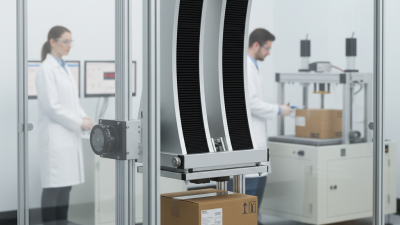
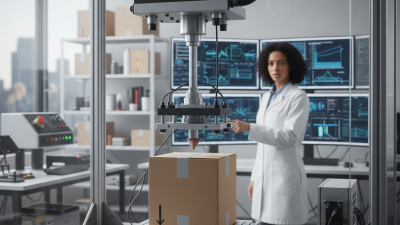
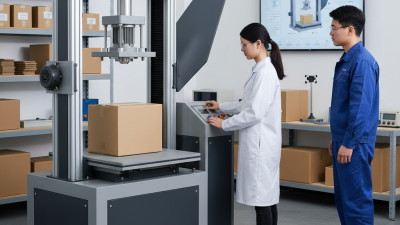
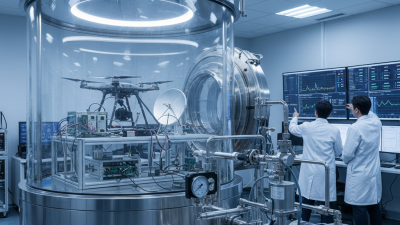
The Double-Wing Drop Tester is a crucial piece of equipment in quality assurance. It simulates drop impacts during transportation, ensuring product durability. Understanding its technology and applications is essential for manufacturers, especially in the fast-paced consumer market.
In industries such as electronics and packaging, the Double-Wing Drop Tester plays a vital role. While it tests the resilience of products, there are limitations. The results may not always reflect real-world scenarios. Products can behave unpredictably when dropped, making it critical to analyze tests carefully.
AI technology enhances testing processes by integrating advanced data analysis. As seen in applications like the Canton Fair, AI can streamline supplier selection efficiently. However, over-reliance on technology may overlook nuanced human judgments. The balance between machine and human insight is essential for optimal outcomes in product testing.
Overview of Double-Wing Drop Tester Technology in China
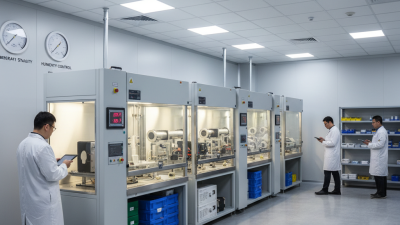
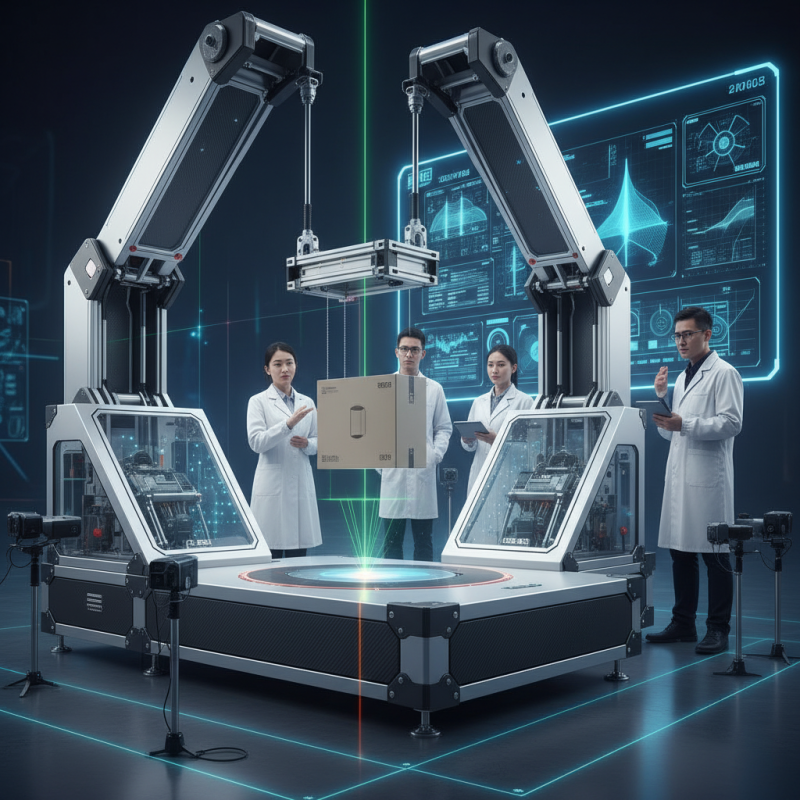
Double-wing drop testers are essential tools in quality control across various industries in China. These devices assess the durability of packaging by simulating real-world drop scenarios. In 2022, the packaging testing market in China reported a growth rate of around 8.5%. This indicates a rising demand for reliable testing methods, particularly in the electronics and consumer goods sectors.
The technology behind double-wing drop testers involves precise drop mechanisms and real-time data collection. Studies show that approximately 70% of product damage occurs during transit, underscoring the importance of effective testing. These testers help manufacturers identify weaknesses in packaging designs. However, the technology is not flawless. Some models lack sensitivity to different weight distributions, leading to inaccurate results. Continuous innovation is necessary.
In practical applications, these testers have limitations. They often simulate only a handful of drop angles and surfaces. This can leave gaps in real-world testing scenarios. Consequently, companies must combine double-wing drop testing with other evaluation methods. Balancing various testing approaches is crucial for enhanced product safety and integrity. The journey toward optimal packaging solutions is ongoing, with room for improvement and adaptation.
Overview of Double-Wing Drop Tester Technology in China
This chart illustrates the application performance of Double-Wing Drop Testers across various industries in China. The data represents the number of units sold in key sectors, showcasing the growth in demand for this technology.
Advantages of Utilizing Double-Wing Drop Testers for Quality Control
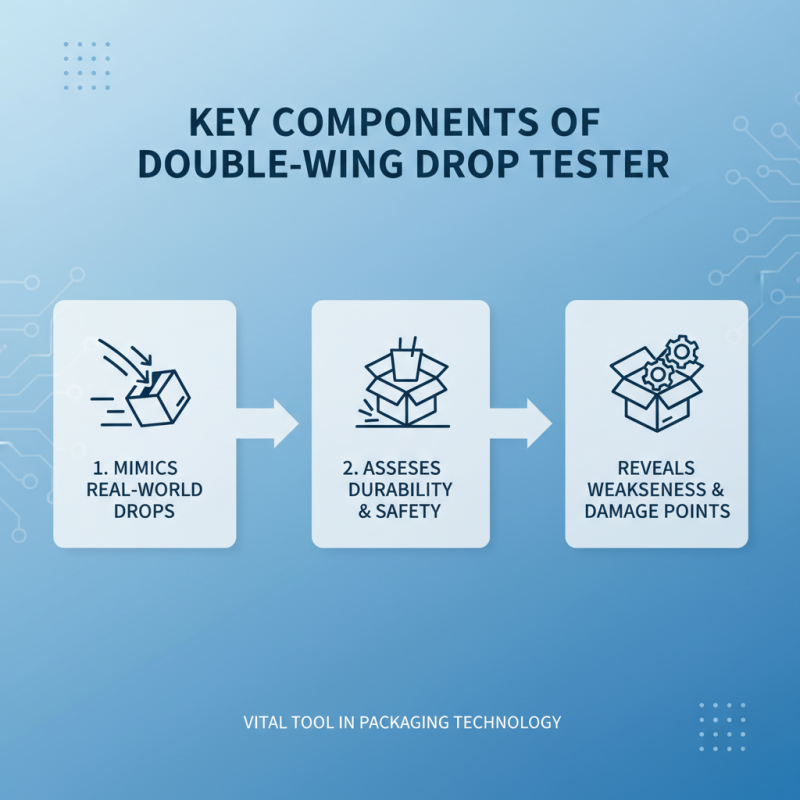
Double-wing drop testers provide significant advantages in quality control. They simulate real-world impact conditions, assessing packaging durability. This ensures products withstand the rigors of transportation and handling. The testing method reveals the weaknesses of various materials. Sometimes, even minor flaws can lead to failure.
Using double-wing testers allows for precise measurements. They can simulate different heights and angles of impact. This flexibility is crucial for accurate testing. However, not all products respond the same way. Some may need adjustments during testing. It’s essential to remain attentive to these nuances.
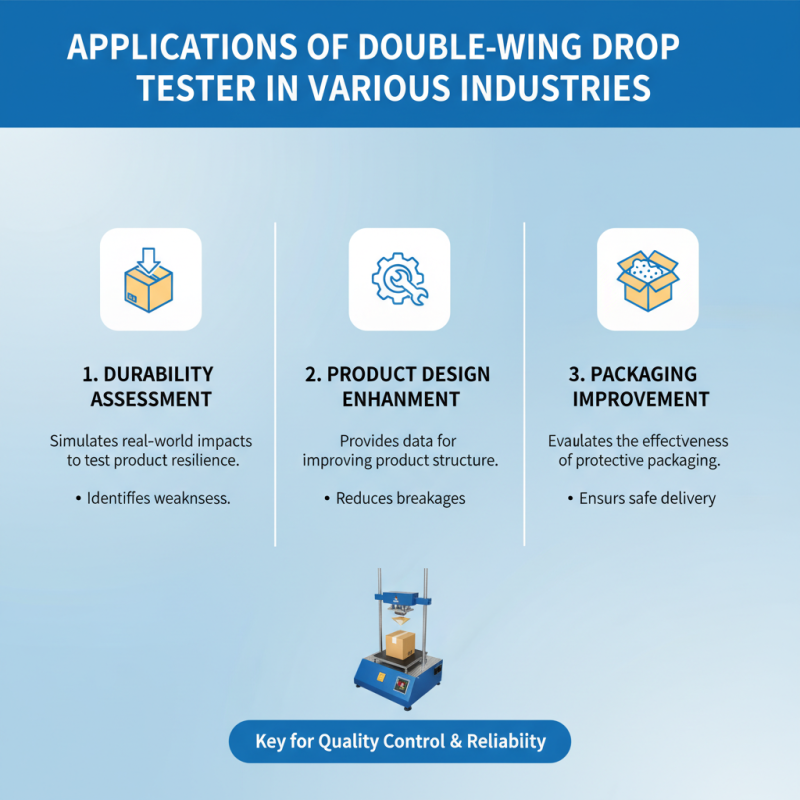
The detailed data generated helps in making informed decisions. Manufacturers can refine their packaging designs or materials based on test outcomes. Such changes can lead to significant cost savings. Still, the process requires continual learning and adaptation. Innovation in materials and techniques can improve results over time. Recognizing areas for improvement is vital in maintaining quality.
China Top Double-Wing Drop Tester Technology and Applications Explained? - Advantages of Utilizing Double-Wing Drop Testers for Quality Control
| Application |
Material |
Weight (kg) |
Drop Height (m) |
Test Results (Pass/Fail) |
| Electronics Packaging |
Plastic |
1.5 |
1.2 |
Pass |
| Consumer Goods |
Cardboard |
2.0 |
1.5 |
Fail |
| Automotive Components |
Metal |
3.5 |
2.0 |
Pass |
| Furniture |
Wood |
5.0 |
1.0 |
Pass |
| Medical Devices |
Plastic |
0.8 |
1.5 |
Pass |
Future Trends and Innovations in Drop Testing Technology
The future of drop testing technology is evolving rapidly. Innovations are shaping how products are tested for durability. One emerging trend includes automation, which enhances efficiency. Automated systems minimize human error and ensure consistency in tests. This is crucial for industries where safety is paramount.
Another trend is the integration of advanced data analytics. By collecting real-time data, manufacturers can make informed decisions. This can lead to better product designs and improved material choices. However, reliance on data can be a double-edged sword. Overemphasis on statistics might overlook critical insights gained from hands-on testing.
Sustainability is also a key focus in future developments. Eco-friendly materials are being tested for their resilience. However, creating sustainable products that meet robust drop testing criteria is challenging. Finding the right balance is essential. The path forward requires careful consideration of both performance and environmental impact.