What is Altitude Test Chamber and How Does It Work?
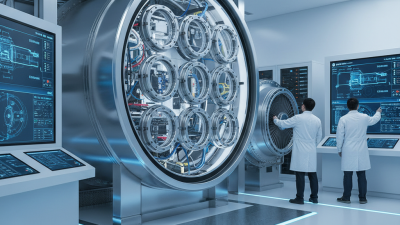
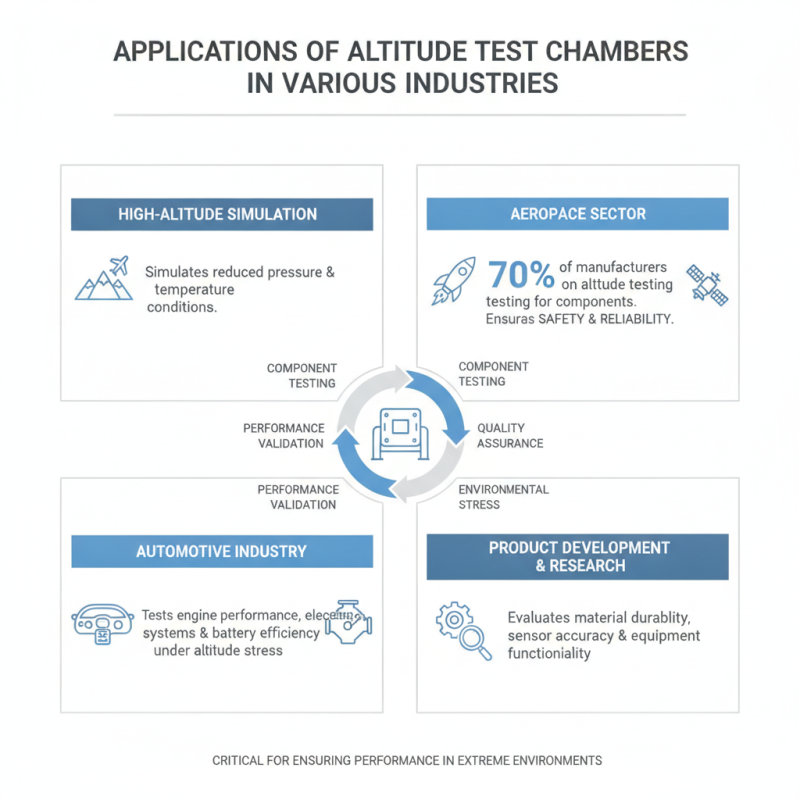
An Altitude Test Chamber is a specialized environment used for testing products under simulated high-altitude conditions. These chambers play a crucial role in various industries, including aerospace and automotive, by simulating the effects of low pressure and oxygen levels. Such tests ensure that products can withstand extreme conditions.
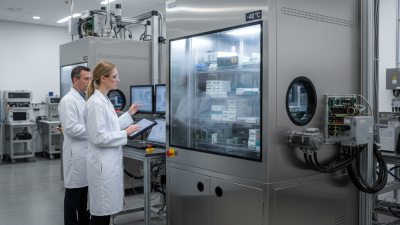
Understanding how the Altitude Test Chamber operates is vital for engineers and developers. These chambers can replicate high-altitude scenarios, enabling manufacturers to assess product performance. For instance, they can test how components behave when subjected to reduced air pressure. This knowledge is essential for safety and reliability.
However, not all methods used in these chambers are perfect. There can be discrepancies between simulated conditions and real-world scenarios. This discrepancy may lead to unexpected failures in actual deployments. Therefore, continuous refinement of testing protocols is necessary. Ultimately, the effectiveness of an Altitude Test Chamber hinges on refining techniques and understanding environmental variables.

Definition and Purpose of Altitude Test Chamber
An altitude test chamber simulates high-altitude conditions to assess how products perform under pressure. Engineers use this equipment primarily for aerospace, automotive, and electronics testing. The chamber can recreate conditions found at significant elevations. This helps manufacturers understand how their products react to low oxygen levels and reduced atmospheric pressure.
The purpose of the altitude test chamber is to evaluate performance and reliability. Devices may react differently at high altitudes. Components can fail from the stress of low pressure. The chamber provides a controlled environment to study these effects. Data gathered during testing can guide improvements in product design. Engineers must consider these factors carefully.
Testing results can be unpredictable. Some products fail when engineers expected them to succeed. This uncertainty highlights the importance of ongoing research and development. Companies must balance cost and safety in their designs. Feedback from testing informs future innovations.
Key Components of an Altitude Test Chamber
An altitude test chamber is crucial in various industries, simulating high-altitude conditions to evaluate products. Key components of these chambers include pressure control systems, temperature control units, and monitoring tools. Pressure control systems can create low-pressure environments, replicating altitudes of up to 100,000 feet. This capability allows engineers to test how materials behave under reduced atmospheric pressure.
Temperature control units are essential for regulating the chamber's internal environment. Many chambers can operate within a range of -60°C to 100°C. This versatility helps in assessing how temperature extremes impact an item’s functionality. Monitoring tools typically include sensors and data acquisition systems, which provide real-time feedback. Reports indicate that precise monitoring ensures reliability during testing.
An accurate chamber design is critical to achieve realistic results. However, improper calibration of these components can lead to misleading outcomes. Regular maintenance is necessary to uphold reliability. It's also important to note that not all products require altitude testing, but for those that do, any oversight can compromise product safety. Striking the right balance between cost and accuracy is a challenge facing manufacturers today.
What is Altitude Test Chamber and How Does It Work? - Key Components of an Altitude Test Chamber
| Component |
Description |
Function |
Material |
| Pressure Chamber |
The main enclosure for testing components at various altitudes. |
Simulates high-altitude conditions. |
Steel or aluminum. |
| Vacuum Pump |
Removes air from the chamber to create a vacuum. |
Reduces pressure to simulate high altitudes. |
Metal alloys. |
| Temperature Control Unit |
Maintains the desired temperature inside the chamber. |
Regulates thermal conditions during testing. |
Copper and insulating materials. |
| Control System |
The interface for operators to set parameters and monitor conditions. |
Facilitates test management and data logging. |
Electronic components and interfaces. |
| Safety Features |
Emergency shut-off systems and pressure relief valves. |
Protects operators and equipment during testing. |
Metal and high-strength polymers. |
Operational Principles of Altitude Test Chambers
Altitude test chambers are designed to simulate high-altitude conditions. These chambers recreate the atmospheric changes that occur as altitude increases. The reduction in air pressure and temperature is crucial for various testing processes in aerospace, automotive, and electronics industries.
The operational principles of altitude test chambers rely on controlled environments. They use vacuum pumps to lower pressure levels. Temperature control systems maintain specific thermal conditions during tests. Sensors monitor atmospheric changes in real time. This data is vital for assessing product performance under stress.
Not all tests yield perfect results. Sometimes, equipment may not perform as expected under simulated altitude. This can lead to unexpected failures. Engineers must analyze these failures to enhance designs and safety features. Continuous improvement is essential for reliability in real-world scenarios. Testing under altitude conditions remains a critical aspect of product development.
Altitude Test Chamber Pressure vs. Altitude
Standard Testing Procedures and Safety Measures
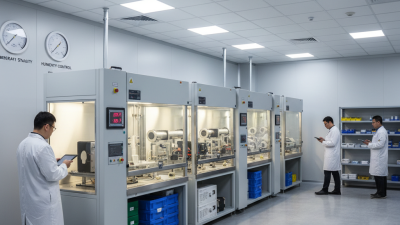
Altitude test chambers are essential for simulating high-altitude conditions in a controlled environment. These chambers can mimic atmospheric pressure and temperature variations found at different elevations. For testing procedures, standards set by organizations like ASTM and IEC establish protocols to ensure accuracy and safety.
Standard procedures often begin with pre-conditioning test samples. This process minimizes initial variations. The chamber must maintain set parameters throughout the experiment. Research indicates that around 70% of testing failures stem from improper setups. Proper calibration of equipment is vital. Regular checks can prevent common errors and enhance reliability.
Safety measures should not be overlooked. Regular maintenance checks ensure structural integrity. Operators must use personal protective equipment when necessary. Reports from industry safety boards indicate that adherence to protocols reduces risk. However, human error remains a concern. Continuous training is crucial for all personnel involved. Some organizations still underestimate the importance of safety training. This oversight can lead to incidents during testing, potentially compromising results.