China Best Drop Testing Machine Guide for Quality Assurance?
In the fast-evolving landscape of product quality assurance, the importance of a reliable Drop Testing Machine cannot be overstated. According to a recent industry report from the International Society for Testing and Materials, nearly 70% of product failures are linked to inadequate drop testing protocols. This statistic underscores the need for effective testing solutions that can assess product durability under impact conditions.
The right Drop Testing Machine can simulate real-world scenarios, ensuring that items withstand the rigors of transport and handling. With advancements in technology, many machines now offer precise control over drop heights, angles, and weights. However, not all machines are created equal. Companies must conduct thorough evaluations to choose a machine that meets their specific testing requirements.
This guide aims to provide insights into the best Drop Testing Machines available in China. It will explore key features, essential metrics, and expert recommendations to enhance quality assurance processes. Nonetheless, businesses must continuously reflect on their testing practices. Are they choosing machines that truly align with their needs? Are they regularly updating their methods to cope with new challenges? This introspection is crucial for maintaining product integrity in a competitive market.
Overview of Drop Testing Machines in Quality Assurance
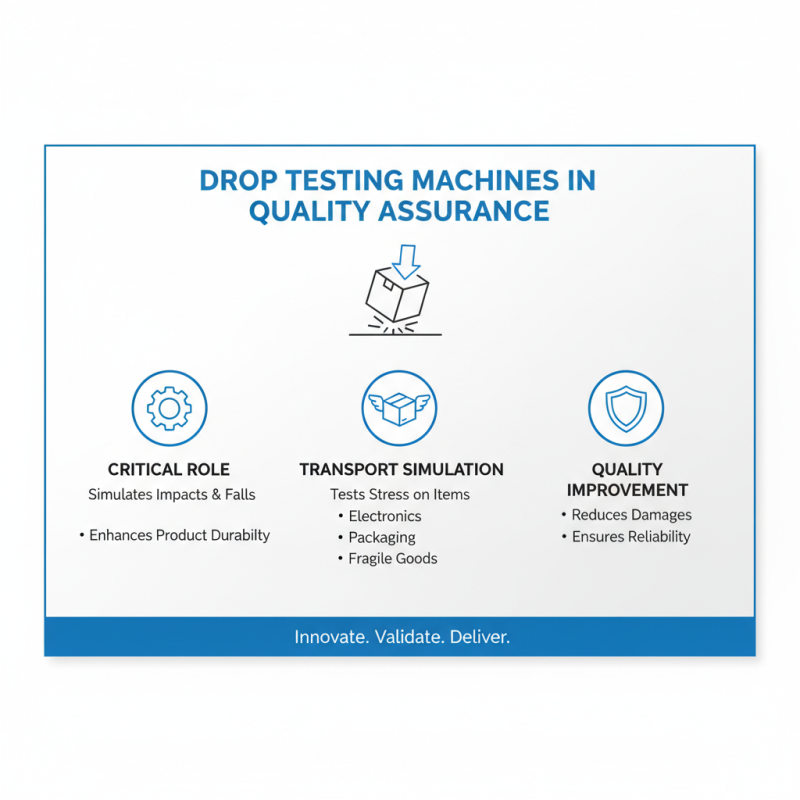
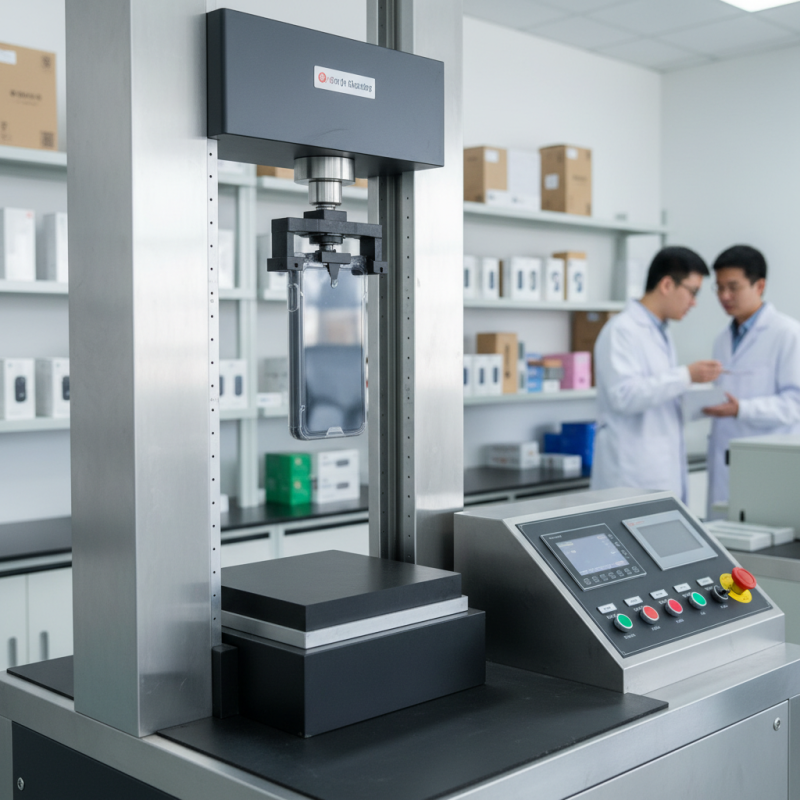
Drop testing machines play a critical role in quality assurance. These devices simulate the impacts and falls products may experience during transport. By understanding the stress placed on items, manufacturers can enhance durability. This testing is invaluable for electronics, packaging, and fragile goods.
The process usually involves dropping products from various heights. Each test serves a purpose; some mimic real-world scenarios, while others assess specific vulnerabilities. Engineers examine the results closely. They analyze the physical damage, such as cracks or functional failures. Often, designs need adjustments or reinforcements based on these outcomes.
However, not all testing scenarios are perfect. Sometimes, tests may not replicate actual handling conditions. This can lead to misleading conclusions about product resilience. Quality assurance must evolve, adopting better simulation methods. Continuous improvement ensures that testing remains relevant and effective.
Importance of Drop Testing for Product Durability and Safety
Drop testing is a crucial process for evaluating product durability and safety. It simulates everyday impacts that products may encounter. The results help identify potential weaknesses before products reach consumers. This proactive approach can prevent costly recalls and enhance customer trust.
Using drop testing machines provides a standardized method for assessment. They measure how well products withstand falls from various heights and angles. The data gathered informs design improvements. It's essential to remember that not every product is equally robust. Some items may fail under stress, revealing flaws that require attention.
Incorporating drop testing into the quality assurance process is vital. It ensures products are reliable and safe for user interaction. Yet, achieving ultimate durability remains a challenge. Each test provides insights, but it also highlights the need for continuous improvement. Learning from failures is part of product development, and drop testing facilitates that growth.
China Best Drop Testing Machine Guide for Quality Assurance
| Testing Machine Type |
Drop Height (mm) |
Weight Limit (kg) |
Applicable Industries |
Test Standards |
| Electromechanical Drop Tester |
1500 |
50 |
Consumer Electronics |
ASTM D5276 |
| Pneumatic Drop Tester |
1000 |
30 |
Packaging Industry |
ISTA 1A |
| Computerized Drop Tester |
2000 |
100 |
Automotive |
ISO 22628 |
| Manual Drop Tester |
500 |
20 |
Toys and Games |
ASTM F963 |
| Table Drop Tester |
1200 |
75 |
Medical Devices |
ISO 13485 |
Key Features to Consider When Choosing a Drop Testing Machine
When selecting a drop testing machine, several key features must be considered to ensure quality assurance. One important aspect is the machine’s ability to simulate real-world conditions. Industry reports indicate that over 70% of product damages occur during transport and handling. Therefore, machines that can mimic these scenarios through adjustable drop heights and angles are essential. This capability helps manufacturers understand how their products will perform under stress.
Another critical feature is the machine’s data collection abilities. Machines with advanced data logging systems provide insights into each drop's impact force and acceleration. This information aids in identifying weak points in product design. According to a recent study, 85% of engineers recommend devices with such analytical features for robust product testing.
Tips: Always check for compliance with international testing standards. This will enhance the credibility of your testing process. Investing in a machine that allows custom tests can lead to better product durability feedback.
Lastly, consider the support and maintenance services provided with the drop testing machine. Some manufacturers may skimp on instructions and support. Researching the service record can prevent future frustration.
Step-by-Step Guide to Conducting Drop Tests Effectively
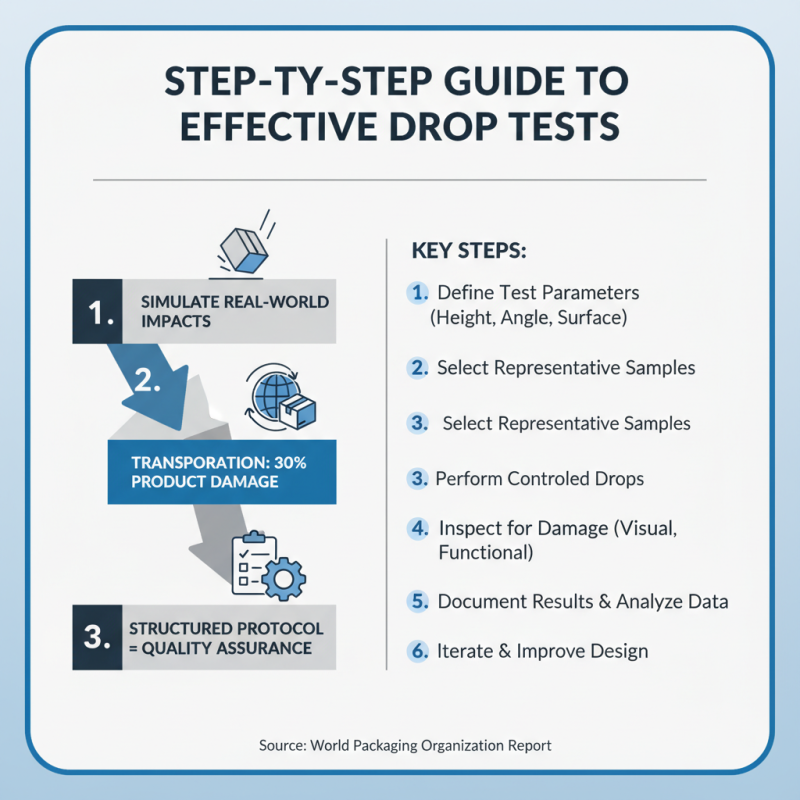
Conducting effective drop tests is crucial for quality assurance in product design. These tests simulate real-world impacts that products may endure. According to a report by the World Packaging Organisation, approximately 30% of product damages occur during transportation. Thus, implementing a structured drop testing protocol is essential.
When conducting drop tests, ensure the equipment is calibrated correctly. Testing at varying heights can reveal different failure points. The ASTM D5276 standard suggests testing at least three drop orientations for accurate results. Utilize high-speed cameras to capture the impact. Analyzing slow-motion footage can offer valuable insights into how products respond to shocks. However, inconsistencies in testing conditions can lead to unreliable data.
Keep in mind that while drop testing is vital, it does have limitations. Real-life conditions can differ significantly. The material's behavior may not replicate perfectly under laboratory settings. This variation prompts ongoing assessment of testing methodologies. Learning from each test can refine future protocols, improving overall product resilience in the market.
Best Practices for Interpreting Drop Test Results
When interpreting drop test results, clarity is key. Start by analyzing the specific metrics gathered during the tests. These metrics can include drop height, impact force, and damage patterns. Ensure the data is documented accurately. Observing details like cracks or dents helps to determine product durability. Test results should not just be numbers; they should tell a story about the product's performance.
Engaging with the data involves understanding the context of each test. Consider the environment where the product will be used. If your product is meant for rugged use, its performance in simulated environments can vary significantly. Look for patterns in failures. Are cracks occurring at specific drop heights? This insight can guide future designs and improvements, addressing weaknesses effectively.
It’s essential to keep a critical eye on your results. Sometimes, data may seem misleading. A product may pass drop tests but still fail under real-world conditions. Continual questioning and evaluation of results ensure that quality assurance is maintained. Engaging a multidisciplinary team can offer varied perspectives. Don't shy away from discussing failures; they often provide the richest learning experiences.