How to Choose the Best Drop Test Equipment for Your Needs?
Choosing the right Drop Test Equipment is crucial for businesses aiming to ensure product durability. An expert in the field, Dr. Lisa Chen, emphasizes, "Selecting the proper equipment can save both time and money in quality assurance." The decision-making process can be complex and often misunderstood.
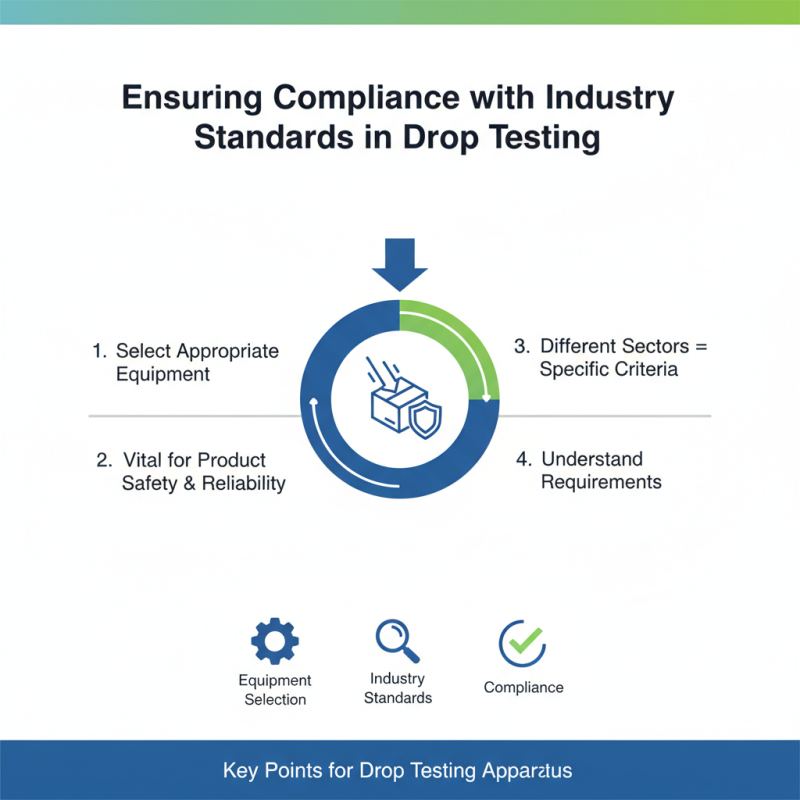
Factors such as load capacity, height measurement, and test cycles play pivotal roles. Different industries have varying standards. It's not just about picking the most advanced device. Understanding your specific testing requirements is vital. Many companies invest in expensive tools only to find they don't meet their needs.
Consider the importance of clarity in testing procedures. Some might overlook the subtleties of equipment features. Test results must be interpretable and applicable to real-world scenarios. A thoughtful approach guarantees reliability. Sometimes, less advanced equipment can yield more consistent results. Reflecting on previous choices helps guide future investments in Drop Test Equipment.

Understanding the Importance of Drop Test Equipment in Quality Control
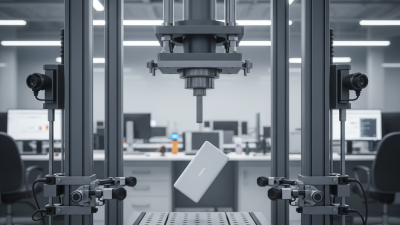
Drop test equipment plays a crucial role in quality control. It assesses how products withstand impacts during shipping and handling. This equipment mimics real-world conditions. By simulating drops, manufacturers can identify weak points. Proper testing can save costs and enhance product reliability.
When selecting drop test equipment, consider your specific requirements. Each product type may have unique needs. Analyze your testing environment. Understand the distances and weights you need to test. Do not overlook safety features. Equipment that ensures secure testing can prevent accidents.
Tips for effective choosing include conducting thorough research. Look for detailed specifications and user reviews. Consult industry experts to gain valuable insights. Testing should fit your production speed and volume. Regularly evaluate your procedures to ensure they meet changing standards. Embrace innovation in testing technology, as it can improve accuracy. Stay adaptable and be ready to update your equipment when necessary.
Key Factors to Consider When Selecting Drop Test Equipment
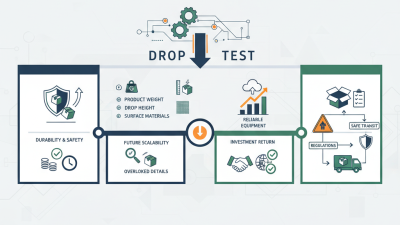
When selecting drop test equipment, several key factors can significantly influence your decision. One primary consideration is the equipment’s capability to simulate real-world conditions. According to a 2022 industry report, 61% of manufacturers noted that accurate simulations lead to better product safety and reliability. It's crucial for the equipment to replicate the height, angle, and surface types that your products are likely to encounter.
Another important factor is the range of drop heights available. Equipment offering adjustable heights can help test various product designs. A study found that 40% of product failures occur at unforeseen drop heights. Therefore, identifying equipment that allows for flexible testing scenarios can enhance the understanding of potential vulnerabilities in your products.
Cost is also a critical element in the decision-making process. While cheaper options may save money initially, they often lack essential features and durability. A report from 2023 indicated that investing 20% more upfront could yield a 30% improvement in long-term reliability and accuracy in testing. Balancing budget constraints with the need for high-quality, reliable testing solutions is vital for ensuring product integrity in the marketplace.
How to Choose the Best Drop Test Equipment for Your Needs? - Key Factors to Consider When Selecting Drop Test Equipment
| Feature |
Description |
Importance Level |
| Drop Height Range |
The maximum and minimum heights that the equipment can test. |
High |
| Payload Capacity |
The maximum weight of the item that can be tested. |
Medium |
| Drop Mode |
The method of dropping items (free fall, side drop, etc.). |
High |
| Test Standards Compliance |
Compliance with industry-specific testing standards. |
High |
| Data Logging Capability |
Ability to record and analyze test data. |
Medium |
| Ease of Use |
User-friendly interface for setting up tests. |
Medium |
| Portability |
How easily the equipment can be transported. |
Low |
Types of Drop Test Equipment Available in the Market
Selecting the right drop test equipment can be challenging. Various types are available, each designed for specific needs. Some common types include mechanical drop testers, free-fall testers, and vibration drop test equipment. According to a report by the International Society of Automation, the market for drop test equipment has seen a steady growth rate of 5% annually.
Mechanical drop testers are widely used in quality control. They simulate real-world drops using fixed heights. Free-fall testers, on the other hand, allow for more dynamic testing at varying drop heights. The versatility of vibration drop test equipment offers insights into how products endure impacts while in transit. Research indicates that 40% of product failures happen during the shipping process, highlighting the importance of effective testing.
It's crucial to consider your specific requirements. Factors like weight limits and drop heights can significantly influence the results. Often, users overlook the importance of accurate calibration and environment settings. Underestimating these aspects can lead to flawed results, making it essential to reflect on the equipment’s setup before conducting tests.
Types of Drop Test Equipment Available in the Market
Evaluating the Cost-Effectiveness of Drop Test Equipment
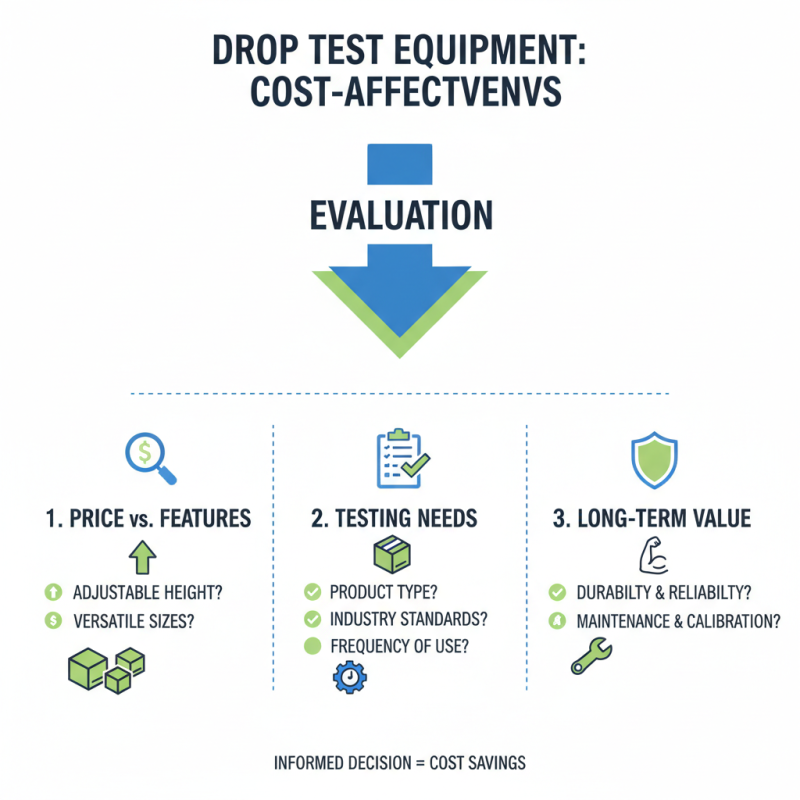
Evaluating the cost-effectiveness of drop test equipment requires careful consideration. First, you should assess the equipment's features relative to the price. Does it offer adjustable drop heights? Is it compatible with various product sizes? These factors influence how well the equipment meets your specific testing needs.
When analyzing potential equipment, consider the long-term benefits. Cheaper options may save money upfront but could lead to unforeseen costs. Higher-quality equipment typically yields more reliable results. These results are crucial for maintaining product integrity. You want to avoid costly returns or damage control later.
Tips: Look for equipment with a solid warranty. A strong guarantee reflects confidence in the product's durability. Also, check customer reviews to learn about other users' experiences. Remember, what works for someone else might not work for you. Lastly, factor in maintenance costs. Ongoing expenses can eat into your budget over time. Make sure you're prepared for these future costs as you choose the right drop test equipment for your needs.