2026 How to Choose the Right Drop Test Equipment for Your Needs?
In the world of product testing, selecting the right Drop Test Equipment is crucial for ensuring durability and safety. John Anderson, a leading expert in materials testing, emphasizes, "The right equipment can save you time and money by preventing costly product failures." Companies face numerous challenges when choosing equipment that meets their specific needs.
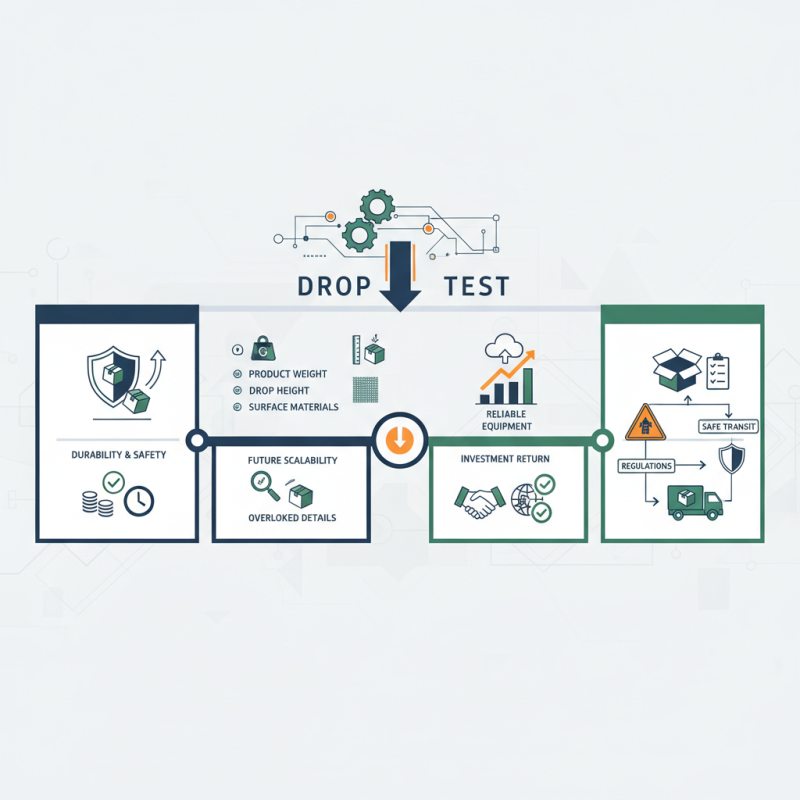
Drop Test Equipment varies significantly in features and functionality. Factors such as the weight of the product, the height of the drop, and the surface materials all influence the choice of equipment. In many cases, companies may overlook important details in their selection process. It's essential to consider not only the immediate testing requirements but also future scalability.
Reflecting on the experiences of various professionals, it's clear that investing in reliable Drop Test Equipment pays off. However, the decision can be overwhelming. A thorough analysis of your product's requirements is vital. The right equipment can help you pass regulations and keep your products safe during transit. Understanding these elements is a step toward ensuring effective testing practices.
Understanding the Basics of Drop Test Equipment
Understanding drop test equipment is crucial for industries focused on product durability. This equipment simulates real-world impacts by dropping items from specified heights. According to a study by The Packaging Association, nearly 60% of product damage occurs during transportation. Robust testing can identify weaknesses early, saving costs and enhancing product reliability.
Different types of evaluate various factors. Free fall tests measure impact resistance, while specific drop heights dictate the severity of potential impacts. Organizations like ASTM International provide standards that guide these tests. Many equipment options cater to specific needs. However, choosing the right one can be daunting due to the wide range of available features.
Investing in the right drop test equipment requires understanding specific testing requirements. Companies often overlook how different materials react to impacts. Thus, preliminary research is essential. Evaluating testing capacity and reporting features ensures data accuracy. Even seasoned professionals sometimes underestimate these aspects, leading to inadequate testing outcomes. Awareness of this can lead to improved decision-making and product enhancement.
Factors to Consider When Selecting Drop Test Equipment
When selecting drop test equipment, several factors are crucial. Understanding your product's testing requirements is the first step. Each item has unique characteristics that determine the ideal testing parameters. For example, ASTM D5276 provides guidelines for the drop testing of packages, indicating that different materials respond differently to impacts. A well-rounded testing program would integrate various drop heights and angles.
Another key consideration is the equipment's capabilities. Data from recent industry reports show that over 70% of companies that invest in advanced drop testing equipment see a significant reduction in product damage claims. Equipment that allows for programmable drop heights and angles enhances accuracy and reliability in results. Look for devices that offer adjustable settings to test a range of products, from fragile electronics to robust industrial goods.
Finally, think about the support and training available. Complex machinery requires skilled operators. Studies indicate that proper training can increase testing efficiency by up to 40%. So, seek equipment that comes with comprehensive training materials and customer support. Investing in quality drop test equipment should reflect a blend of capability, support, and adaptability to meet evolving testing standards and product protection needs.
2026 How to Choose the Right Drop Test Equipment for Your Needs?
When selecting drop test equipment, it's essential to consider various factors such as the type of materials, drop heights, and test standards. Below is a bar chart showcasing different types of drop test equipment and their recommended drop heights.
Different Types of Drop Test Equipment Available
When selecting drop test equipment, it's crucial to understand the different types available. Each category serves specific testing needs. For instance, a pendulum drop tester simulates impacts. This helps evaluate product durability under real-world conditions. Another type is the free-fall drop tester, which measures how items withstand drops from various heights.
Tips: Always consider the weight and size of the items you need to test. Not all equipment can handle large or heavy products. You might need to rethink your choice if your items are particularly unique.
Additionally, there are automated drop test systems. These offer consistent results and can conduct multiple tests quickly. However, they may require more investment. Think about your budget and the frequency of use when choosing. It’s essential to balance cost against reliability and necessity.
In conclusion, familiarizing yourself with each type will aid in making an informed decision. Testing methods vary widely, and understanding these differences can ensure you select the best equipment for your specific requirements.
Evaluating the Specifications and Features of Drop Test Equipment
When selecting drop test equipment, understanding specifications is vital. Look for equipment that offers adjustable drop heights. This allows for testing products under various conditions. Consider the weight and size limits, as these determine the type of products you can test.
Durability is another key factor. The equipment should withstand repeated drops without degrading. Check the materials used in construction. High-quality components can make a significant difference.
Accuracy of measurements is crucial as well. Look for advanced features that ensure precise results. Digital displays can enhance user experience. If your equipment lacks these features, it may require frequent recalibrations. Reflect on whether this could impact your testing efficiency. Choosing the right equipment requires careful evaluation of these specifications.
2026 How to Choose the Right Drop Test Equipment for Your Needs?
| Model |
Drop Height (meters) |
Weight Capacity (kg) |
Test Standard |
Dimensions (mm) |
Features |
| Model A |
1.5 |
50 |
ASTM D5276 |
600 x 400 x 300 |
Automatic height adjustment, Digital display |
| Model B |
2.0 |
70 |
ISO 2248 |
800 x 600 x 400 |
Safety switch, Programmable testing |
| Model C |
3.0 |
100 |
MIL-STD-810 |
1000 x 700 x 500 |
Multi-drop capability, Remote control |
| Model D |
2.5 |
60 |
IEC 60068-2-32 |
700 x 500 x 350 |
Data logging, Compact design |