What is a Climate Chamber and How Does It Work?
A Climate Chamber is an essential tool for researchers and manufacturers alike. It simulates various environmental conditions. This allows for comprehensive testing of materials and products. Dr. Emily Sanders, a prominent expert in environmental engineering, states, "Climate Chambers are vital for understanding product behavior in extreme conditions."
The precise control of temperature and humidity in a Climate Chamber creates an accurate testing environment. This is crucial for industries like pharmaceuticals and electronics. Here, products must withstand diverse climatic scenarios. However, the design and operation of such chambers can be complex. Not all chambers achieve consistent results. Quality control is necessary for reliable data.
Researchers often face challenges with maintenance and calibration. These factors can lead to discrepancies in testing. It is vital to consider these imperfections. A well-managed Climate Chamber can significantly enhance product development. Yet, inconsistent use may yield misleading results. Continuous improvement in procedures is crucial for advancing this critical technology.
What is a Climate Chamber?
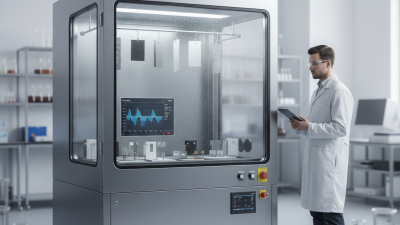
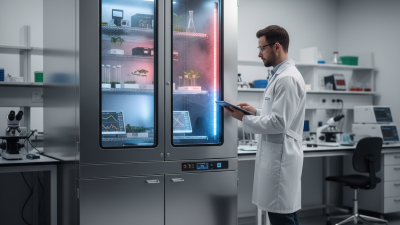
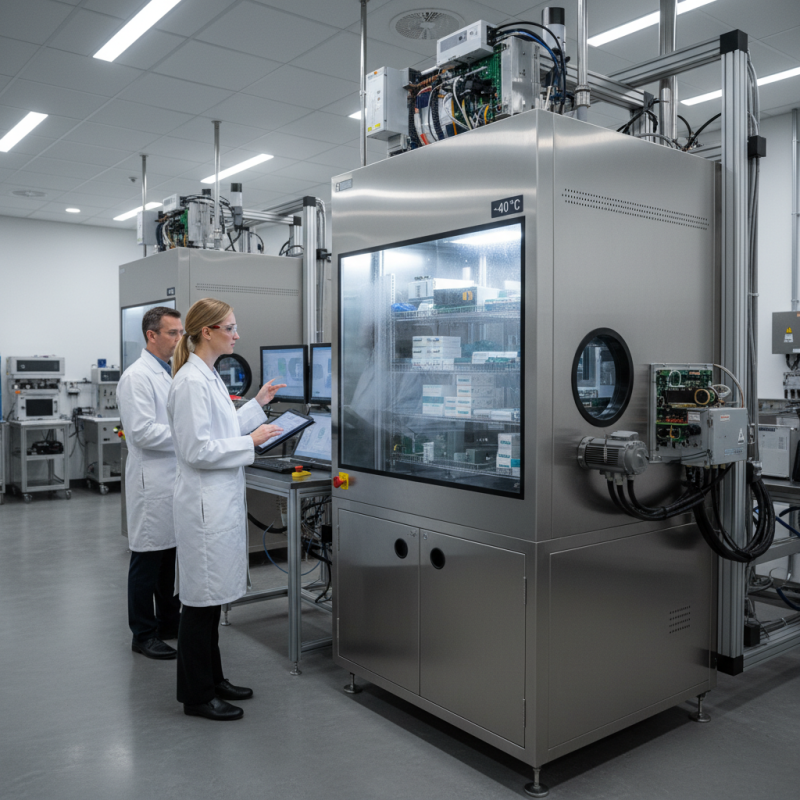
A climate chamber is a controlled environment used for testing materials, products, and organisms under specific temperature and humidity conditions. These chambers simulate various climates to assess how items react over time. They can recreate everything from humid tropical conditions to freezing temperatures. This feature is vital for industries, including pharmaceuticals, agriculture, and electronics.
Using a climate chamber requires careful setup. It's essential to determine the necessary temperature and humidity levels for the testing process. Calibration is key to reliability. If settings are not precise, results can be skewed, leading to potential errors in product development. This is crucial for ensuring that products meet industry standards.
**Tips:** Keep a detailed log of conditions inside the chamber. This helps track changes and identify inconsistencies. Also, regularly inspect the equipment. Wear and tear can affect performance, potentially compromising your tests. Pay attention to the placement of items inside the chamber. Crowding can lead to inaccurate results, as some items might not experience the same conditions.
Key Components of a Climate Chamber
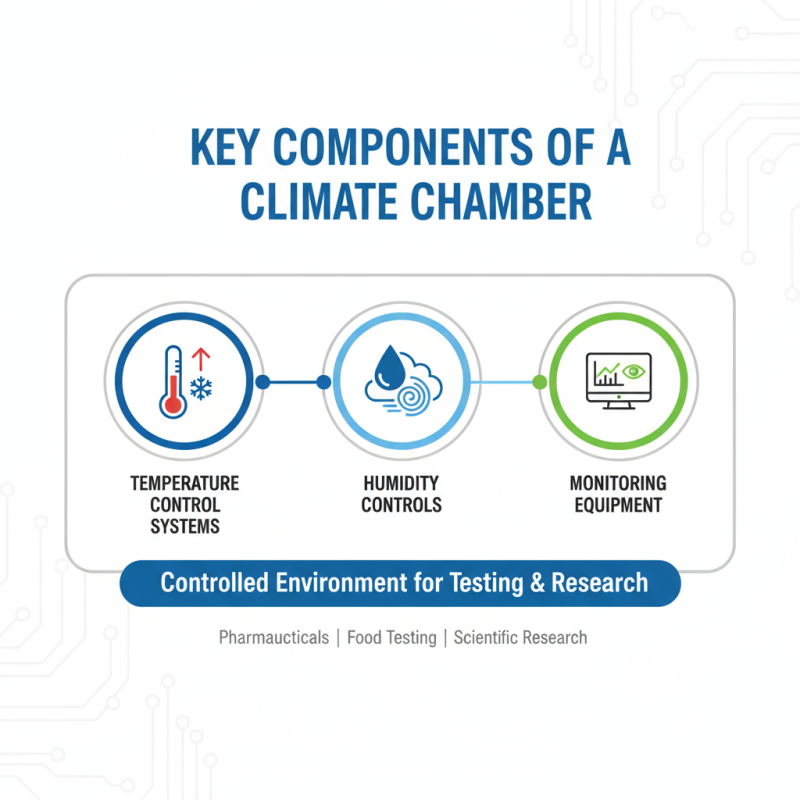
A climate chamber is a controlled environment designed to replicate specific temperature and humidity levels. These chambers are essential in various industries, such as pharmaceuticals, food testing, and scientific research. The key components include temperature control systems, humidity controls, and monitoring equipment.
Temperature control systems maintain the desired heat levels. These systems use heating elements and cooling units to achieve precise conditions. Humidity control is equally important. It ensures the right moisture levels are sustained, often using humidifiers and dehumidifiers. Monitoring equipment provides real-time data, allowing users to see how conditions fluctuate within the chamber.
Tips: Regular calibration of your monitoring equipment is crucial. Inaccuracies can lead to unreliable results. Also, check seals and insulation regularly. Any leaks can disrupt the environment. Finally, keep the chamber clean and organized. This practice helps prevent contamination and maintains optimal performance.
How Climate Chambers Regulate Temperature and Humidity
Climate chambers are crucial for scientific research and product testing. They create controlled environments that mimic specific temperature and humidity conditions. This ensures that experiments yield reliable and reproducible results.
How do these chambers maintain temperature and humidity? They use advanced systems that regulate air circulation, heating, and cooling. Sensors constantly monitor conditions. When humidity drops, water vapor is introduced. Likewise, if the temperature strays from a set point, heating or cooling mechanisms kick in. This precision is vital for experiments involving plants, electronics, and pharmaceuticals.
Tips for using climate chambers effectively:
- Always calibrate sensors before use. An uncalibrated sensor can lead to inaccurate results.
- Regularly check for leaks or malfunctions. A minor issue can disrupt the entire experiment.
- Document every condition meticulously. This will help in assessing the validity of your results later.
Understanding these mechanisms empowers researchers. However, it’s important to reflect on the limitations. For example,
not all materials behave consistently under stress in these controlled environments. This can lead to unexpected failures when products are used in real-world scenarios.
Applications of Climate Chambers in Various Industries
Climate chambers serve diverse purposes across multiple industries. These controlled environments simulate various climates, aiding in research and product testing. They are essential in fields such as pharmaceuticals, agriculture, and electronics.
In the pharmaceutical industry, climate chambers ensure that drugs withstand varying conditions. Humidity and temperature can impact medications. Testing these products in a controlled chamber protects patient safety. Similarly, in agriculture, these chambers help simulate seasons and climate changes. Crops can be studied under adverse conditions. Researchers gain insights into resilience and yield.
**Tips:** Always calibrate your climate chamber regularly. Maintain optimal conditions for accurate results. Documentation is crucial during testing. It ensures reproducibility and accountability in your findings.
In electronics, climate chambers assess product durability. Devices must operate in extreme temperatures and humidity. Stress tests reveal weaknesses that may not appear in normal conditions. Re-evaluating test protocols can lead to improved designs.
These applications underline the importance of climate chambers in advancing industry innovation. However, not all tests may yield anticipated results. Reflecting on these outcomes fosters improvement and adaptation in designs and processes.
Advantages of Using Climate Chambers for Research and Development
Climate chambers are specialized environments designed to simulate various weather conditions. Researchers and scientists use these chambers for testing product durability and performance under controlled conditions. They allow precise control of temperature, humidity, and light to mimic real-world climates.
Using climate chambers has significant advantages for research and development. One key benefit is reliable data collection. These chambers eliminate external variables, ensuring experiments yield consistent results. This consistency is crucial for developing products that can withstand specific environmental conditions. Researchers can conduct experiments in accelerated timelines, leading to faster product iterations.
Tip: Regularly calibrate your climate chamber to ensure accurate readings. Small discrepancies can lead to flawed results, impacting the research outcome.
Another advantage is the ability to test under extreme conditions. This capability helps industries like agriculture and pharmaceuticals create products that meet rigorous standards. However, the complexity of using these chambers can be challenging. It requires expertise and an understanding of environmental interactions. Researchers must be cautious of over-relying on controlled conditions, as real-world scenarios may differ.
Tip: Always validate chamber results with field tests. This approach can expose limitations in controlled environments.