What is a Corrosion Testing Chamber and How Does it Work?
Corrosion is a significant concern for various industries, impacting the longevity and safety of materials. A Corrosion Testing Chamber plays a crucial role in assessing the resistance of materials under extreme conditions. According to a report by the National Association of Corrosion Engineers (NACE), corrosion costs the U.S. economy over $300 billion annually. This alarming statistic underscores the need for effective testing methods.
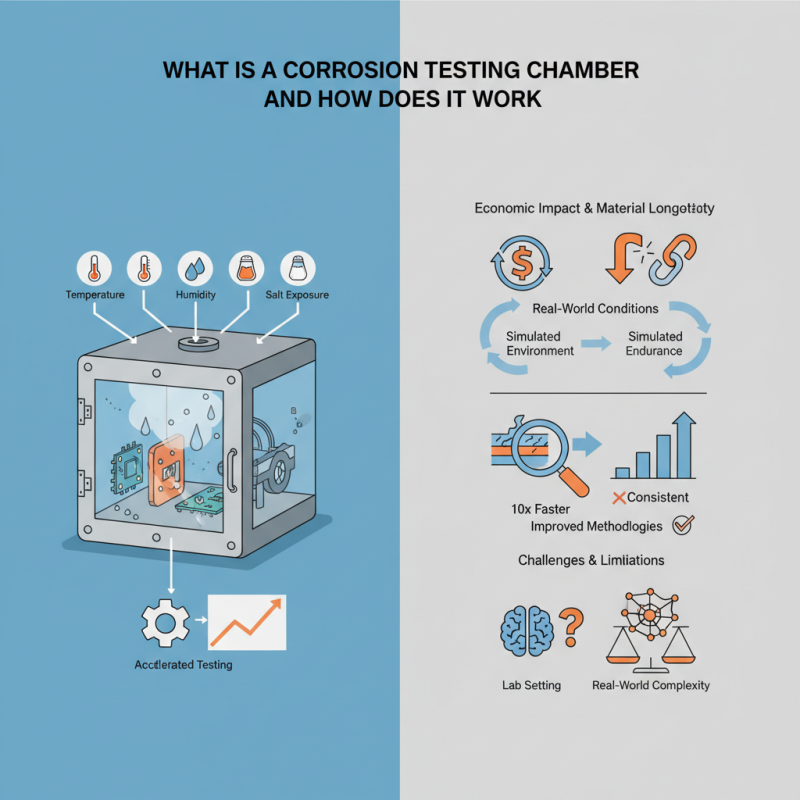
These chambers simulate real-world corrosive environments, allowing for accelerated testing. They create conditions such as humidity, temperature, and salt exposure to evaluate a material's endurance. Research indicates that materials can corrode up to 10 times faster in these controlled settings than in natural environments. Utilizing a Corrosion Testing Chamber helps manufacturers develop more durable products, yet results are sometimes inconsistent. Variations in testing conditions may lead to differing outcomes, prompting the need for continuous improvements in methodologies.
While these chambers provide valuable insights, challenges remain. Not all corrosion mechanisms are easily replicated in a lab setting. The complexity of material interactions might not fully manifest under artificial conditions. Understanding these limitations is essential for making informed decisions regarding material selection and protection strategies.
What is a Corrosion Testing Chamber?
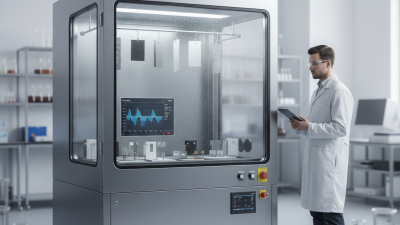
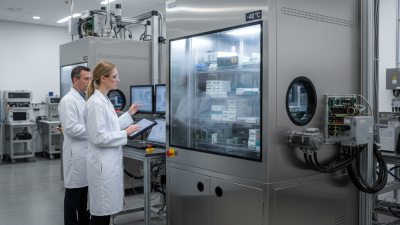
A corrosion testing chamber is a controlled environment used to evaluate the corrosion resistance of materials. These chambers simulate various environmental conditions like humidity, temperature, and corrosive agents. The aim is to accelerate the corrosion process and assess how different materials will perform over time.
Corrosion testing plays a vital role in industries such as aerospace, automotive, and construction. A report from the NACE International corrosion society indicated that corrosion costs the U.S. economy approximately $276 billion annually. This highlights the importance of understanding material behavior in corrosive environments. Every material has its limits. The chamber helps identify these thresholds through accelerated tests, saving companies both time and money.
Moreover, not all testing chambers are the same. Some may not replicate real-world conditions accurately. Inaccurate results can lead to material failures in the field. A study showed that 30% of the time, results from standard tests misrepresented corrosion behavior. Therefore, it is crucial for researchers to select the right chamber and regularly analyze their testing protocols. This ensures reliability in predicting how materials withstand corrosion in practical applications.
Key Components of a Corrosion Testing Chamber
A corrosion testing chamber is essential for assessing material durability. Its design incorporates key components that simulate various corrosive environments. The chamber replicates conditions such as temperature, humidity, and chemical exposure, facilitating accelerated testing.
One important component is the salt spray generator. This device produces a fine mist of saline solution. It allows for in-depth analyses within a controlled space. Research indicates that over 80% of materials tested in such environments help predict long-term performance under actual service conditions. Proper calibration of the generator is vital; an inaccurate saline concentration can skew results.
Moreover, temperature and humidity controls play a critical role in creating a realistic corrosion environment. Adjustable thermostats and humidistats help maintain consistent conditions. A study by the ASTM states that variations of just a few degrees in temperature can significantly impact corrosion rates. The inclusion of data loggers ensures accurate recording of these parameters, promoting reliable and repeatable testing. Understanding these components can lead to better material choices and enhanced product longevity. A failure to maintain equipment can introduce further inaccuracies. Adjustments are often necessary, but they require careful monitoring and expertise.
Types of Corrosion Tests Conducted in the Chamber
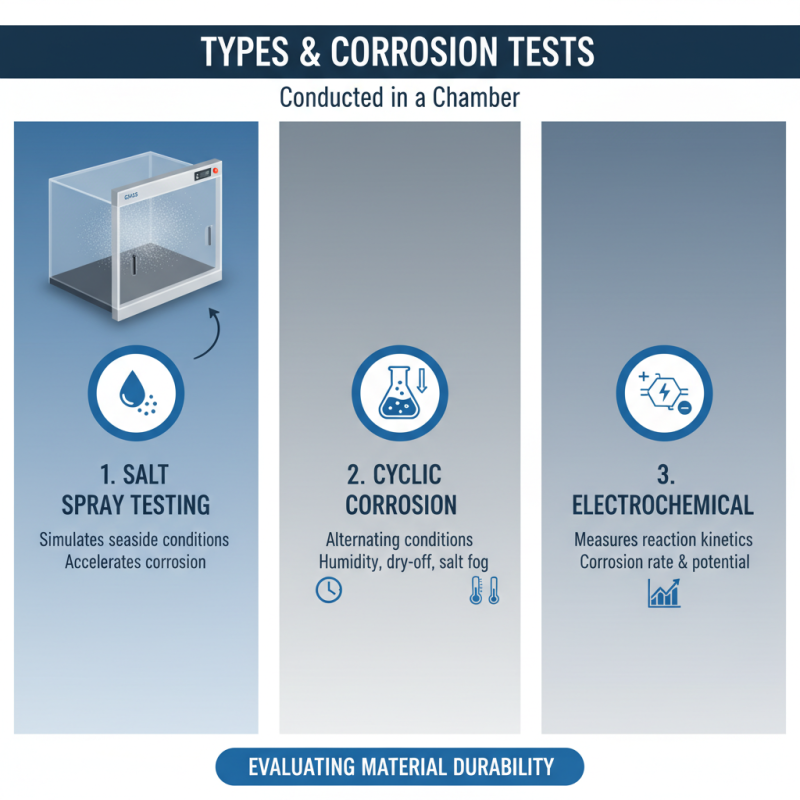
A corrosion testing chamber is essential for evaluating material durability. Various types of corrosion tests are conducted in these chambers, each serving a unique purpose. Salt spray testing is one common method. It exposes materials to a mist of saltwater. This simulates seaside conditions and accelerates the corrosion process.
Another significant type is humidity testing. High humidity can cause corrosion, especially in metals prone to oxidation. This testing evaluates how materials handle moisture over time. There’s also the cyclic corrosion test. It combines wet and dry cycles to simulate real-world conditions. Each of these tests reveals different weaknesses in materials, helping manufacturers improve their products.
However, the results of these tests can vary. Factors such as temperature fluctuations and material composition play critical roles. Some tests may not fully replicate field conditions, leading to misleading results. It’s crucial to interpret findings with care and consider environmental factors that might influence corrosion. While chambers provide valuable data, they are not foolproof. Continuous evaluation is needed to enhance material performance in real-world applications.
Principles of Operation for Corrosion Testing Chambers
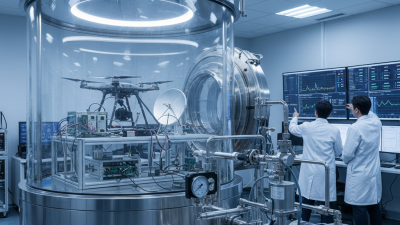
Corrosion testing chambers simulate extreme environments to assess material durability. These chambers control temperature, humidity, and corrosive elements. The data indicates that over 30% of engineering failures are due to corrosion. Understanding how these chambers operate is crucial for industries reliant on metal components.
Principles of operation include cyclic exposure to corrosion agents. The chamber often uses salt spray, a common standard for testing. According to ASTM B117, the salt spray test is effective for evaluating corrosion resistance. However, results can vary. Some materials may perform well in the lab but fail in real-life conditions.
Another principle is humidity control. High humidity can accelerate corrosion. Research shows that corrosion rates can double in humid conditions. It’s essential to calibrate chambers accurately for meaningful results. Nevertheless, some tests may not replicate all environmental factors. The gap between controlled tests and real-world scenarios requires ongoing reflection and improvement in testing methods.
Corrosion Testing Chamber - Material Resistance Analysis
Applications and Importance of Corrosion Testing in Industry
Corrosion testing is crucial across many industries. It helps assess how materials will react in various environments. Factors like humidity, temperature, and chemical exposure are evaluated. This ensures that materials used in construction, automotive, and aerospace meet safety and performance standards. Understanding corrosion can save time and costs in repairs and replacements.
In industries such as oil and gas, regular corrosion testing is essential. It mitigates risks that could lead to catastrophic failures. Engineers rely on data from testing chambers to make informed decisions. They analyze how different coatings and materials resist corrosion. This knowledge contributes to longer-lasting products and higher operational efficiency.
Despite its importance, some companies overlook corrosion testing. This can lead to unforeseen expenses and safety hazards. A corrosion testing chamber offers valuable insights but is often underutilized. Investing time and resources in proper testing can enhance material selection. This not only reduces failures but also fosters trust in the products being used. Understanding the need for consistent testing is an area where many industries can improve.