How to Use a Double-Wing Drop Tester Effectively for Packaging Testing?
The importance of reliable packaging testing cannot be overstated in the shipping industry. Expert John Anderson, a leading authority on packaging testing, states, "Effective testing ensures products arrive intact." One commonly used device is the Double-Wing Drop Tester. This tool simulates the impact of drops and shocks during transportation.
Using a Double-Wing Drop Tester effectively requires attention to detail. Calibration is key; a poorly calibrated device can yield faulty results. Ensure that the drop heights and angles are consistent. It’s essential to choose the right packaging materials to assess their performance accurately.
However, even the most experienced testers can overlook critical factors. For instance, environmental conditions like temperature and humidity can affect test outcomes. Regular training and adjustments based on feedback can refine the testing process. Relying solely on the device without a comprehensive understanding can lead to mistakes. A systematic approach, coupled with a keen eye for detail, will enhance the reliability of the Double-Wing Drop Tester in real-world applications.
Understanding the Basics of Double-Wing Drop Testers in Packaging
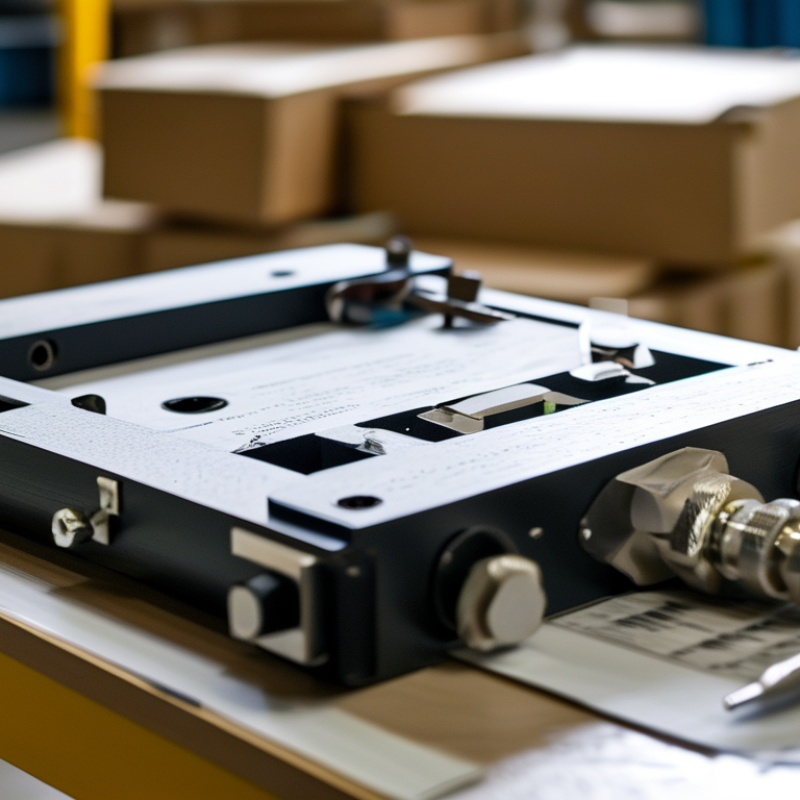
Double-wing drop testers are crucial in ensuring packaging durability. They simulate drops to measure how well packaging protects its contents. Understanding the device is essential for accurate testing. Each tester consists of two platforms that drop packages from various heights. The design mimics real-world scenarios faced during shipping and handling.
Effectiveness hinges on knowing how to operate the tester properly. Set the height based on the package's expected drop conditions. Proper placement of the package on the platform is vital. If placed incorrectly, results may not reflect actual performance. Observing the package post-drop allows for valuable insights. Look for cracks, dents, or punctures that indicate weak points.
Testing can reveal flaws in packaging design. Sometimes, packaging materials may not perform as expected. This can lead to discussions on improving designs. Adequate testing helps reduce costs and prevents product damage. Reflection on test outcomes can pave the way for innovation in packaging. Ultimately, the goal is to enhance both safety and efficiency in shipping processes.
Key Parameters for Effective Packaging Testing with Double-Wing Drop Testers
When conducting packaging testing with a double-wing drop tester, several key parameters must be considered. These parameters include drop height, surface type, and packaging material. The drop height directly impacts the testing outcome. Higher drops usually lead to more significant impact forces, but they may not always reflect real-world scenarios. It's essential to choose a height that simulates actual handling conditions.
Next, the surface type where the packaging lands plays a crucial role in the test results. Different surface materials can absorb or transmit energy differently. For instance, testing on concrete versus carpet can yield vastly different outcomes. Selecting the appropriate surface can help provide more meaningful data about the packaging's performance.
Moreover, the packaging material itself significantly influences the drop test results. Rigid boxes, for example, might perform differently from flexible bags under impact stress. It is vital to use representative samples of the actual products to ensure reliability. Conducting tests with various materials can reveal weaknesses that may not be apparent with only one type. Testing packages thoroughly can help in understanding how they might fail in real-life situations.
Best Practices for Setting Up a Double-Wing Drop Tester for Accurate Results
Setting up a double-wing drop tester requires careful attention to detail. Ensure the tester is on a stable, flat surface. This minimizes movement during tests. It's vital to calibrate the tester according to the manufacturer's guidelines. Use accurate weights that match your packaging specifications. This step is crucial for obtaining reliable data.
Next, choose appropriate drop heights based on your product's transportation environment. Make sure to position the packaging firmly on the test platform. This will prevent it from shifting during the drop. Record each drop’s angle and height meticulously. These details aid in evaluating the test's effectiveness.
Many overlook the importance of repeated tests. Conduct multiple drops to account for variability. Analyze the results critically. Reflections on unexpected outcomes can improve future tests. Adjust your setup accordingly for even better results next time. Testing doesn't just affirm your design; it reveals potential weaknesses.
Analyzing Data Collected from Double-Wing Drop Testing for Quality Assurance
Analyzing data from Double-Wing Drop Testing plays a crucial role in quality assurance for packaging. This method simulates real-world impacts that packages may encounter during shipping. It helps identify potential weaknesses in design. Effective analysis starts with collecting comprehensive data regarding the drop height, impact angle, and package condition before testing.
Once the data is gathered, focus on interpreting the results accurately. Look for patterns indicating failure points. Pay attention to specific areas where the packaging did not hold up. These insights can inform necessary design changes. It's not uncommon to find discrepancies or unexpected results. Sometimes, initial hypotheses may not align with the findings.
Reflecting on these outcomes is essential. Engaging in discussions with team members can provide fresh perspectives. Each drop test offers a learning opportunity. Continuous improvement relies on adapting based on what the data reveals. This iterative approach ensures that packaging remains resilient in the face of potential damages during transit.
How to Use a Double-Wing Drop Tester Effectively for Packaging Testing
| Test ID |
Package Type |
Drop Height (cm) |
Drop Orientation |
Impact Test Result |
Comments |
| 001 |
Corrugated Box |
60 |
Flat |
Pass |
No visible damage |
| 002 |
Plastic Container |
80 |
Corner |
Fail |
Cracked at the corner |
| 003 |
Glass Bottle |
50 |
Flat |
Fail |
Shattered upon impact |
| 004 |
Metal Can |
100 |
Edge |
Pass |
No dents or damage |
| 005 |
Cardboard Carton |
70 |
Flat |
Pass |
Minor scuffing, no structural damage |
Common Mistakes to Avoid When Using a Double-Wing Drop Tester in Testing
Using a double-wing drop tester effectively is crucial for packaging durability assessments. However, common mistakes can hinder accurate results. One frequent error is misaligning the drop tester. Ensure that the test package is centered. An off-center drop can lead to misleading data, compromising your results.
Another common pitfall is using inadequate test specimens. Always test packaging that reflects real-world conditions. Using different materials or sizes can skew your results. Make sure to follow standardized procedures for consistency. This attention to detail can significantly improve testing reliability.
Tips: Always record the height of each drop and any anomalies during testing. Regularly calibrate your drop tester to maintain accuracy. Finally, don’t skip the analysis phase; reflect on your findings to avoid repeating mistakes in future tests.