Top 5 Corrosion Testing Chamber Options for Global Buyers?
In the world of materials testing, selecting the right Corrosion Testing Chamber is vital. As Dr. Emily Johnson, a renowned corrosion scientist, notes, "A reliable testing chamber is essential for evaluating material performance." The industry faces challenges with various options available to buyers globally.
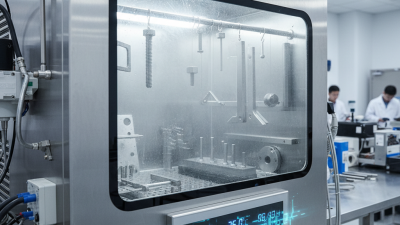
Corrosion Testing Chambers simulate harsh environments to assess how materials respond over time. They are not all created equal; some lack advanced features that may compromise results. Reliability and precision are key. Buyers often struggle to navigate these complexities, weighing the pros and cons of each model.
Investing in the right equipment can lead to significant long-term benefits. However, not all chambers meet the highest standards. Researchers must critically analyze their choices to ensure effective corrosion testing. Reflecting on experiences can guide buyers to make informed decisions.
Top 5 Corrosion Testing Chamber Options for Global Buyers
Corrosion testing chambers are essential for measuring material durability and lifespan. These chambers replicate environmental conditions, allowing for accelerated testing of corrosion behavior. A recent industry report indicates that the global market for corrosion testing is expected to grow significantly, emphasizing the demand for reliable testing solutions.
When selecting a corrosion testing chamber, consider the model's capacity and features. Look for chambers that offer multiple testing conditions, such as salt spray, humidity, and temperature variations. Many professionals recommend considering options that have been certified by recognized standards, ensuring accuracy in testing results.
Tips: Invest time in training staff on chamber operation. Proper training enhances test accuracy. Regular calibration of equipment is crucial for reliable data. Don't overlook the importance of maintenance; a well-maintained chamber performs consistently.
Another aspect to reflect on is the longevity of these chambers. While brands may market long-lasting durability, users often encounter unexpected failures. Rely on user reviews and case studies to evaluate chamber performance over time. This insight helps prevent potential pitfalls during the purchasing process.
Understanding the Importance of Corrosion Testing for Materials
Corrosion testing is vital for evaluating material durability. It helps predict the lifespan of products used in harsh environments, like marine or industrial settings. By simulating real-world conditions, manufacturers can better understand how materials will perform over time. This knowledge is key in avoiding costly failures and ensuring safety.
Exploring corrosion testing options is crucial for global buyers. Selecting the right chamber can make a significant difference in results. Look for chambers that offer customizable settings. They should replicate conditions such as humidity, temperature, and salinity. This can lead to more accurate and reliable testing outcomes.
Tip: When choosing a corrosion testing chamber, consider the size. Ensure it can accommodate the materials you intend to test.
Another important aspect is the testing duration. Some test chambers allow for accelerated testing. This can provide quicker results but might not always reflect long-term behavior accurately.
Tip: Always review past testing results of similar materials. This can guide your expectations and help assess the reliability of the chosen chamber.
Ensuring thorough testing can save time and money. It's essential to weigh your options carefully and choose wisely.
Key Features to Consider When Selecting a Corrosion Testing Chamber
When selecting a corrosion testing chamber, key features can significantly impact performance. A study by ASTM International highlights that temperature and humidity control play crucial roles in accelerated corrosion testing. Ideally, chambers should maintain a uniform temperature range of 20°C to 80°C. Fluctuations can lead to inconsistent results, making precise control essential.
Another vital aspect is the chamber's ability to simulate various corrosive environments. From salt spray to sulfur dioxide testing, diverse environments challenge materials differently. According to the International Organization for Standardization (ISO), standards such as ISO 9227 for salt spray tests help ensure uniformity in testing. However, not all chambers meet these standards, leading to potential discrepancies in data.
Durability and maintenance should also be considered. Some chambers may offer advanced features but require more frequent maintenance. A report from NACE International points out that availability of parts and ease of service can affect operational efficiency. It's not uncommon for users to overlook these factors initially, only to face unexpected downtime later. Selecting the right chamber involves balancing features with real-world usability and reliability.
A Comparative Overview of Popular Corrosion Testing Chamber Brands
When considering corrosion testing chambers, various brands offer unique features. Each brand aims to meet specific testing needs. Many are used for products exposed to harsh environments. They simulate conditions like salt spray and humidity. This helps assess long-term durability.
Some chambers are user-friendly, but others require expertise. Users may find complicated interfaces frustrating. Innovation is constant, yet some brands lag in technology. It raises questions about reliability and long-term support. Look for data on performance and maintenance; this is crucial for informed choices.
Efficiency matters too. A chamber's ability to replicate real-world conditions impacts results. Pay attention to energy consumption; it can affect operational costs. Some models claim to save energy but fall short in practice. This inconsistency can lead to unexpected budgets. Always research and compare before committing to a purchase. Your testing needs deserve careful consideration.
Top 5 Corrosion Testing Chamber Options for Global Buyers
| Feature |
Option 1 |
Option 2 |
Option 3 |
Option 4 |
Option 5 |
| Chamber Size (L x W x H) |
100 x 100 x 100 cm |
150 x 150 x 150 cm |
200 x 200 x 200 cm |
120 x 120 x 120 cm |
180 x 180 x 180 cm |
| Temperature Range (°C) |
-40 to +90 |
-30 to +80 |
-50 to +100 |
-20 to +70 |
0 to +85 |
| Humidity Range (%) |
20 to 95 |
10 to 90 |
0 to 100 |
15 to 95 |
25 to 90 |
| Testing Methods |
Salt Spray, Cyclic |
Humidity, UV |
Salt Spray, UV |
Cyclic, Humidity |
Salt Spray, Temperature |
| Control System |
Digital |
Analog |
Digital |
Touchscreen |
Digital |
| Price Range (USD) |
$5,000 - $7,000 |
$4,000 - $6,000 |
$6,000 - $8,000 |
$3,500 - $5,500 |
$5,500 - $7,500 |
Global Markets and Trends in Corrosion Testing Equipment
The demand for corrosion testing equipment is growing globally. According to a recent market analysis, the corrosion testing market is projected to reach $4.3 billion by 2026, with a compound annual growth rate (CAGR) of 7.6%. This reflects the critical need for industries to ensure material integrity and longevity. Industries like automotive, aerospace, and construction heavily rely on these testing chambers for quality control.
Recent trends indicate a shift towards automation and advanced digital controls in corrosion testing equipment. Automated chambers significantly reduce manual errors and increase repeatability. Furthermore, incorporating IoT technology enables real-time monitoring of test conditions. The need for more efficient, reliable, and environmentally friendly testing solutions is pushing manufacturers to innovate. However, many testing facilities still face challenges regarding the calibration and maintenance of these sophisticated systems.
Industry experts indicate that while advancements are beneficial, the variability in environmental conditions during tests can lead to inconsistent results. Different materials react uniquely to various corrosive elements, complicating standardization. It's essential for buyers to be aware of the specific requirements of their materials and testing protocols. These details can significantly influence the selection of testing equipment. Investing in training and expertise remains crucial for optimizing corrosion testing practices.
Conclusion
The article "Top 5 Corrosion Testing Chamber Options for Global Buyers" emphasizes the critical role of corrosion testing in assessing material durability and longevity. It discusses the key features to consider when selecting a corrosion testing chamber, such as environmental control, testing methodologies, and chamber capacity. An overview of popular corrosion testing chamber options highlights the varying capabilities available in the market, catering to diverse testing needs.
Furthermore, the article examines global markets and trends in corrosion testing equipment, noting the growing demand for reliable and efficient testing methods. Evaluating cost-effectiveness and performance, the discussion helps buyers make informed decisions in selecting the most suitable corrosion testing chamber for their specific requirements. This comprehensive approach ensures that businesses can effectively evaluate the materials they use in various applications, enhancing product quality and safety.