Leave Your Message

Top 10 Drop Test Equipment for Quality Assurance and Reliability?

In the field of quality assurance and reliability, the significance of Drop Test Equipment cannot be overstated. Industry expert Dr. Jane Smith asserts, "Effective drop testing can mean the difference between product success and failure." Her insight highlights the critical nature of testing in product development.

Companies across sectors rely on drop tests to evaluate how their products withstand impacts. The right Drop Test Equipment ensures accurate assessments of durability and resilience. With advancements in technology, newer equipment offers features that enhance testing accuracy. Yet, the complexity of these devices can lead to improper usage, which could skew results.

It's important to reflect on how choosing the wrong equipment may compromise testing outcomes. While modern devices bring numerous benefits, they can also introduce challenges. Understanding their limitations is essential for any manufacturer committed to quality assurance. This balance between innovation and practical application defines the future of Drop Test Equipment.
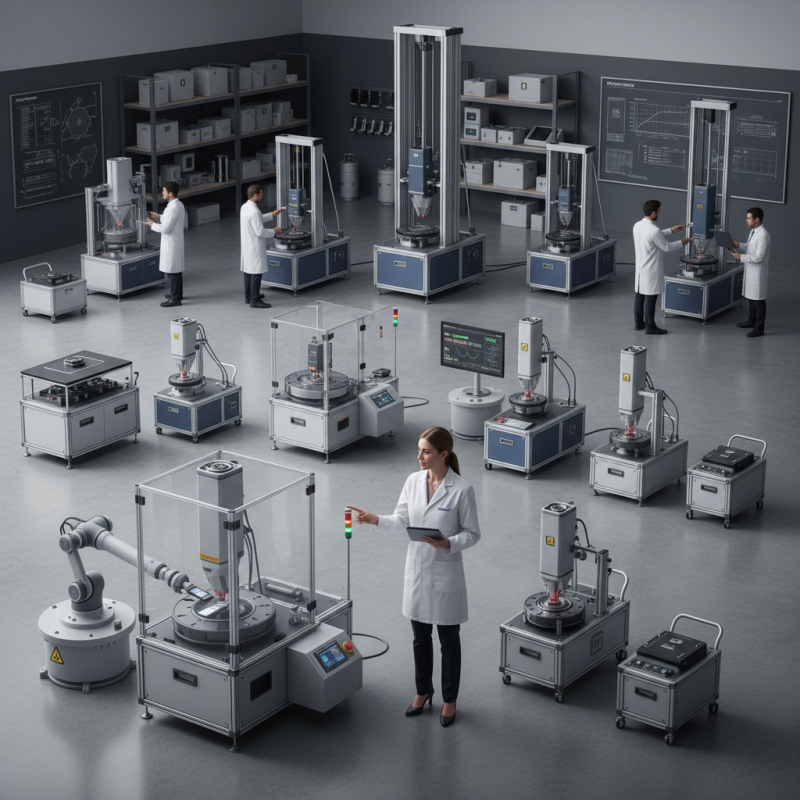
Top 10 Drop Test Equipment for Quality Assurance and Reliability?

Top 10 Drop Test Equipment for Quality Assurance and Reliability

When evaluating drop test equipment for quality assurance, key factors come into play. The primary goal is to assess product durability through realistic impact simulations. Various types of machines can simulate different heights and surfaces. This diversity helps to test a range of products, ensuring they can withstand drops from multiple angles.

Precision in testing is vital. Equipment should allow for adjustments in drop height, weight, and material type. It's worth noting that some setups can be overly complex, leading to potential user errors. Incorrect settings might provide misleading results. Regular maintenance is also crucial. Instruments can drift over time and require recalibration for precise measurements.

User training plays a significant role in effective testing. Operators need thorough understanding of the equipment. They should know how to interpret results critically. That's where the challenge lies. Many users rely too heavily on technology and overlook the importance of manual checks. Fostering a culture of careful observation can elevate the reliability of the process. Each test is an opportunity for improvement, both in equipment and operator skills.

Top 10 Drop Test Equipment for Quality Assurance and Reliability

Equipment Name Drop Height (m) Weight Capacity (kg) Test Standards Features
Model A 1.5 50 ASTM D5276 Digital Measurement, Automatic Release
Model B 2.0 75 IEC 60068-2-32 User-friendly Interface, Data Logging
Model C 1.2 60 MIL-STD-810G Portable, High Precision
Model D 2.5 80 ISO 24497 Multi-Drop Configuration
Model E 1.0 40 ASTM D5276 Compact Design, Easy Setup
Model F 3.0 100 IEC 60068-2-32 Heavy Duty, Adjustable Settings
Model G 1.8 70 MIL-STD-810G Customizable Drop Profiles
Model H 2.2 90 ISO 24497 High Impact Resistance
Model I 1.5 55 ASTM D5276 Automated Testing Cycle
Model J 2.0 85 IEC 60068-2-32 Advanced Sensors, Remote Monitoring

Importance of Drop Testing in Product Development and Safety Standards

Drop testing is a critical step in product development. It evaluates how well a product can withstand shocks and impacts during real-world use. Ensuring product reliability is not merely a formality; it significantly affects safety standards. A failure in this aspect can lead to severe consequences, both for consumers and manufacturers.

Implementing drop tests helps identify weak points in design. During the testing process, engineers gain insights into material durability. They can adjust designs proactively, which minimizes costs associated with recalls and damages. A single drop test can reveal issues invisible during regular inspections.

Tips: Always conduct multiple tests at different heights. This variation provides a clearer picture of potential weaknesses. Additionally, document every outcome meticulously. This practice fosters a culture of continuous improvement.

Incorporating drop testing within the development stages can greatly enhance product safety. It addresses potential risks that may not be immediately obvious. Relying solely on simulated data can be misleading. Real-world conditions vary immensely, making practical testing indispensable.

Key Features to Consider in Drop Test Equipment Selection

When selecting drop test equipment for quality assurance, several key features are essential. The equipment should accommodate various test heights and weights, ensuring it can simulate real-world conditions effectively. Look for adjustable drop heights to test different product tolerances. A robust frame adds stability and reliability during tests.

Tips: Consider how easy it is to set up the equipment. User-friendly designs save time and reduce errors. A clear display for tracking data helps in accurate recording.

Another critical feature is the data analysis capability. Some equipment offers integrated software for detailed reporting and trend analysis. This is valuable for identifying weaknesses in product design. Ensure that the equipment can connect to other devices for seamless data transfer.

Tips: Regularly review test results. Analyzing trends can reveal recurring issues. This reflection helps in enhancing product durability over time. Choose equipment that encourages ongoing quality improvement.

Industry Standards and Regulations Governing Drop Testing Procedures

Top 10 Drop Test Equipment for Quality Assurance and Reliability?

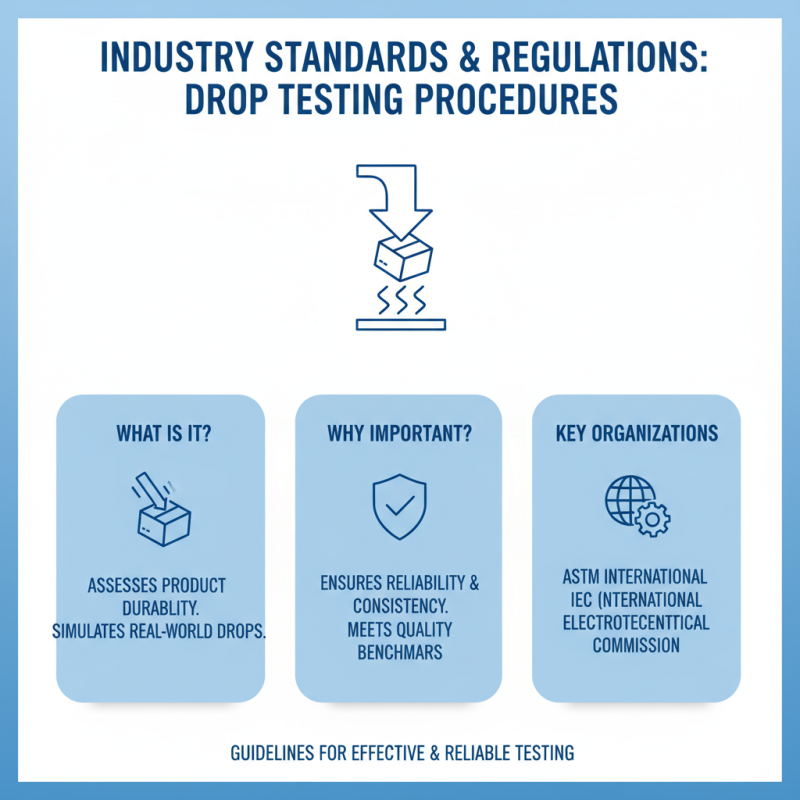
Drop testing is crucial for assessing the durability of products in various industries. Adhering to industry standards and regulations is essential for effective drop testing. Organizations like ASTM International and IEC provide guidelines that set benchmarks for drop testing procedures. These standards ensure the consistency and reliability of testing methods across different sectors.

According to a 2022 report by the International Organization for Standardization (ISO), over 30% of product failures during consumer use are due to inadequate drop resistance. This highlights the need for rigorous testing. Companies often rely on drop test equipment that meets these industry standards to evaluate product robustness. They also seek to conduct tests that replicate real-world conditions, enhancing the relevance of their findings.

However, there is an ongoing challenge. Not all manufacturers fully understand or comply with these regulations. A significant percentage may overlook the importance of following the outlined processes. This inconsistency can lead to discrepancies in test results. Implementing a structured approach to drop testing is vital for improved quality assurance and product reliability.

Comparative Analysis of Leading Drop Test Equipment Brands and Models

When assessing drop test equipment, the comparative analysis of brands reveals significant performance variations. Leading market studies indicate that equipment must meet rigorous industry standards, typically surpassing a 95% failure rate correlation in real-world testing scenarios. A well-structured drop test setup simulates various heights and conditions, which is crucial for producing reliable results.

Quality assurance demands more than just functionality; many tests reveal that user-friendly interfaces increase operator efficiency by up to 30%. Some models only last through 100 cycles before showing significant wear. Regular maintenance can prolong equipment lifespan but often goes overlooked.

Data emphasizes the importance of calibrating equipment frequently. A drop test apparatus that is uncalibrated can yield misleading results, making it appear more reliable than it truly is. Many brands fail to address this issue adequately. In an environment where product reliability directly affects customer satisfaction, these oversights cannot be ignored. An informed selection based on thorough analysis will yield much better outcomes.

Conclusion

The article "Top 10 Drop Test Equipment for Quality Assurance and Reliability" delves into the critical role of drop testing in ensuring product safety and compliance with industry standards. It outlines the significance of selecting the appropriate Drop Test Equipment, emphasizing key features such as precision, robustness, and versatility. Additionally, the article examines the various regulations that govern drop testing procedures, ensuring products meet safety benchmarks.

Furthermore, a comparative analysis of leading Drop Test Equipment provides insights into the best models available on the market, while also highlighting emerging technologies and innovations that are shaping the future of drop testing. This comprehensive overview serves as a valuable guide for manufacturers aiming to enhance product reliability and adhere to safety standards through effective drop testing methodologies.