How to Use a Double-Wing Drop Tester for Accurate Package Testing?
In the realm of packaging testing, the “Double-Wing Drop Tester” stands out for its precision and reliability. According to Dr. Emily Carter, a leading expert in packaging science, "Effective testing is essential for ensuring product safety during transit." Her insights highlight the importance of rigorous testing methods.
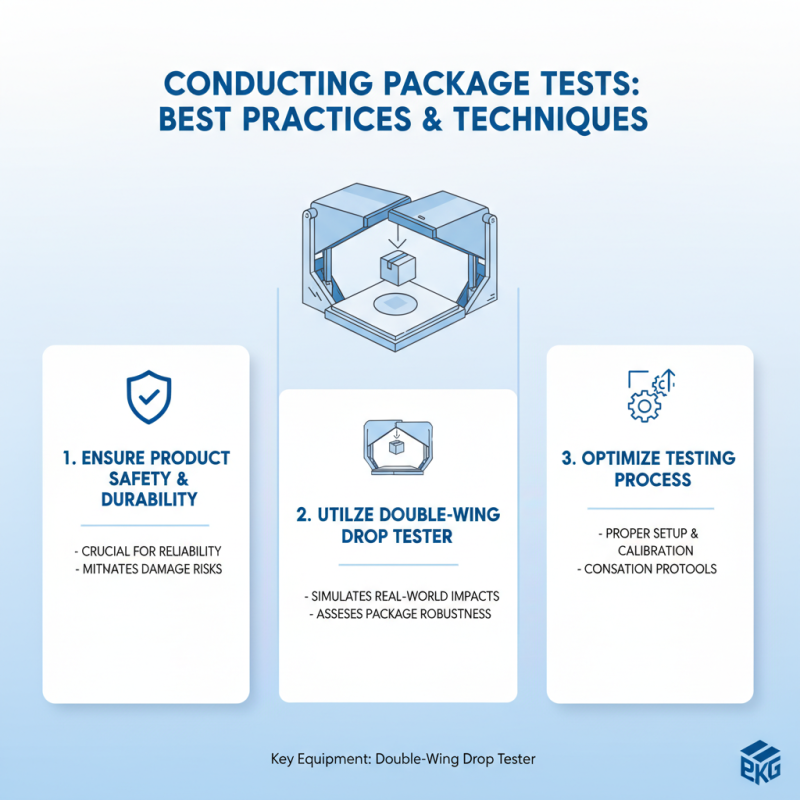
The Double-Wing Drop Tester simulates the impact that packages endure during transport. This machine allows for controlled drops from various heights and angles. By understanding these impacts, companies can better protect their products. However, the testing process is not foolproof. Improper setup can lead to misleading results, which may harm quality control efforts.
Testing packages is a critical step that cannot be overlooked. Companies must invest in reliable equipment like the Double-Wing Drop Tester to ensure accuracy. Despite its advantages, many users struggle with calibration and understanding the testing parameters. Continuous training and experience are crucial to gaining the full benefits of this testing method.
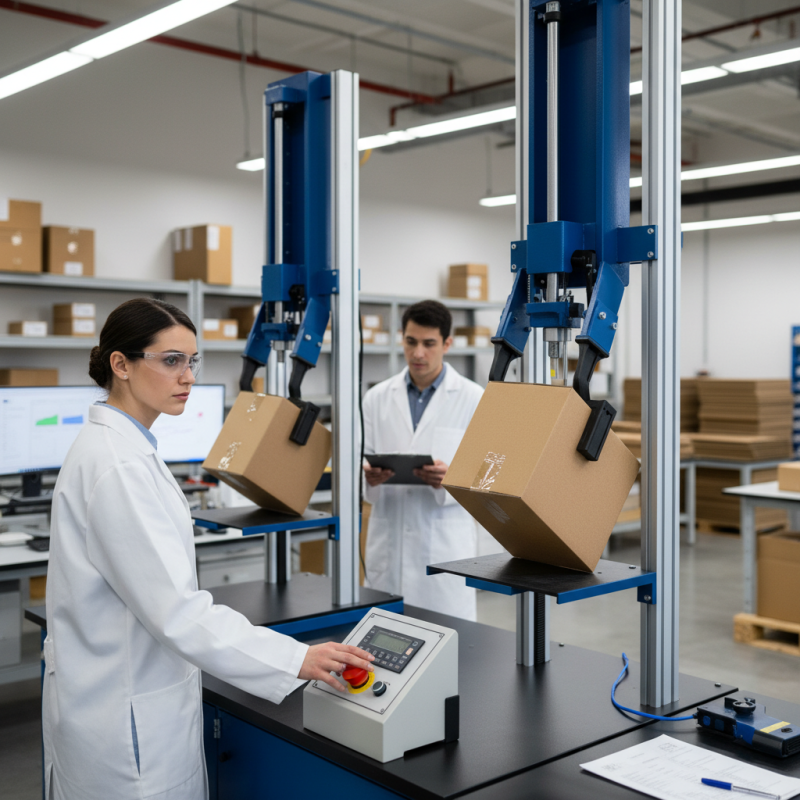
Understanding the Double-Wing Drop Tester and Its Functionality
The Double-Wing Drop Tester is a vital tool in package testing. It simulates real-world shipping conditions by dropping packages from different heights. This device helps determine how well a package can withstand falls. Understanding its functionality is crucial for manufacturers and quality control teams.
When using the tester, ensure proper calibration. An incorrectly calibrated machine can lead to misleading results. Test packages must be prepared according to standard specifications. Each test should mimic actual shipping environments. This enhances reliability in your findings.
Tips: Always check the tester after several uses. Wear and tear can affect accuracy. Also, document the results carefully. Patterns in damage can reveal weaknesses in packaging design. Testing is an ongoing process. Continual assessment can help improve package performance over time.
Key Components and Features of a Double-Wing Drop Tester
The double-wing drop tester is an essential tool for package testing. Its key components include a robust frame, adjustable drop heights, and a reliable release mechanism. The frame stabilizes the package during tests, ensuring consistent results. Adjustable heights provide flexibility in testing various package types, mimicking real-life scenarios effectively.
When using the tester, observe the drop angle. A consistent angle ensures accurate results. Additionally, consider the surface material where the package lands. Different materials yield different impact results. Understanding these variables will enhance your testing accuracy.
Tips for effective testing: always inspect the package after each drop. Look for signs of damage or stress points. Document these findings to track patterns over time. This data is crucial for improving package design. Remember, testing is an iterative process. Achieving perfect results isn’t always possible, so be ready to adapt your approach. Regular reviews of your method can lead to better outcomes.
Step-by-Step Guide to Setting Up the Double-Wing Drop Tester
Setting up a Double-Wing Drop Tester ensures that packages can withstand the rigors of shipping. Accurate testing can prevent costly damages. Research from the International Safe Transit Association (ISTA) indicates that nearly 20% of products suffer damage in transit. Implementing a testing protocol is crucial.
To begin, select an area with ample space. The tester should be on a stable surface. Position the package at the appropriate height. Ensure that it is securely fastened to avoid any movement during testing. The drop height should mimic real-world scenarios. Standard drop heights often range from 30 to 48 inches, depending on the product type.
After positioning, monitor the drop test closely. Take notes on how the package performs. Look for signs of stress, breakage, or deformation. Although a first test may yield acceptable results, repeating the process can reveal weaknesses. Industry statistics show that about 15% of packages fail after multiple drops. Analyzing the data collected helps to improve packaging design. Consider revising your approach based on these findings. Continuous reflection and adjustment are key to achieving reliable packaging solutions.
Analyzing Test Results and Ensuring Package Integrity
In the realm of package testing, analyzing results accurately is crucial. The Double-Wing Drop Tester simulates real-world shipping conditions. This device can drop packages from various heights, revealing potential vulnerabilities. A report by the International Safe Transit Association highlights that 30% of packages are damaged during transit. Understanding these failure points can improve package design and protect contents.
After testing, reviewing data is essential. Key metrics include impact force and drop height. For instance, a study indicated that packages dropped from 36 inches had a 50% higher damage rate than those dropped from 24 inches. This reflects the importance of adjusting packaging materials to withstand significant impacts. However, interpreting these results isn't always straightforward. Variability in package strength can lead to inconsistent data.
Testing environments are critical. Factors like temperature and humidity can alter outcomes. Companies may struggle to replicate real conditions, which can skew results. It's vital to consider these variables for accurate assessments. Systematic testing combined with careful analysis ensures package integrity, ultimately reducing damage and costs. Understanding the nuances of each test result is essential for ongoing improvement.