China Best Altitude Simulation Chamber Technology and Applications?
The Altitude Simulation Chamber is a vital technology in today’s aerospace and environmental research fields. These chambers reproduce high-altitude conditions, essential for testing materials and equipment. By simulating low pressure and low oxygen levels, they help ensure reliability and performance.
In China, advancements in Altitude Simulation Chamber technology have shown promising results. Local manufacturers are developing sophisticated chambers that feature precise control systems. These innovations enhance testing accuracy for various applications, from aviation to military operations. However, the market faces challenges in standardization and regulatory compliance.
Experts emphasize the need for ongoing research and development. The quest for greater efficiency and effectiveness in Altitude Simulation Chambers continues. While progress is evident, the industry must reflect on areas needing improvement. Adapting to new technologies and meeting international standards remains a crucial task.
China's Leading Altitude Simulation Chamber Technology
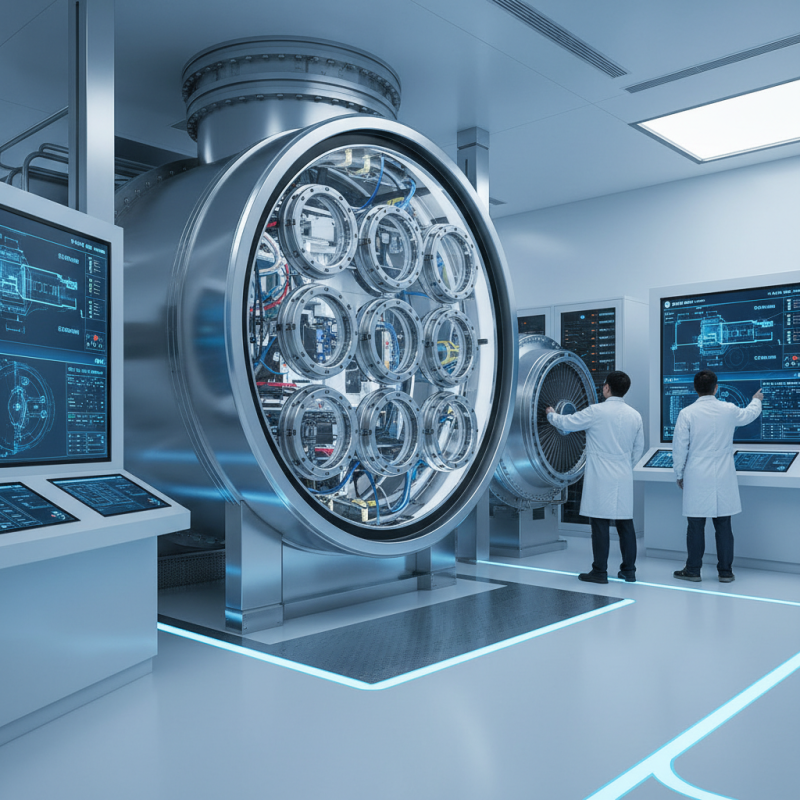
China is at the forefront of altitude simulation chamber technology. These chambers replicate high-altitude conditions for research and testing. They are crucial for aerospace, sports science, and medical fields. According to a recent industry report, the market for altitude simulation systems in China is expected to grow at a compound annual growth rate of over 10% through 2025.
The leading technologies focus on precise control of pressure, temperature, and oxygen levels. Each chamber is designed for specific applications, ensuring reliability in testing environments. For example, researchers can simulate conditions similar to those at altitudes beyond 5,000 meters. This enables extensive studies on human performance and equipment durability under high-stress conditions.
Tip: When considering altitude simulation, always evaluate the chamber’s calibration and maintenance records. Small deviations can lead to significant data inaccuracies.
Furthermore, the implementation of these chambers should consider energy efficiency. As the demand rises, sustainable designs are becoming critical. Manufacturers are exploring innovative materials and energy-saving technologies. However, some challenges remain, like the high initial setup costs of these advanced systems. Continuous improvement in design and operation is essential for making these technologies more accessible.
Tip: Regular upgrades to technology can enhance performance. Staying informed about advancements is key to maximizing chamber efficiency.
Key Features of Altitude Simulation Chambers in China
Altitude simulation chambers in China showcase advanced technology designed for various applications. These chambers replicate conditions found at high altitudes, making them valuable in multiple fields. Researchers can study human physiology under low oxygen settings. This helps in understanding altitude sickness and improving athlete training. The chambers also support aerospace and military training programs.
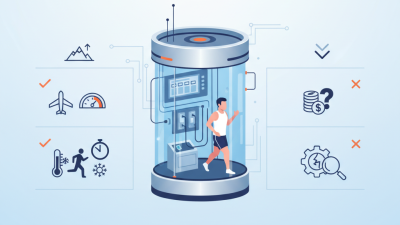
Key features of these chambers include precise control over altitude, temperature, and oxygen levels. Many chambers can simulate altitudes of up to 25,000 feet. They incorporate advanced monitoring systems to track physiological responses. The importance of calibration cannot be overstated. Regular checks ensure that the environments mimic real altitude conditions accurately. However, discrepancies can occur, leading to less effective trials.
The durability of these chambers is also crucial. They must withstand rigorous use while maintaining performance. Many designs are energy-efficient, reducing operational costs. Yet, concerns about long-term maintenance and technical support persist. Finding skilled professionals to ensure functionality is a frequent issue. Balancing reliability with innovation remains a challenge in the development of altitude simulation technology in China.
China Best Altitude Simulation Chamber Technology and Applications
| Feature |
Description |
Application |
Typical Use Cases |
| Altitude Range |
Simulates altitudes from sea level up to 10,000 meters. |
Aerospace Testing |
Aircraft component validation, satellite equipment. |
| Temperature Control |
Maintains temperatures from -40°C to +70°C. |
Material Testing |
Study of materials under extreme conditions. |
| Humidity Control |
Ranges from 10% to 95% humidity. |
Electronic Component Testing |
Testing robustness of electronics against humidity. |
| Data Logging |
Real-time data collection and monitoring. |
Research and Development |
Analysis of results for product improvements. |
| Safety Features |
Integrated safety alarms and emergency protocols. |
Laboratory Use |
Ensures researcher safety during operations. |
Applications of Altitude Simulation Chambers Across Various Industries
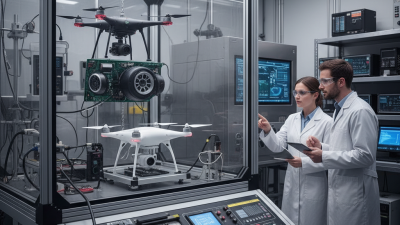
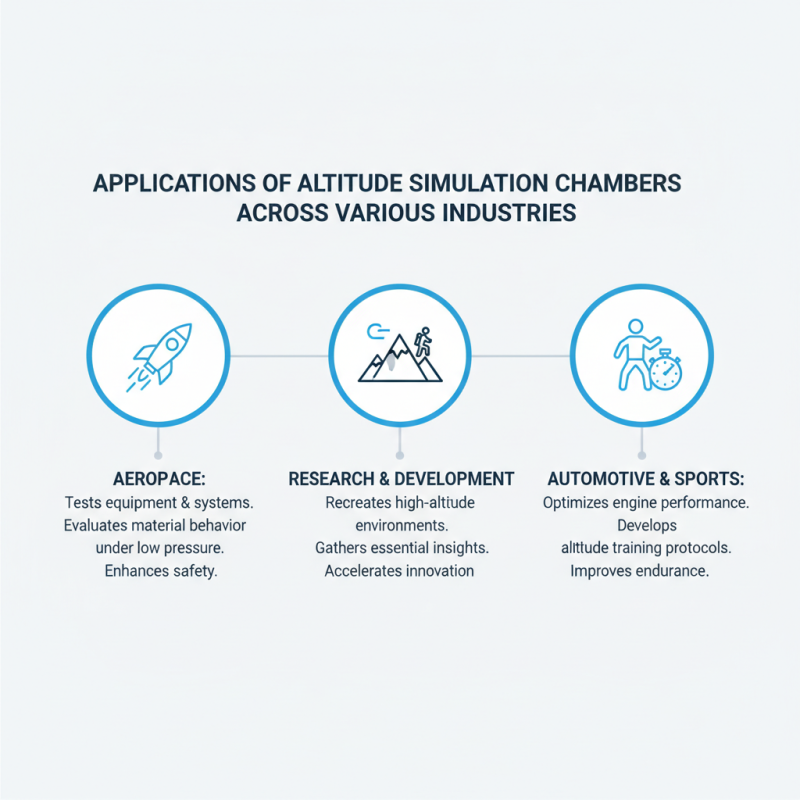
Altitude simulation chambers have become vital in various industries. These chambers recreate high-altitude environments, providing essential insights for research and development. In aerospace, they are crucial for testing equipment and systems under extreme pressure. Engineers can evaluate how materials behave at high altitudes. This process reveals potential failures, helping to enhance safety and efficiency.
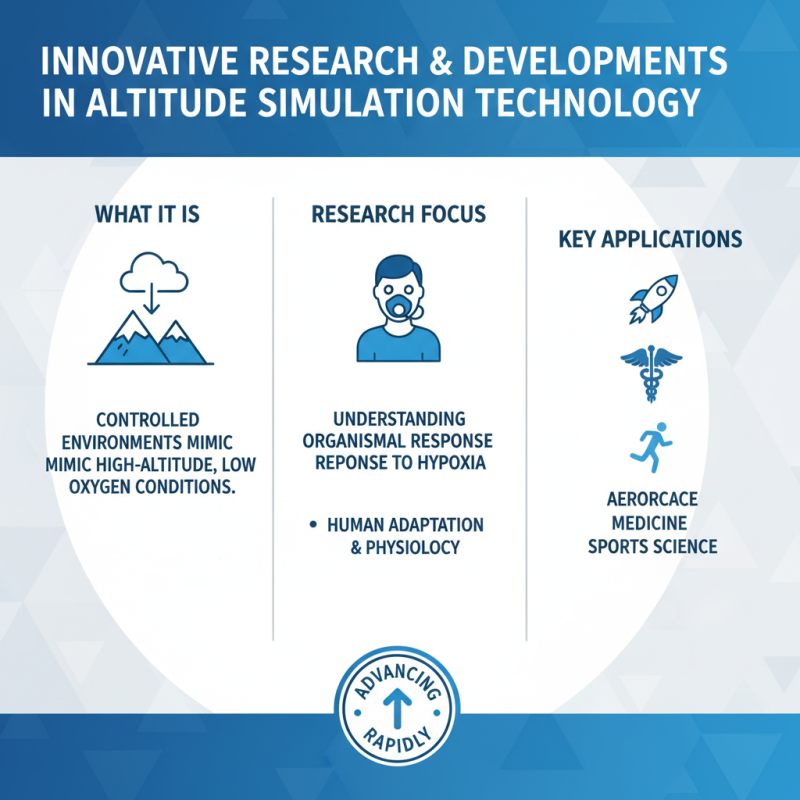
In the medical field, altitude simulation chambers assist in studying the effects of reduced oxygen levels. Researchers use them to better understand hypoxia and its impact on the human body. They help in developing training programs for athletes preparing for high-altitude events. However, the challenge lies in ensuring these simulations accurately mirror real-life conditions.
Automotive industries also benefit from these chambers. Testing vehicles under altered atmospheric conditions is vital for enhancing engine performance. Engineers observe how cars react to low air pressure and temperature shifts. This data leads to improved designs and functionality. Yet, the challenge is in calibrating these chambers correctly. Small errors can lead to misleading results, emphasizing the importance of precision in simulations.
Future Trends in China's Altitude Simulation Chamber Market
The future of altitude simulation chambers in China is promising. These chambers are crucial for aerospace, military, and sports industries. Increasing demand for testing environments mimicking high altitudes drives innovation. Advanced technology enables better performance testing for aircraft and space missions.
Current trends show a rise in demand from research institutions and military applications. There is a growing focus on user-friendly interfaces and improved energy efficiency. However, the industry must address some challenges. The cost of maintenance and operation can be high. Ensuring the accuracy and reliability of these chambers remains a priority. This could impact investment decisions in the future.
Moreover, regulatory standards play a key role. Compliance with safety and performance standards can slow down developments. Nevertheless, as technology improves, adaptability to various industries is crucial. Ensuring the chambers can serve different applications will broaden their market potential. As research continues, the altitude simulation chamber market in China is likely to evolve and expand significantly.