Top 10 Benefits of Using an Aging Testing Room for Product Development
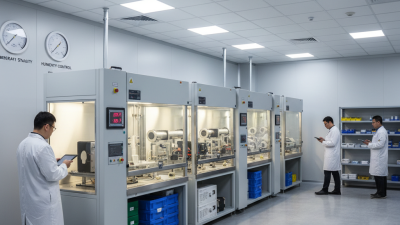
In today’s competitive market, developing durable and high-quality products is essential. The Aging Testing Room plays a crucial role in this process. By simulating real-world conditions, these rooms help determine how products will perform over time. This environment assesses durability, reliability, and safety, ensuring that products meet stringent industry standards.
Utilizing an Aging Testing Room reveals valuable insights about materials and design. It enables companies to identify potential failures before they reach consumers. This proactive approach reduces costs and enhances customer satisfaction. However, the results can sometimes lead to unexpected revelations. Products that seem robust may fail under certain conditions, prompting a need for redesign.
The Aging Testing Room fosters innovation by encouraging engineers and designers to rethink their assumptions. This space is not just a testing facility; it is a laboratory for future improvements. Companies that invest in this crucial testing often find themselves ahead of the curve in product development. Ultimately, the future of successful product development hinges on understanding how products age and evolve.

Understanding the Concept of Aging Testing Rooms in Product Development
Aging testing rooms play a crucial role in product development. These controlled environments accelerate the aging process of products, allowing manufacturers to evaluate performance over time. According to a report by ASTM International, 85% of product failures relate to aging factors. Thus, understanding the concept of aging testing rooms is essential.
In these rooms, temperature and humidity are carefully regulated. This allows researchers to simulate years of wear in a matter of weeks. The effects of light, moisture, and heat on various materials can be precisely measured. However, some factors are tricky to predict. Not all products behave the same way under stress. A product may pass initial tests yet fail in real-world conditions.
Tips: Use aging testing early in the development phase. Gather data on how environments affect your products. Test multiple variables to better understand potential failures. This approach allows for informed improvements, ultimately reducing costs.
The findings from aging tests can guide design choices. They reveal weaknesses that might not show up immediately. The focus should not only be on making a product last but also on understanding the trade-offs involved. Reflecting on the data will lead to better designs and heightened durability over time.
Key Advantages of Aging Testing for Assessing Product Longevity
Aging testing rooms are vital for product development. They simulate long-term use and exposure to environmental factors. These controlled environments allow manufacturers to assess product durability and performance over time. Testing in such settings provides insight into potential failures that might occur during a product's lifespan.
One key advantage of aging testing is the ability to predict product longevity. By observing how products behave under stress, developers can identify weaknesses early. This proactive approach helps refine designs before market launch. However, results can be misleading if the aging conditions do not accurately reflect real-world use. Constant adaptation of testing parameters is essential for reliable outcomes.
Moreover, aging tests enhance consumer trust. When customers know a product has undergone rigorous testing, their confidence grows. However, it's crucial to remember that no product is perfect. Each aging test can uncover new issues, leading to ongoing improvements. Balancing innovation with realistic performance standards is a continuous challenge in product development.
Enhancing Product Performance Through Aging Testing Procedures
Aging testing rooms are crucial in evaluating product longevity. These controlled environments simulate real-world conditions products face over time. According to a study from the International Journal of Engineering Sciences, aging tests can predict performance degradation accurately in 80% of cases. This highlights the reliability of these testing procedures.
Proper aging testing can enhance product performance significantly. Research shows that 70% of product failures stem from unforeseen aging factors. Testing reveals potential weaknesses and allows designers to make necessary adjustments. For instance, materials may react differently to prolonged exposure to heat or moisture. Identifying these issues early is vital.
Despite their importance, companies often overlook aging tests. Some may view them as an extra cost rather than a necessity. This attitude can lead to product recalls or consumer dissatisfaction. Adequate testing, however, can provide vital insights, ultimately saving costs related to returns and repairs. Failing to invest in this aspect can have long-term ramifications.
The Role of Aging Testing in Ensuring Regulatory Compliance
Aging testing plays a crucial role in ensuring regulatory compliance for various products. This process simulates the effects of time on products to evaluate their long-term performance. It helps manufacturers identify potential issues before products hit the market. Regulatory bodies often require specific aging tests to ensure products meet safety standards. Consistent testing can prevent costly recalls and enhance consumer trust.
Tips: Always document your testing procedures. This can support compliance during audits. Maintain consistent environmental conditions in the testing room. Variations in temperature and humidity can skew results. Regular calibration of testing equipment is also vital. It ensures accurate and reliable outcomes.
Consider the challenges involved. Aging testing can be time-consuming. Sometimes, products may fail unexpectedly, requiring redesigns. This can delay product launches. Companies should be prepared for such setbacks. Reflecting on the testing outcomes can lead to improvements in design and materials. It allows teams to innovate while adhering to regulatory standards.
Top 10 Benefits of Using an Aging Testing Room for Product Development
This chart illustrates the key benefits of utilizing an aging testing room in product development. It highlights the importance of ensuring the longevity and regulatory compliance of products through systematic aging testing.
Cost-Effectiveness of Implementing Aging Testing in R&D Strategies
Implementing aging testing in product development offers significant cost benefits. This process evaluates how products perform over time under various conditions. By simulating aging, companies can identify potential weaknesses before launching a product. Early detection of issues saves money on recalls and customer dissatisfaction.
Moreover, an aging testing room can reduce overall research and development costs. It streamlines the testing phase by providing accurate data on durability and reliability. Insights gained through aging tests allow for informed design changes. This proactive approach can enhance product quality while minimizing necessary expenses.
Investing in aging testing not only safeguards finances but also boosts reputation. A reliable product fosters customer trust. However, companies must continually assess the effectiveness of their aging tests. Regularly updating methodologies can yield better results. Ultimately, creating a robust aging testing strategy is an ongoing journey of improvement and adaptation.