Best Altitude Test Chamber for Global Buyers?
Choosing the right Altitude Test Chamber is crucial for various industries. These chambers simulate high-altitude conditions to ensure product reliability. From aerospace to automotive, many sectors rely on them. Buyers face challenges in understanding the best options available.
Research is key to finding a suitable chamber. You want a unit that meets specific needs. Consider factors like temperature range, pressure capabilities, and chamber size. It's not just about functionality; user experience matters too. Reviews and testimonials provide insights into reliability and ease of use.
An ideal Altitude Test Chamber combines precision and performance. However, not every model performs as expected. Some chambers may lack consistent pressure stability. This aspect could compromise testing outcomes. Being aware of these imperfections allows informed decisions. Ultimately, careful evaluation is essential for global buyers seeking the best solutions.
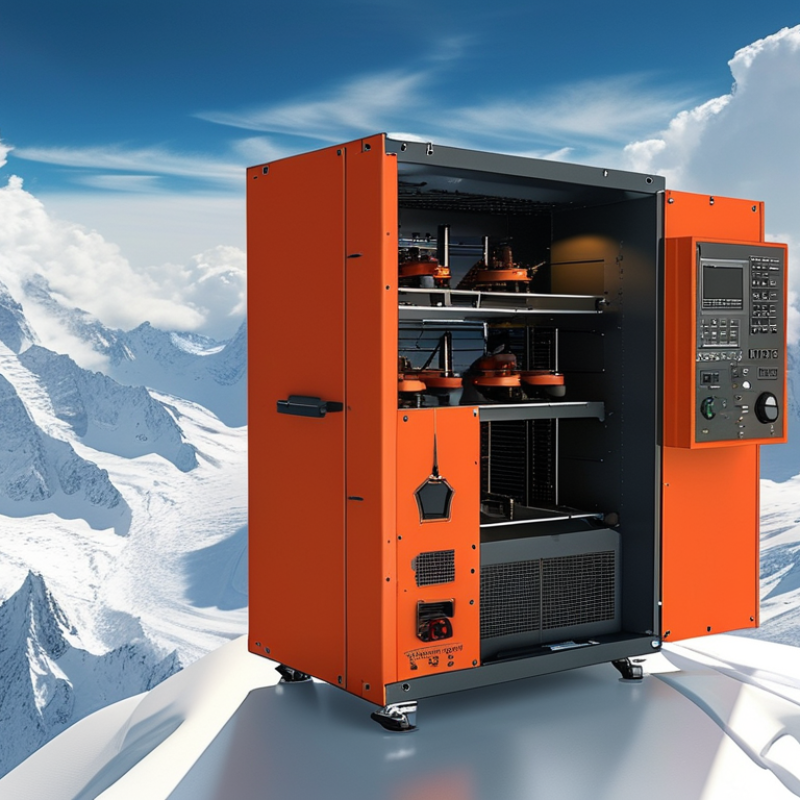
Understanding Altitude Test Chambers and Their Applications
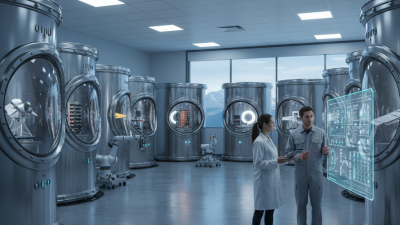
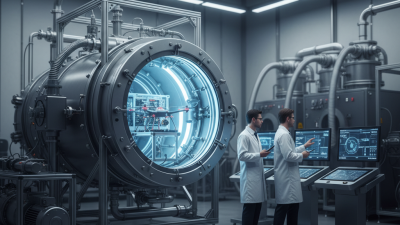
Altitude test chambers play a crucial role in testing the performance of products under simulated high-altitude conditions. These chambers allow manufacturers to evaluate how their products react to decreased atmospheric pressure and oxygen levels. This is especially vital for industries like aerospace and automotive, where performance at altitude can significantly impact safety and functionality. The ability to replicate altitude environments accurately is a hallmark of quality test chambers.
Several applications benefit from altitude testing. For instance, electronic devices must function reliably at different elevations. Engineers often subject new technology to these tests to ensure durability. Similarly, food and beverage companies explore how packaging performs in thin air. They analyze how products react, making necessary adjustments for optimal safety and quality. However, the challenge lies in ensuring the accuracy of the test conditions. Variations in temperature and humidity can affect results. Designing a testing setup that controls these variables is an ongoing area of improvement.
Key Features to Consider When Selecting an Altitude Test Chamber
When selecting an altitude test chamber, several key features must be evaluated. Temperature range is crucial. The chamber should operate effectively under varied conditions. An expansive range allows for comprehensive testing. Consider pressure capabilities as well. The chamber must simulate diverse altitudes. This requires precise pressure controls for accurate results.
Another important aspect is size. Ensure the chamber fits your equipment comfortably. A small chamber may restrict testing. It can also lead to inaccurate results due to space constraints. Look for ease of use. Intuitive controls can enhance efficiency, decreasing setup time.
Durability is essential too. The materials should withstand the rigors of testing. Cost is always a factor. Seek a balance between quality and budget. Investing in a reliable chamber pays off in the long run. Remember, a perfect solution might not exist. Continuous improvements in technology can impact your choices. Validating your selection through testing is vital.
Best Altitude Test Chamber for Global Buyers? - Key Features to Consider When Selecting an Altitude Test Chamber
| Feature |
Description |
Importance |
Typical Range |
| Altitude Range |
The range of altitudes the chamber can simulate. |
High |
0 to 100,000 feet |
| Temperature Control |
Ability to maintain specific temperatures during testing. |
High |
-70°C to +180°C |
| Humidity Control |
Capability to regulate humidity levels in the chamber. |
Medium |
10% to 95% RH |
| Size and Capacity |
Dimensions and volume of the test chamber. |
Medium |
Up to 2500 liters |
| Power Supply |
Type of power supply required for operation. |
High |
220V or 110V |
| Data Logging |
Capability to record test data for analysis. |
Medium |
Automatic or Manual |
| Safety Features |
Incorporation of safety measures during testing. |
High |
Emergency stops, alarms |
Comparison of Top Altitude Test Chambers in the Global Market
When exploring altitude test chambers, potential buyers should prioritize key features. These include
chamber size,
temperature control, and
altitude range. A reliable chamber provides consistent conditions, which is vital for testing product durability and performance at various altitudes.
Tips: Check the specifications carefully. A chamber that cannot simulate specific conditions may lead to inaccurate testing. Consider the user interface too. An intuitive interface enhances operational efficiency.
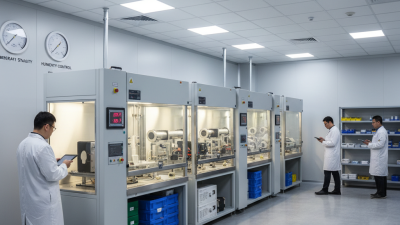
Comparing altitude test chambers involves analyzing their build quality and reliability. Research the materials used in their construction. Many chambers feature insulation that helps maintain precise internal environments. Look for options with advanced monitoring systems. They can provide real-time data and alerts during testing.
Tips: Always seek feedback from current users about their experiences. This can reveal potential issues or advantages not covered in specifications. Also, reflect on calibration frequency. Regular calibration ensures accuracy and reliability in testing results.
Importance of Calibration and Maintenance for Test Accuracy
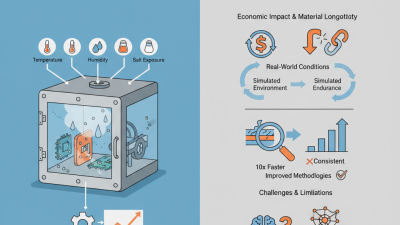
Calibration and maintenance are critical for the accuracy of altitude test chambers. Without proper calibration, results can be misleading. This can lead to poor product development and potential failures in real-world applications. Test chambers must mimic high-altitude conditions accurately. Regular checks ensure that the system responds as expected under various pressures and temperatures.
Maintenance goes beyond simple repairs. It's about preserving the integrity of the equipment. Dust, moisture, and temperature fluctuations can affect the chamber's performance. A thorough maintenance plan should include cleaning and component checks. Technicians should identify issues before they escalate. Neglecting these aspects can compromise data quality, leading to costly repercussions.
Investing in ongoing training for staff is equally essential. Knowledgeable personnel are better equipped to handle calibration and maintenance tasks effectively. They can recognize discrepancies and respond promptly. Test accuracy hinges on both the technology and the people operating it. Regular training sessions can enhance team competence. They foster a culture of reliability and attention to detail.
Calibration and Maintenance Impact on Test Accuracy
Future Trends in Altitude Testing Technology and Innovations
In the realm of altitude testing technology, advancements are crucial for industries like aerospace and automotive. Recent reports show that the global altitude test chamber market is projected to grow by over 7% annually through 2027. This growth reflects the increasing demand for more sophisticated testing environments to improve product reliability and performance across various altitudes.
One notable trend is the integration of artificial intelligence in altitude testing systems. AI can analyze data in real-time, enhancing error detection and reducing testing time. Such innovations may lead to predicting potential failures before they occur. However, the challenge remains in ensuring that AI models are accurate and reliable. This requires rigorous validation against historical data and real-world scenarios.
Moreover, energy efficiency is becoming a key focus. Modern altitude test chambers now incorporate sustainable practices, like energy recovery systems, which can lower operational costs. However, this transition is not without obstacles. For many companies, the upfront investment can be daunting. Balancing cost with innovation will require careful consideration from stakeholders. As the industry evolves, maintaining reliability amid these changes is a pressing concern.