Top 10 Benefits of Using a Drop Testing Machine for Quality Control
In the realm of product quality control, the significance of a Drop Testing Machine cannot be overstated. As industry expert Dr. Emily Jackson remarks, "Effective testing ensures that products can withstand the rigors of transportation and use." This perspective aligns with an increasing reliance on drop testing to enhance product reliability.
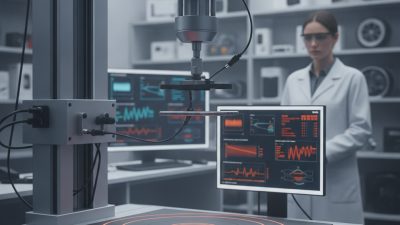
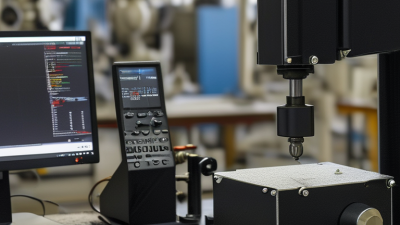
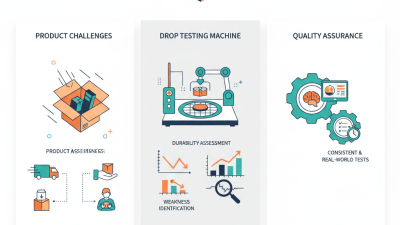
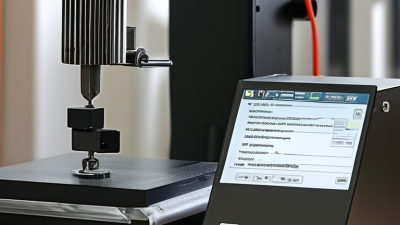
A Drop Testing Machine evaluates how well products endure impacts and drops. By simulating real-world conditions, it identifies potential weaknesses. This machine is vital for businesses seeking to protect their reputation and reduce costs associated with damaged goods. Many manufacturers have reported improved product durability and performance after implementing drop testing protocols.
However, the path to effective quality control is not without challenges. Some companies may underestimate the need for thorough testing. This can lead to overlooking design flaws that only surface during real-life usage. Implementing a Drop Testing Machine may require an initial investment, but the insights gained can drastically improve product longevity. Embracing this technology is a step towards enhancing consumer trust and satisfaction.

Benefits of Enhanced Product Durability through Drop Testing Machines
Drop testing machines play a critical role in enhancing product durability. They simulate real-world impacts, helping manufacturers identify weaknesses in their designs. By exposing products to controlled drops, engineers can collect data on failure points. This process ensures that items withstand daily wear and tear. Products that successfully pass drop tests often exhibit greater longevity in the market.
When choosing a drop testing machine, consider its weight capacity and drop height. Assess how these features align with your specific product requirements. Also, remember to document each test comprehensively. This data is significant for continuous improvement. Additionally, it allows teams to analyze trends in product failures.
Regular testing promotes a culture of quality within your organization. Engage your design team with the results of the drop tests. This feedback loop can inspire innovative solutions. Encourage an environment where failures drive progress. Ultimately, effective drop testing results in enhanced product durability, safety, and customer satisfaction.
Top 10 Benefits of Using a Drop Testing Machine for Quality Control
Impact of Drop Testing on Reducing Return Rates in Consumer Electronics
In the fast-evolving world of consumer electronics, drop testing machines play a pivotal role in quality control. A recent study found that over 30% of returns occur due to physical damage during use. This alarming statistic highlights the pressing need for rigorous testing protocols. By simulating real-world drops, manufacturers can identify design flaws and enhance durability, ultimately leading to a reduction in return rates.
Reports indicate that companies employing drop testing have seen a decrease in returns by up to 20%. This not only improves customer satisfaction but also significantly reduces the costs associated with returns and replacements. Investing in such machines can protect a brand's reputation. Recognizing the importance of quality assurance is crucial for stay competitive.
Tip: Regularly analyze test results to discover recurring issues. Understanding weak points can guide design enhancements.
Even with advanced testing, challenges remain. Some products may still sustain damage that was not predicted. Continuous improvement is necessary. Every drop test should inform design iterations, pushing for better resilience.
Tip: Keep users informed about care instructions. Sometimes, the fault lies not in the product, but in user handling. Proper education can further reduce returns.
Top 10 Benefits of Using a Drop Testing Machine for Quality Control
| Benefit |
Description |
Impact on Return Rates (%) |
| Improved Product Durability |
Identifies weaknesses in product design, allowing for enhancements. |
15 |
| Enhanced Customer Satisfaction |
Fewer defects lead to higher satisfaction and brand loyalty. |
20 |
| Cost Reduction |
Lower warranty costs and returns due to better quality control. |
10 |
| Faster Time to Market |
Efficient testing speeds up the product development cycle. |
5 |
| Regulatory Compliance |
Ensures products meet safety and quality standards. |
8 |
| Better Product Design |
Facilitates iterative design changes based on testing outcomes. |
12 |
| Competitive Advantage |
Higher quality products result in a stronger market position. |
18 |
| Increased Brand Reputation |
Reliable products build a positive brand image. |
25 |
| Data-Driven Decision Making |
Improves development based on empirical usage data. |
14 |
| Minimized Product Recalls |
Testing reduces the likelihood of costly product recalls. |
22 |
Data-Driven Insights: Correlation between Drop Testing and Quality Standards
Drop testing machines play a crucial role in ensuring product durability. By simulating real-world drops, these machines generate valuable data. This data reveals how products will perform under stress. Understanding this correlation between drop tests and quality standards is essential for manufacturers.
Quality control relies heavily on data-driven insights. The drop test results provide measurable metrics that highlight weaknesses in design. These insights lead to informed decisions about material selection and product refinement. Even small improvements can make a significant difference in product lifespans and customer satisfaction.
However, relying solely on drop testing may lead to complacency. Some firms may overlook other critical aspects of product quality. Human judgment still matters, and a machine cannot replace it. Blending machine data with expert analysis fosters a comprehensive quality control approach. Balancing technical data and human insight creates a robust strategy for product excellence.
Cost Savings Achieved by Preventing Damage through Reliable Testing
Using a drop testing machine can significantly enhance quality control. Companies can save money by identifying product weaknesses early. This proactive approach reduces the chances of returns and complaints.
Reliable testing helps prevent damage during shipping. It ensures products can withstand the rigors of transport. A machine accurately simulates various drop conditions. For instance, it can replicate actual scenarios products might encounter. This precision is crucial for developing better packaging and improving overall product durability.
While investing in advanced testing systems may seem costly, the long-term savings can be substantial. Fewer damages mean less waste and lower replacement costs. Quality control becomes more efficient. However, not all companies utilize these machines effectively. Some might skip necessary tests, leading to unforeseen issues later. Investing in a drop testing machine can be a game changer, but it must be done thoughtfully.
Role of Drop Testing in Meeting Regulatory Compliance for Packaging Safety
Drop testing is crucial for ensuring packaging safety. It simulates real-life conditions, helping manufacturers evaluate how their products will perform during transport. This method identifies weaknesses in packaging materials. It provides insight into durability, which is essential for meeting safety standards.
Meeting regulatory compliance is mandatory for all manufacturers. Regulatory bodies require that packaging withstand certain drop heights. Failing these tests can result in serious safety issues. Products may be damaged, leading to recalls and financial losses. Companies must invest in drop testing machines to systematically assess their packaging effectiveness.
Some companies overlook the importance of thorough testing. Rushing this process can lead to oversight. It's essential to recognize that compliance is not just about checking boxes. Engaging in detailed testing can uncover unforeseen vulnerabilities. This proactive approach helps mitigate risks in the long run, fostering consumer trust and safety.