How to Choose the Best Drop Testing Machine for Your Needs?
Choosing the best Drop Testing Machine for your needs can be a daunting task. As an expert in the field, Dr. Emily Carter says, "The right drop testing machine can save you time and enhance product safety." This highlights the importance of selecting a machine that fits specific requirements.
When evaluating a Drop Testing Machine, consider factors such as load capacity and drop height. Not all machines are created equal. Some may excel in certain tests while failing in others. Understanding your testing needs is essential.
In a world where product reliability is key, a Drop Testing Machine should not be an afterthought. Investing time in research and evaluation can lead to better outcomes. Making an informed decision will prevent costly mistakes down the line. A thoughtful approach is crucial for achieving accurate and reliable test results.
Understanding the Purpose of Drop Testing Machines
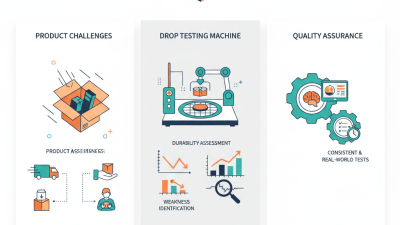
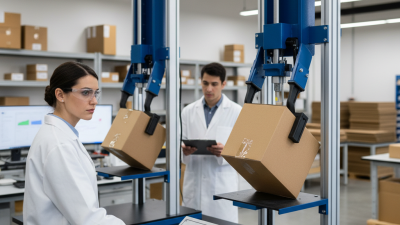
Drop testing machines serve a crucial role in product durability assessment. They simulate real-world falls to evaluate how a product will withstand impact. According to a report by the International Society of Packaging on Protective Packaging, nearly 30% of products sustain damage during shipping. This statistic highlights the importance of reliable drop testing.
The effectiveness of a drop test machine can depend on various factors, including drop height and weight of the test items. For instance, a recent study identified that items dropped from a height of 1 meter showed a 15% higher damage rate compared to those dropped from 0.5 meters. This indicates that drop testing machines must accurately replicate real-world conditions to provide valid results.
While many machines claim high precision, the variability in material and design can lead to inconsistent outcomes. Some reports suggest that test procedures may need adjusting based on specific product types. This area still requires further exploration. Testing without adapting to unique product characteristics can limit the effectiveness of the machine. Understanding these limitations can lead to more informed decisions in selecting the most suitable drop testing equipment.
Drop Testing Machine Comparison
This bar chart displays the impact resistance capacity, measured in kilograms, of four different types of drop testing machines. Each category represents a specific application, helping you understand their capabilities for testing products under various conditions.
Key Features to Consider When Selecting a Drop Testing Machine
When selecting a drop testing machine, certain key features are crucial for ensuring it meets your specific needs. The test height range is essential. Machines vary in their maximum drop height, which can affect the results. Understand the type of products you will test. Make sure the machine can accommodate their size and weight.
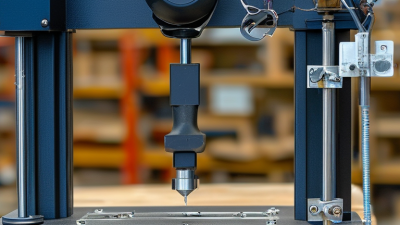
Another important aspect is the machine's drop mechanism. Different machines use various methods to drop items. Some machines have automated systems that ensure precise drop timings. This improves accuracy, but maintenance may be more complex. Consider ease of use as well. A user-friendly interface can save time during setup and operation.
Data recording and analysis features can significantly enhance the testing process. Look for machines that provide real-time data collection. This allows for better analysis and adjustments. While advanced features are appealing, ensure they do not complicate regular use. Strive for a balance between sophistication and simplicity in design. Remember, sometimes less is more when it comes to functionality.
Types of Drop Testing Machines and Their Applications
When selecting a drop testing machine, understanding the types available is crucial. These machines are designed to subject products to controlled drops, simulating real-world impacts. Common types include vertical drop testers and inclined drop testers. Each type offers unique benefits and applications.
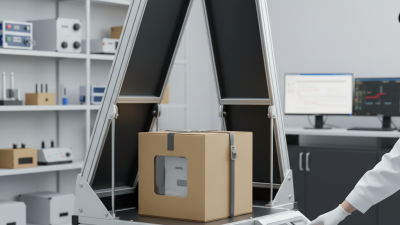
Vertical drop testers are widely used for packaging materials. They allow for precise drop heights, making them suitable for testing fragile items like electronics. Inclined drop testers, on the other hand, provide a different approach. They can simulate angled impacts, ideal for assessing products that may not drop straight down, like those in transportation.
Moreover, there may be uncertainty in choosing the right model. While vertical testers are straightforward, inclined testers require careful setup. Assessing your specific needs is essential. Consider factors like product size, weight, and the type of impact you want to simulate. Each machine presents a learning curve. Therefore, investing time in understanding their operational mechanics can lead to better testing strategies.
How to Choose the Best Drop Testing Machine for Your Needs?
| Type of Drop Testing Machine |
Applications |
Weight Capacity (kg) |
Drop Height (m) |
Key Features |
| Standard Drop Tester |
Consumer Electronics, Packaging |
10 |
1.2 |
Adjustable drop height, Digital display |
| Lifting Drop Tester |
Containers, Luggage |
20 |
1.5 |
Simulates free fall, Remote operation |
| Heavy Duty Drop Tester |
Industrial Equipment, Automotive Parts |
50 |
2.0 |
High drop height, Robust construction |
| Automated Drop Tester |
Electronics, Medical Devices |
15 |
1.8 |
Fully automated, Data logging |
| Pendulum Drop Tester |
Small Devices, Toys |
5 |
1.0 |
Pendulum action, Compact design |
Evaluating the Right Specifications for Your Testing Needs
When selecting a drop testing machine, it’s essential to evaluate various specifications that align with your testing needs. Consider the weight capacity of the machine. If you're testing lightweight consumer products, a lower weight capacity might suffice. However, heavier items require machines capable of handling greater loads.
The drop height is another critical factor. Machines with adjustable drop heights allow for more versatile testing. This feature is vital for accurately simulating real-world conditions. You might find that some machines do not offer enough flexibility in their settings. It's important to ask questions and seek advice from experts in the industry.
Checking the machine’s test cycles is crucial too. A machine that offers durability can handle repeated use without failure. This aspect is often overlooked. You might discover that cheaper machines wear out faster, leading to increased costs in the long run. Understanding the maintenance requirements is also vital. A machine that demands frequent servicing could disrupt your workflow. Each of these considerations plays a key role in ensuring reliable testing outcomes.
Budgeting for Your Drop Testing Machine Investment
When budgeting for a drop testing machine, consider several factors. Quality machinery can vary greatly in price, often reflecting its capabilities. Determine your needs first. What materials do you frequently test? Small, lightweight items may require a different machine than larger, heavier products.
Next, analyze the cost of ownership. Besides the initial price, think about maintenance and calibration. Some machines may require frequent servicing, which adds up over time. Additionally, assess the features that matter most to you. Basic drop tests might need less complex machines, while advanced options could be necessary for comprehensive analysis.
Many buyers overlook training costs as well. Ensure your team knows how to operate the equipment correctly. Investing in training enhances safety and reliability. It's vital to reflect on long-term needs. A cheaper machine may seem like a good deal, but hidden costs can turn it into a burden.
Balance immediate savings with future investments before making a decision.