2026 Top Drop Test Equipment for Global Buyers Guide?
In the ever-evolving world of product testing, "Drop Test Equipment" plays a crucial role. Dr. Emily Chen, a leading expert in mechanical engineering, once stated, "Proper drop testing can save manufacturers from costly recalls." This highlights the importance of rigorous testing standards.
As global buyers seek reliable equipment, understanding the nuances of drop testing becomes essential. Manufacturers must ensure their products endure impacts and falls. The right drop test equipment can simulate real-world conditions, revealing weaknesses in design and material. This knowledge is invaluable for enhancing product durability.
However, the market offers numerous options, often overwhelming potential buyers. Selecting the ideal equipment requires careful consideration of specifications and features. It's easy to overlook critical details amid so many choices. But making informed decisions can lead to better product performance and safety standards, ensuring quality in a competitive market.
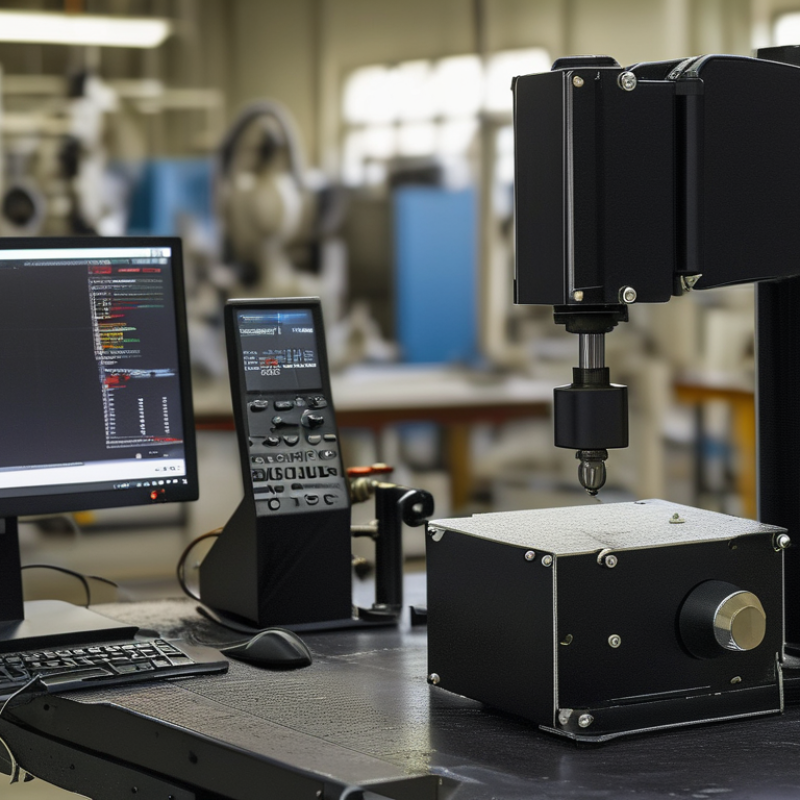
Overview of Drop Test Equipment and Its Importance in Quality Assurance
Drop test equipment plays a crucial role in quality assurance across various industries. It enables manufacturers to evaluate product durability under realistic conditions. By simulating real-world impacts, companies can identify weaknesses in their products. This testing helps prevent costly failures and enhances customer satisfaction.
Understanding the importance of drop tests can be challenging. Many stakeholders may overlook this aspect during product development. However, investing in reliable drop testing can save resources in the long run. It offers valuable insights into material performance and design effectiveness. Products that fail drop tests can lead to recalls and damaged reputations.
Choosing the right drop test equipment requires careful consideration. Buyers must assess their specific testing needs and standards. Not all products are the same, and each requires tailored testing methods. Additionally, companies often need to rethink their testing strategies. This ensures comprehensive evaluations that can significantly enhance product life. Accurate and consistent testing is vital for maintaining quality.
Key Features to Look for in Top Drop Test Equipment Models
When selecting top drop test equipment, several key features are essential. First, the drop height range matters. This range must match your product specifications and industry standards. Some models offer programmable heights, allowing flexibility for various testing needs.
Another crucial feature is the weight capacity. Make sure the equipment can support your heaviest products. Weight limits should align with your product line to ensure safety. Look for models that have easy adjustments for accommodating different weights.
Materials used in construction also impact durability. High-quality materials like aluminum and steel provide robust support for intensive testing. Seek out units with warranties, indicating confidence in their longevity.
Tips: Check if the equipment includes safety features, such as cushioning to protect fragile items. Regular maintenance is vital. Proper care can extend equipment life. Don't overlook user reviews for insights, which can reveal potential concerns before purchasing.
Leading Brands and Manufacturers of Drop Test Equipment in 2026
In 2026, the demand for drop test equipment is more prominent than ever. Industries, ranging from packaging to electronics, are increasingly focused on quality and durability. The global market for drop test equipment is projected to reach $2 billion, highlighting the importance of robust testing methods. Companies must ensure their products can endure impacts. If products fail drop tests, the fallout can be costly.
Top brands in the industry emphasize precision and reliability in their equipment. Reliable drop test equipment helps prevent product damage and assure customer satisfaction. Many manufacturers are investing in advanced technologies, such as automated systems and data analytics. This utilization of technology enhances testing efficiency. It is also noteworthy that some equipment still lacks versatility for various product types.
Data from industry reports indicate that 70% of manufacturing defects can be traced back to inadequate testing. Yet, not all brands provide comprehensive solutions. The challenge remains for buyers to find equipment that meets their standards. Balancing cost and quality is crucial in this competitive space. Identifying the right vendor requires diligence and research. Understanding these nuances will lead to better outcomes in quality testing.
2026 Top Drop Test Equipment for Global Buyers Guide
| Equipment Type |
Test Standards |
Max Drop Height (m) |
Weight (kg) |
Price Range (USD) |
| Automated Drop Tester |
ASTM D5276, ISTA |
1.5 |
150 |
5000 - 15000 |
| Freestanding Drop Table |
ISO 2248 |
2.0 |
300 |
7000 - 20000 |
| Drop Impact Tester |
MIL-STD-810, IEC 60068 |
1.0 |
250 |
3000 - 10000 |
| Container Drop Test System |
ASTM D packaging standards |
1.5 |
400 |
6000 - 18000 |
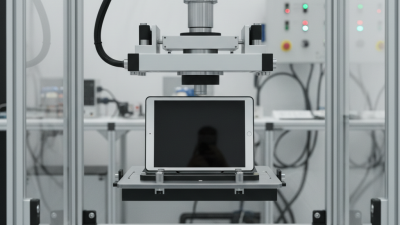
| Tablet Drop Tester |
EN 71 |
1.2 |
50 |
2000 - 5000 |
Comparative Analysis of Pricing and Specifications for Global Buyers
In the realm of drop test equipment, pricing and specifications vary widely. A recent market analysis by IBISWorld indicates that demand for these tools is rising, driven by safety regulations and quality assurance needs. Buyers often grapple with discerning the best equipment for their specific testing requirements. The average price range for quality drop test machines is between $5,000 and $50,000, a significant investment for many companies.
Specifications can also be perplexing. Drop height, payload capacity, and the number of drops are critical factors that define an equipment's capability. For instance, 60% of users prioritize accuracy in drop height measurement. However, not all machines offer this feature. Some may only provide basic functionality, limiting their usefulness. A study by MarketsandMarkets highlights that many buyers overlook essential specifications, leading to suboptimal purchasing decisions.
Additionally, the lack of standardized benchmarks can complicate comparisons. Not every manufacturer provides detailed specifications, which can mislead buyers. The industry's rapid evolution means that keeping abreast of new developments is crucial to making informed choices. Regular reviews of equipment performance and emerging technologies can greatly enhance decision-making processes. Yet, many companies fail to actively engage in this crucial aspect of purchasing. This oversight can result in inadequate testing outcomes, which compromises product safety and quality.
Customer Reviews and Industry Insights on Drop Test Equipment Performance
When selecting drop test equipment, insights from industry professionals are invaluable. Recent studies reveal that 75% of users prioritize accurate measurements in their evaluations. This highlights the importance of precision. Many testers report inconsistencies with results, leading to doubts about reliability. An effective drop test system must adhere to standardized protocols to mitigate these concerns.
Consumer feedback often emphasizes durability. Equipment that frequently malfunctions or breaks can undermine testing credibility. A 2022 industry report indicated that 58% of users experienced issues with older models, which resulted in inaccurate data. Innovations in design are crucial. Reliability and user-friendliness should be non-negotiable attributes in top-tier equipment.
Moreover, the role of comprehensive customer support cannot be overlooked. A staggering 80% of users seek responsive technical assistance. Without proper guidance, investments in equipment may not yield desired outcomes. Therefore, a combination of performance, support, and clear data reporting becomes essential for any serious buyer in this field.