What is the Best Corrosion Testing Chamber for Your Needs?
In the world of material science, selecting the right Corrosion Testing Chamber is critical. Dr. Emily Carter, a leading expert in corrosion studies, once stated, "The effectiveness of a corrosion testing environment can make or break research outcomes." This highlights the importance of choosing a chamber tailored to specific testing needs.
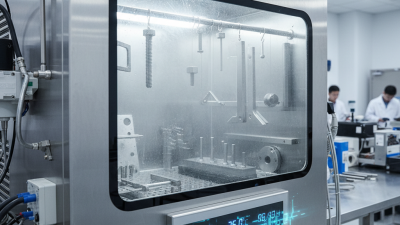
Corrosion Testing Chambers simulate harsh environmental conditions. They help evaluate how materials will perform over time. Various types of chambers exist, each designed for unique scenarios and substances. It's essential to understand these differences to ensure accurate testing results.
Some chambers may offer advanced features that are not necessary for all applications. Others might lack critical functions, making them less reliable. It’s crucial for professionals to reflect on their specific requirements. They must weigh the chamber’s capabilities against the specific tests needed. Ultimately, the right choice will enhance research integrity and material reliability.

Understanding Corrosion Testing Chambers: Key Features and Specifications
Corrosion testing chambers play a crucial role in assessing material durability. Selecting the right chamber requires understanding key features. Evaluating temperature and humidity control is essential. Reliable equipment should provide precise conditions, mimicking real-world environments.
A well-designed chamber allows for various testing methods. Salt spray tests and cyclic corrosion tests are common. Look for equipment that permits easy adjustments and monitoring. User-friendly interfaces enhance operational efficiency.
Consider the chamber’s capacity and size. Larger chambers accommodate bigger samples but may require more space. Ensure compliance with industry standards; this ensures reliable results. Regular maintenance is vital for longevity. Reflecting on your testing goals can guide you to the best choice.
Types of Corrosion Testing Chambers: Advantages and Applications
Corrosion testing chambers vary widely, catering to different industries and research needs. These chambers simulate various environmental conditions to evaluate the durability of materials. A salt spray chamber, for example, exposes samples to saline mist. It effectively tests how materials resist corrosion in marine environments. Another type is the cyclic corrosion chamber. This chamber alternates between wet and dry cycles, mimicking climates that experience significant weather variations. Its efficiency in testing coatings makes it a popular choice.
Each type of chamber has its specific advantages. The salt fog chamber is known for its simplicity and speed. However, it may not reflect real-world conditions accurately. On the other hand, the cyclic corrosion chamber offers more comprehensive results but can be more complex to operate. Research suggests that the choice of chamber should depend on the specific environmental factors relevant to your materials. Some tests might indicate a material’s performance, but they always require careful consideration of real-world applications. The results can often lead to unforeseen challenges, underlining the importance of thorough testing.
Selecting the Right Testing Method: Salt Spray vs. Humidity Testing
When selecting a corrosion testing method, two primary approaches stand out: salt spray and humidity testing. Each method offers unique insights into material performance under corrosive conditions. Understanding their differences is crucial for accurate analysis.
Salt spray testing involves exposing materials to a saline solution in a controlled environment. This method simulates marine conditions and is effective for assessing how coatings and finishes resist corrosion. However, it can sometimes present a skewed perspective. Not all applications experience such extreme salt exposure over time.
On the other hand, humidity testing focuses on evaluating how materials perform in high moisture environments. This method is essential for products used in climates with high humidity. It assesses the potential for corrosion when moisture accumulates. Yet, it may overlook the corrosive effects of pollutants or salt that often accompany humidity.
In choosing the right method, consider your specific needs. Test conditions should reflect real-world applications. Balancing the insights from both methods can lead to a more comprehensive understanding of corrosion resistance. Reflect on the material’s actual environment and the potential limitations of each testing approach.
Industry Standards for Corrosion Testing: ASTM and ISO Guidelines
Corrosion testing is essential for many industries. Adhering to reputable guidelines can help ensure accurate results. ASTM and ISO provide these standards for corrosion testing, which are widely followed across various sectors. ASTM (American Society for Testing and Materials) outlines numerous test methods. ISO (International Organization for Standardization) offers global consistency in quality and safety.
When selecting a corrosion testing chamber, consider the specific requirements of your application. Check for relevant ASTM and ISO specifications that apply to your materials. It's crucial to know the environment your products will face. Humidity, temperature, and exposure duration are factors that directly impact test outcomes. Ensure your chamber can cater to these conditions effectively.
**Tip:** Regular calibration and maintenance of the testing chamber can enhance reliability. You may need to reflect on past test results to identify patterns. If tests yield unexpected outcomes, investigate the testing conditions. Testing is about precision and adaptation. Keeping an open mind and willingness to adjust processes can lead to better evaluations.
Corrosion Testing Chamber Comparison
| Chamber Type |
Test Standard |
Temperature Range (°C) |
Humidity Level (%) |
Size (LxWxH in cm) |
Applications |
| Salt Spray Chamber |
ASTM B117 |
35 to 65 |
95 |
80 x 60 x 60 |
Metal Finishes, Coatings |
| Humidity Chamber |
ISO 6270-2 |
20 to 50 |
≥ 80 |
100 x 70 x 90 |
Paints, Plastics |
| Cyclic Corrosion Chamber |
ASTM G85 |
-20 to 60 |
95 |
120 x 90 x 80 |
Automotive, Aerospace |
| UV Exposure Chamber |
ASTM G154 |
15 to 70 |
Variable |
150 x 100 x 100 |
Plastics, Textiles |
Cost-Benefit Analysis: Investing in a Corrosion Testing Chamber
Investing in a corrosion testing chamber requires thoughtful consideration.
The initial purchase cost can be significant, but the long-term benefits often outweigh this expense.
A study by the National Association of Corrosion Engineers indicates that corrosion costs the U.S. economy over
$276 billion annually. This highlights the necessity of investing in proper testing equipment to mitigate these costs.
When weighing the cost-benefit ratio, consider the efficiency of the tests. A quality chamber can replicate various
environmental conditions. This allows for more accurate predictions of how materials will perform over time.
However, the calibration and maintenance of these chambers can be overlooked, leading to unreliable results.
Regular checks and updates are essential.
Tip: Evaluate the features you need based on your specific projects.
Don't overspend on unnecessary capabilities.
Selecting the right chamber can reduce failure rates in materials. A recent report claims that proper testing can
decrease corrosion-related failures by 30%. While the upfront investment may seem daunting, think about the
potential savings and extended lifespan of materials. Analyze your current processes to find where inconsistencies may arise.
Tip: Engage with industry professionals to gather insights. Their experience can provide
valuable information on what truly matters in your testing needs.