China Best Altitude Chamber Solutions for Global Buyers?
The demand for high-quality altitude chamber solutions is growing globally. According to a recent report by Technavio, the global altitude chamber market is projected to reach $150 million by 2025. This growth reflects an increasing need for advanced simulation environments in various sectors, including aviation, sports medicine, and research.
Dr. Emily Chen, an expert in aerospace physiology, emphasizes the significance of altitude chambers. She states, "These chambers play a crucial role in preparing individuals for high-altitude conditions." Her insight highlights how altitude chambers are essential for both training and recovery processes.
With manufacturers in China leading the market, buyers have access to top-notch technology and expertise. However, not all products meet rigorous standards. It is vital for buyers to conduct thorough research. Selecting the right altitude chamber can ensure safety and effectiveness. This growing industry still presents challenges that require careful consideration and reflection.

China's Leading Companies in Altitude Chamber Manufacturing
China has emerged as a major player in the altitude chamber manufacturing sector. Recent industry reports indicate that the market for altitude simulation technology will grow by over 6% annually, reflecting increasing demand for sports training and aerospace research. The need for effective altitude chambers is on the rise, especially as various sectors seek to optimize performance and safety.
Leading companies in China's altitude chamber manufacturing have made significant advancements in technology. Many of these manufacturers focus on incorporating state-of-the-art materials and automated control systems. A study highlighted that 80% of new models include advanced monitoring systems that enhance user experience and data accuracy. This shift toward higher precision reflects the industry's commitment to safety and efficiency.
Despite this growth, challenges remain in maintaining quality and consistency across products. Some factories still face issues with product reliability, as highlighted in a recent quality assessment report. Many buyers have raised concerns about discrepancies in chamber performance. The industry must address these shortcomings to foster trust. Potential buyers should thoroughly evaluate manufacturers and seek verified reports on performance metrics before making decisions.
Key Features of Altitude Chambers Made in China
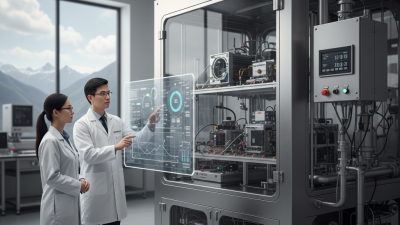
Altitude chambers, also known as hypobaric chambers, are essential for simulating high-altitude environments. These chambers are crucial for training athletes, testing aerospace equipment, and conducting medical research. China is emerging as a key player in the manufacturing of these specialized solutions. According to a report by ResearchAndMarkets, the global altitude chamber market is projected to grow at a CAGR of 5.7% from 2021 to 2026. This indicates a rising demand for advanced altitude technology worldwide.
Chinese-made altitude chambers boast several key features. For one, they often include advanced control systems. These systems allow precise adjustments to simulate various altitudes accurately. Additionally, many chambers are equipped with real-time monitoring tools. These tools track physiological responses, enhancing safety during usage. Reports show that chambers manufactured in China can simulate altitudes from sea level to 25,000 feet with high reliability. This capacity supports diverse applications, from sports training to research purposes.
Despite the sophistication of Chinese altitude chambers, there are areas needing improvement. Some users report inconsistent calibration across different units. This might lead to discrepancies in experimental results. Furthermore, while manufacturing costs are competitive, high-quality materials can raise prices significantly. Attention to detail in quality control processes is essential for manufacturers. Refining these aspects can further enhance credibility and durability in a rapidly evolving global marketplace.
Comparative Analysis of Chinese Altitude Chamber Solutions for Buyers
When evaluating altitude chamber solutions from China, several factors need to be considered. The market is growing rapidly, with a significant increase in demand for such chambers. According to a recent report by MarketsandMarkets, the global altitude simulation equipment market is expected to reach $8 billion by 2025. This growth signifies a thriving sector, yet it's crucial to analyze what differentiates various options available from Chinese suppliers.
Chinese altitude chambers often offer competitive pricing, attracting global buyers. However, not all products meet international standards. There are variations in build quality and reliability. Some chambers may lack proper certifications, which can be problematic for users needing consistency and safety. A comprehensive assessment should examine the technical specifications and testing protocols of each solution.
Another aspect to consider is customer support and service. Many buyers report challenges when dealing with after-sales service from Chinese manufacturers. A robust support system is essential for maintenance and troubleshooting. Buyers should ensure they have access to a responsive support team, as this can significantly affect operational efficiency. It’s essential to scrutinize user reviews and seek feedback from other businesses to make informed decisions.
Global Market Trends and Demands for Altitude Chambers
The global market for altitude chambers is evolving rapidly. Many industries are recognizing the importance of simulating high-altitude conditions. Research institutions, aerospace companies, and sports training facilities are driving this demand. These users require reliable altitude chambers to test equipment and train athletes. The need for advanced technology is also influencing market trends. Buyers are looking for innovative features like real-time data monitoring and automated controls.
Tips: When choosing an altitude chamber, prioritize durability and precision. Look for solutions that offer customizable settings. Ensure the chamber meets international safety standards. Testing capabilities should be flexible to accommodate various research needs.
Adapting to market demands is crucial. However, not all altitude chambers can fulfill every requirement. Some may lack specific functionalities or present issues with maintenance. It’s essential to seek out solutions that offer robust support services. Quality testing should not be compromised. Buyers must balance their expectations with the reality of available technology. A thoughtful approach can lead to better outcomes in altitude simulation.
Quality Standards and Certifications in Chinese Altitude Chamber Production
When evaluating altitude chamber solutions from China, quality standards are vital. Many manufacturers adhere to international regulations. However, some may not meet all the certifications expected by global buyers. It's essential to assess their capabilities.
Chinese altitude chambers undergo various tests for safety and performance. Manufacturers often claim compliance with ISO certification. Yet, inconsistencies can appear. Buyers should verify these claims through third-party inspections. This ensures that the products perform reliably under different conditions.
Additionally, essential components like pressure regulation systems require rigorous testing. Quality assurance processes vary widely among factories. Some may focus heavily on meeting standards, while others could overlook critical details. It’s useful for buyers to request documentation about manufacturing practices. This aids in making informed decisions regarding altitude chambers.
China Best Altitude Chamber Solutions for Global Buyers
| Feature |
Details |
Quality Standard |
Certification |
| Chamber Size |
Customizable from 1m³ to 40m³ |
ISO 9001 |
CE, RoHS |
| Altitude Range |
Sea level to 50,000 ft |
ASTM D999 |
FDA |
| Temperature Control |
-70°C to +70°C |
IEC 60529 |
ISO 13485 |
| Testing Capacity |
Simultaneous testing for multiple units |
ISO 17025 |
TUV |