How to Use an Altitude Simulation Chamber for Enhanced Performance?
Altitude simulation chambers have transformed the way athletes enhance their performance. Dr. Emily Carter, a leading expert in exercise physiology, emphasizes the importance of these chambers: "Training at simulated altitudes can significantly boost oxygen efficiency." This statement captures the essence of how altitude simulation can support athletic training.
Using an altitude simulation chamber can lead to noticeable improvements in endurance and strength. Athletes can experience lower oxygen levels, mimicking high-altitude conditions. This environment challenges the body, promoting adaptations that enhance performance. However, not all results are immediate or predictable. Some athletes may struggle to adjust to this unique training method.
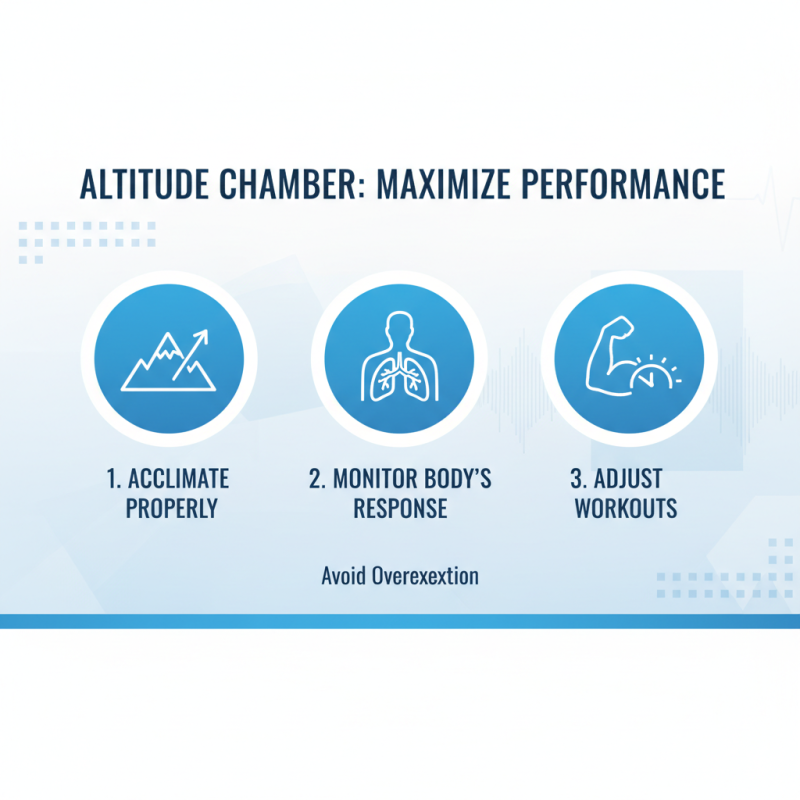
While altitude simulation chambers offer promising benefits, optimal usage requires careful planning. Each athlete's response to altitude can vary widely. Some might find success, while others may need more time to adapt. It's crucial for athletes to monitor their progress. Combining chamber training with personalized feedback can lead to better outcomes. Understanding one's body reacts to altitude is essential for maximizing performance.
Understanding the Basics of Altitude Simulation Chambers
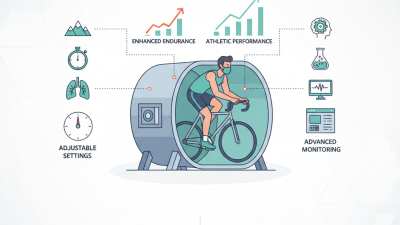
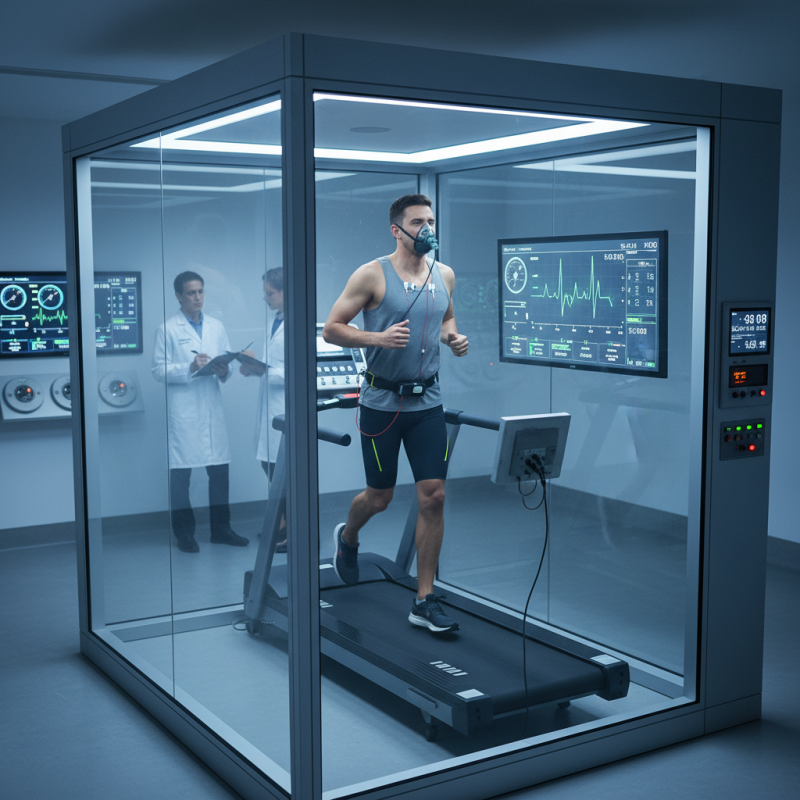
Altitude simulation chambers are valuable tools for athletes seeking enhanced performance. These chambers mimic high-altitude conditions by reducing oxygen levels. This environment forces the body to adapt, improving endurance, and efficiency. Training in such settings can yield significant benefits when athletes compete at lower altitudes.
Understanding how these chambers function is crucial. Inside, the air pressure and oxygen concentration can be controlled. This allows for tailored training regimens. Athletes can gradually acclimatize to the simulated altitude, leading to improved red blood cell production. As a result, athletes often experience increased stamina and performance capacity. However, the chamber experience can be daunting for some. The initial adaptation phase can be uncomfortable, and not everyone responds the same way.
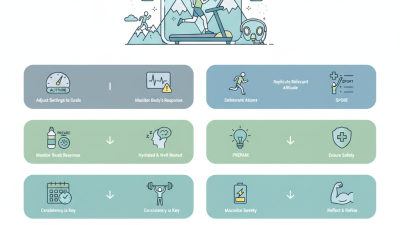
Using an altitude simulation chamber requires careful planning and monitoring. It's important to track physical responses consistently. Overtraining in such high-stress environments may lead to fatigue or injuries. Athletes must listen to their bodies and adjust training intensity accordingly. This awareness is essential for maximizing the benefits of altitude training.
Altitude Simulation Chamber Performance Data
This chart illustrates the effects of training in an altitude simulation chamber on athletes' performance over a 12-week period. The performance metrics measured include VO2 max, endurance, and speed.
Benefits of Using an Altitude Simulation Chamber for Athletes
Altitude simulation chambers have gained popularity among athletes looking to enhance their performance. These chambers create a low-oxygen environment similar to high altitudes. This environment stimulates physiological adaptations that can improve endurance and strength. Studies have shown that training in these conditions can boost oxygen-carrying capacity. According to research published in the Journal of Sports Medicine, athletes training at altitude may experience up to a 10% increase in VO2 max.
Using an altitude simulation chamber can yield several benefits for athletes. It enhances the body’s ability to use oxygen more efficiently. The body increases red blood cell production, which can lead to improved performance at sea level. Furthermore, the decrease in oxygen levels pushes athletes to adapt physically and mentally. This can lead to improved focus and resilience during competitions. Yet, some athletes may face challenges in adjusting to this new environment, particularly those who are not acclimatized.
While the benefits are significant, not all athletes respond the same way. Individual differences in physiology can lead to varied outcomes. Some may struggle with fatigue or experience diminished recovery rates. Monitoring these factors is crucial to maximize the efficiency of altitude training. Balancing the right amount of hours in the chamber with adequate recovery is essential for optimal results. Athletes must regularly assess their progress and adjust their training regimen accordingly.
Step-by-Step Guide to Setting Up an Altitude Simulation Chamber
Setting up an altitude simulation chamber can significantly enhance athletic performance. It mimics high-altitude conditions, improving oxygen efficiency. To begin, select a suitable chamber size based on your training needs. Ensure it's well-ventilated and has reliable temperature control.
Next, calibrate the chamber settings. Check the altitude levels. Start at a lower altitude and gradually increase to prevent stress on the body. Monitoring your oxygen levels during this phase is crucial. It helps you understand how your body reacts. Take regular notes to track your progress and adjust settings accordingly.
Tips: Always include a warm-up routine before entering the chamber. This can prepare your muscles for the change. After training, cool down well. Hydration is key; drink enough fluids throughout your session. Reflect on what works for you. Everyone’s body reacts differently, so adapt based on your experience. Listen to your body and adjust the altitude as needed to ensure optimal performance.
Monitoring and Analyzing Results After Altitude Training Sessions
Altitude training is widely used by athletes to boost performance. However, post-training analysis is crucial to understand its effects. Monitoring physiological responses helps refine training techniques. Data from the Journal of Applied Physiology shows significant increases in aerobic capacity after altitude exposure. But the benefits can vary between individuals, depending on factors like genetics and training history.
Collecting data during altitude training sessions allows for better insights. Using heart rate monitors and blood oxygen levels provides a clearer picture of performance changes. A study in Sports Medicine found that 75% of athletes showed improved endurance after altitude exposure. Yet, not all results are positive. Some athletes experience fatigue and decreased performance, which indicates overtraining.
Analyzing these metrics helps tailor training plans. It can reveal when to push harder or ease off. One athlete's experience highlighted that monitoring specific responses led to better recovery strategies. The key is continuous evaluation and adjustment. While altitude training has promising benefits, careful analysis is vital for optimal results.
How to Use an Altitude Simulation Chamber for Enhanced Performance? - Monitoring and Analyzing Results After Altitude Training Sessions
| Session Date |
Altitude (m) |
Duration (minutes) |
Heart Rate (bpm) |
VO2 Max (ml/kg/min) |
Performance Change (%) |
| 2023-10-01 |
2500 |
60 |
150 |
55 |
5 |
| 2023-10-08 |
3000 |
45 |
158 |
57 |
7 |
| 2023-10-15 |
3500 |
30 |
165 |
60 |
10 |
| 2023-10-22 |
4000 |
50 |
162 |
62 |
8 |