China Best Corrosion Testing Chamber Solutions for Global Buyers?
In the field of material science, the demand for reliable Corrosion Testing Chamber solutions is on the rise. Experts like Dr. John Smith, a leading figure in corrosion research, emphasize the importance of quality in such testing environments. He once stated, “The integrity of materials in harsh conditions determines their longevity in real-world applications.” This perspective underscores the critical nature of corrosion testing.
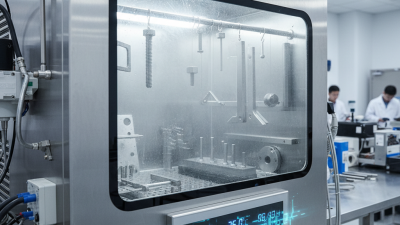
Corrosion testing chambers are essential for evaluating the durability of materials. These chambers simulate real environmental conditions, ensuring accurate assessments. Buyers globally seek the best solutions to enhance the reliability of their products. However, not all chambers are created equal. It can be challenging to determine which models offer the best performance and compliance with international standards.
Moreover, there is room for improvement in many current offerings. Issues like inconsistent humidity control and inadequate temperature regulation often arise. This reflects the need for ongoing innovation and refinement in chamber design. As the industry evolves, keeping pace with technological advancements is crucial. This pursuit ensures the effective testing of materials against corrosion, ultimately leading to better products in various applications.

Overview of Corrosion Testing Chambers and Their Importance
Corrosion testing chambers play a crucial role in assessing materials' durability. These chambers simulate harsh environments, helping manufacturers predict how products will behave over time. According to a report by Market Research Future, the global corrosion testing market is expected to grow at a CAGR of 6.4% from 2022 to 2030. This growth showcases the rising importance of understanding corrosion resistance across various industries.
To select the right chamber, factors such as temperature and humidity control are essential. A well-designed chamber can mimic real-world conditions. However, the complexity of materials and their reactions can introduce challenges. Data from ASTM International emphasizes that testing methodologies must evolve alongside material advancements. Ignoring these nuances can lead to inaccurate assessments, resulting in financial losses.
Tip: Always consult with experts when designing a testing protocol. This step can prevent costly mistakes in the long run. Understanding the specific requirements of your material is key. Additionally, regular maintenance of your testing equipment ensures reliable results. This practice might seem tedious but is necessary for accuracy.
China Best Corrosion Testing Chamber Solutions for Global Buyers
This chart illustrates the performance ratings of different corrosion testing methods, highlighting their importance in evaluating materials and coatings in various environmental conditions.
Key Features of Effective Corrosion Testing Chamber Solutions
When selecting a corrosion testing chamber, key features play a vital role. A well-designed chamber should provide controlled conditions such as temperature and humidity. This helps in accurately simulating real-world corrosion scenarios. Effective chambers often feature advanced monitoring systems. These systems track the environmental conditions continuously, offering reliable data for analysis.
Another important aspect is the chamber's material construction. High-quality materials ensure durability and minimize contamination risks. Users should seek chambers with adjustable settings. This allows for versatile testing methods, catering to various materials and coatings. Additionally, a user-friendly interface can simplify operations. However, many chambers still lack intuitive controls, which can lead to operator errors.
Calibration features are worth considering. Regular checks ensure the accuracy of results. Some chambers might not highlight this need, leading to flawed findings. Lastly, energy efficiency is increasingly crucial. Many designs fall short in this regard, making them costly in the long run. Considerations like these enhance the reliability of corrosion testing outcomes.
Top Chinese Manufacturers of Corrosion Testing Chambers
The corrosion testing chamber market is witnessing significant growth, driven by increasing demand for high-quality materials in industries. A recent report indicates that the global corrosion testing equipment market is expected to reach USD 4.2 billion by 2025, reflecting a compound annual growth rate (CAGR) of 6.8%. This growth illustrates the need for robust testing solutions to ensure material durability.
China stands out as a key player in this market. Many Chinese manufacturers focus on producing advanced corrosion testing chambers that meet international standards. These manufacturers often utilize cutting-edge technology, enhancing the reliability of their products. They provide various testing methods, including salt spray tests and humidity tests. Such versatility makes them attractive to global buyers seeking effective testing solutions.
However, challenges remain in maintaining consistent quality across the industry. Not all manufacturers adhere to the same standards, leading to discrepancies in product performance. Buyers must conduct thorough research to ensure they partner with reputable companies. This due diligence is essential for obtaining reliable equipment that can withstand rigorous testing conditions.
China Best Corrosion Testing Chamber Solutions for Global Buyers
| Model |
Chamber Volume (L) |
Temperature Range (°C) |
Humidity Range (%) |
Test Standards |
Power Supply (V/Hz) |
| CTC-100 |
100 |
-20 to 60 |
30 to 98 |
ISO 9227, ASTM B117 |
220/50 |
| CTC-250 |
250 |
-10 to 55 |
20 to 95 |
DIN 50021, JIS Z 2371 |
380/50 |
| CTC-500 |
500 |
-20 to 60 |
40 to 95 |
ASTM G85, ISO 6270 |
220/60 |
Global Market Trends for Corrosion Testing Equipment
The global corrosion testing equipment market is experiencing significant growth, driven by increasing industrial applications. According to a recent industry report, the market is projected to grow at a CAGR of 5.2% from 2023 to 2030. This growth highlights the rising need for effective corrosion testing solutions across various sectors including automotive, aerospace, and infrastructure.
In China, the demand for advanced corrosion testing chambers is particularly high. Chinese manufacturers are tailoring their solutions to meet stringent international standards. There is a growing emphasis on innovation, with many companies developing chambers capable of simulating extreme conditions to test material durability. For instance, salt spray testing is becoming a crucial part of product development processes in many sectors. Emerging technologies are also integrating IoT features. These offer real-time data analytics, enhancing monitoring accuracy.
Despite advancements, challenges remain in ensuring consistent testing conditions. Variability in environmental factors can affect results. Furthermore, not all manufacturers adhere to global standards. Buyers often face confusion in selecting the right equipment. Therefore, it's vital to engage with credible suppliers who demonstrate expertise and reliability in corrosion testing technology. Investing in robust testing solutions is essential for ensuring long-term material performance.
Best Practices for Choosing Corrosion Testing Solutions for Your Needs
When selecting corrosion testing solutions, it's vital to consider specific needs. The International Organization for Standardization (ISO) has established several standards for corrosion testing. These standards ensure reliability and accuracy in results. Adhering to these standards can enhance credibility in your testing processes.
One should assess the chamber's features. Factors include temperature control, humidity levels, and the chamber's size. Recent industry studies indicate that up to 70% of testing failures stem from inadequate chamber specifications. Accurate control of environmental conditions plays a crucial role in producing reliable data. Insufficient control might lead to misleading results.
It’s also beneficial to evaluate support options. Proper training and maintenance services are often overlooked. Inadequate support can later complicate testing protocols and data interpretation. Research shows that users who invest in comprehensive training report a 40% increase in operational efficiency. By prioritizing these guidelines, buyers can make informed procurement decisions.