How to Choose the Right Altitude Chamber for Your Needs?
Choosing the right Altitude Chamber can be a daunting task. These chambers serve various purposes, including performance training and medical applications. Understanding your specific needs is crucial in making an informed decision. Each chamber has unique features that can affect your experience.
When assessing options, consider your goals. Are you training for altitude acclimatization or seeking rehabilitation? Different chambers have varying altitude ranges, which can influence effectiveness. Budget is another important factor. The cost of Altitude Chambers can differ significantly, impacting accessibility.
Not all chambers are created equal. Research brands and read reviews for insights. User experiences can reveal potential shortcomings. Some chambers may not meet all expectations, leaving room for improvement. Always reflect on your requirements and gather multiple viewpoints before finalizing your choice.
Understanding Altitude Chambers and Their Purpose
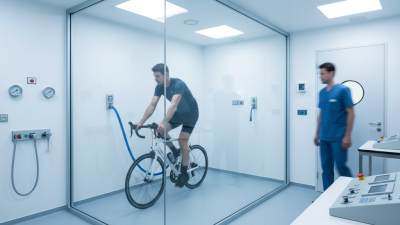
Altitude chambers simulate high-altitude conditions. They help individuals adapt to lower oxygen levels. Their primary purpose is to enhance performance and recovery. Athletes often use these chambers to train effectively. The body responds to reduced oxygen by improving its efficiency. This adaptation can lead to increased stamina and endurance.
Choosing the right altitude chamber involves several factors. Consider your needs and goals first. Are you training for a specific sport? Or are you recovering from an injury? The size of the chamber matters too. Some chambers accommodate one person, while others can hold multiple users. Think about space and usage frequency.
Proper guidance ensures safe and effective use. Seek advice from experts or sports scientists. They can provide insights into settings and duration. This knowledge enhances your experience and results. However, be aware of your tolerance levels. Not everyone adapts similarly. Regularly assess how your body responds to avoid potential risks. Understanding these nuances helps in making informed choices.
How to Choose the Right Altitude Chamber for Your Needs?
| Feature |
Description |
Recommended Use |
| Altitude Range |
The maximum altitude level the chamber can simulate. |
Choose based on the altitude you need for training or recovery. |
| Chamber Size |
The interior dimensions and the number of occupants it can accommodate. |
Consider the number of users at one time. |
| Pressure Control |
The method used to control pressure within the chamber. |
Essential for safety and efficacy during altitude simulation. |
| Portability |
Whether the chamber is mobile or stationary. |
Useful for various locations or fixed setups. |
| Cost |
The overall price range of the altitude chamber. |
Align your budget with your specific needs. |
| User Experience |
Feedback from users regarding comfort and effectiveness. |
Look for positive reviews and recommendations. |
| Support & Training |
Availability of user support and training for chamber operation. |
Crucial for effective use and safety. |
Types of Altitude Chambers Available on the Market
When selecting an altitude chamber, it's essential to understand the types available. These chambers vary in purpose and design. Some are purely for fitness training, aiming to enhance athlete performance. Others are designed for medical use, helping individuals acclimatize to high altitudes safely.
Hypoxic tents are another option. They simulate high-altitude conditions while you sleep. These tents can be more affordable but may require extended use for effectiveness. Portable altitude chambers have gained popularity too. Compact and user-friendly, they cater to those who want altitude training without the need for bulky equipment.
Many users report mixed results with different types. The effectiveness can depend on personal goals and physical condition. A clear understanding of your needs is vital. Do you seek performance enhancement or medical benefits? This reflection can guide your choice effectively.
Key Factors to Consider When Choosing an Altitude Chamber
When selecting the right altitude chamber, several key factors come into play. First, consider the chamber's altitude range. Many chambers can simulate elevations from 1,000 to 25,000 feet. Understanding your training or therapeutic goals helps narrow options. Athletes aiming for high-altitude acclimatization may require chambers that extend to greater elevations.
Space and portability are also essential. Some chambers are designed for home use, while others are equipped for clinical settings. According to a report by the Sports Science Institute, the growing demand for at-home altitude training highlights the need for adaptable and portable options. Users must assess their available space and whether they need a stationary or mobile unit.
Choose a chamber with adequate safety features. Many models include pressure sensors and automatic shutoff systems. Safety is paramount, particularly when exposing users to lower oxygen levels. Additionally, consider ease of use. User-friendly interfaces can enhance the experience, especially for newcomers to altitude training.
Tips: Always review peer-reviewed studies on altitude training benefits. Engage with the community for insights on chamber performance. Collect personal feedback to identify strengths and weaknesses.
Evaluating Your Specific Needs and Goals for Altitude Training
When selecting an altitude chamber, it’s crucial to evaluate your specific needs. Consider what you want to achieve with altitude training. Are you an athlete looking to improve endurance? Or perhaps you're a recreational fitness enthusiast? Defining your goals helps narrow down your options.
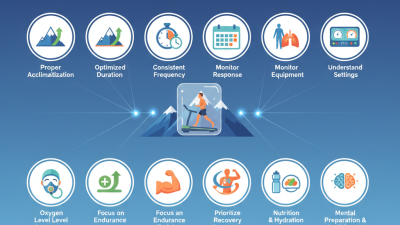
Think about your experience level. Beginners might prefer a chamber with adjustable settings. This allows for gradual acclimatization. Meanwhile, seasoned athletes may seek advanced features. These could include precise altitude adjustments and training programs. It’s essential to find a chamber that aligns with your comfort and skill level.
A helpful approach is to seek expert advice. Consult with trainers who specialize in altitude training. They can provide insights based on your personal goals. Researching user reviews can also be beneficial. Real-world experiences can unveil unexpected challenges or advantages. Reflect on the features that are most important to you, ensuring they align with your training ethos.
Budget Considerations and Additional Features to Look For
When choosing an altitude chamber, budget is crucial. Many options exist, ranging from basic models to advanced systems with extensive features. A lower-cost chamber may lack some capabilities, such as precise oxygen regulation or user-friendly interfaces. If you prioritize essential functions, simpler designs can fit tighter budgets.
Additional features can make a big difference in usability. Look for chambers with adjustable altitude levels and monitoring systems. Some models offer unique settings for training and recovery. A chamber with comfortable seating can enhance the user experience. Consider how these features align with your goals.
Always assess the manufacturer’s credibility. Research reviews and seek expert opinions. This step can help ensure reliability and durability. While affordability is important, never compromise on safety and quality. Finding the right balance can take time and reflection.
How to Choose the Right Altitude Chamber for Your Needs?
This bar chart displays the price range of different altitude chamber models available in the market. Basic models start at around $1500, while professional models can go up to $6000. Consider your budget and specific feature requirements when choosing the right model for your needs.