What is a Double-Wing Drop Tester and How Does it Work?
In the ever-evolving field of packaging testing, the Double-Wing Drop Tester stands out as a critical tool. This device assesses the impact resistance of packages and their contents during transit. According to a recent report by the Packaging Test Standards Alliance, approximately 70% of all product damage occurs in transit. With rising e-commerce demands, understanding packaging durability is more important than ever.
Industry expert Dr. Emily Chang states, "The Double-Wing Drop Tester allows us to simulate real-world drop conditions, ensuring that packages meet safety standards." This quote emphasizes the tester's role in enhancing safety and reliability. With its unique design, the Double-Wing Drop Tester accurately replicates the parameters of actual shipping scenarios.
However, challenges remain. While the device improves testing efficiency, results can vary based on material and design variables. It’s essential for companies to analyze these factors for optimal testing outcomes. Continued advancements in testing technology will play a significant role in minimizing product damage and improving customer satisfaction.

What is a Double-Wing Drop Tester? Definition and Purpose
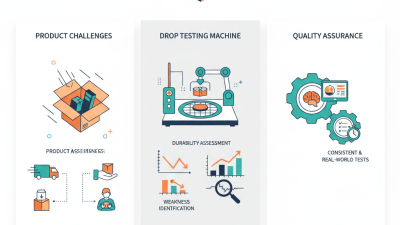
A double-wing drop tester is a specialized piece of equipment. It is designed to assess the robustness of packaging materials. This device simulates the impact of dropping packages from various heights. The main purpose of a double-wing drop tester is to evaluate how products withstand handling and shipping. Proper testing can help reduce damage in transit.
According to a 2022 industry report, around 25% of products are damaged during shipping. This damage often stems from inadequate packaging. Using a double-wing drop tester can provide vital data. It helps in understanding the impact resistance of your packaging. The results guide manufacturers in improving packaging designs. A well-structured drop test offers insight into potential failures.
Despite its effectiveness, not all products react predictably in tests. Variable factors such as weight distribution and material type play significant roles. A single test may not provide a full picture of how a package will perform. Thus, companies need to conduct comprehensive testing. This ensures their packaging can handle the rigors of transport. Better packaging saves costs and improves customer satisfaction.
The Mechanism Behind Double-Wing Drop Testers: Key Components
Double-wing drop testers are essential for evaluating product durability. They simulate real-world drop conditions. By using a controlled testing environment, companies can identify weaknesses in their packaging. This method helps ensure that products reach consumers undamaged.
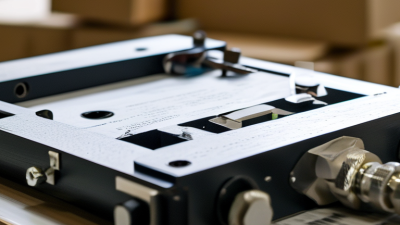
Key components of a double-wing drop tester include the drop mechanism and the wings. The drop mechanism allows for precise height adjustments. This ensures the product experiences falls from different heights. The wings catch the product as it descends, preventing damage to the tester itself. This design also facilitates easy loading and unloading of test samples.
Conducting tests with this equipment requires expertise. Operators must understand the mechanics involved. Miscalculations in height or weight can lead to unreliable results. Each test run provides insights, yet inconsistencies in outcomes can occur. Continuous refinement of procedures is necessary for accurate assessments. Understanding these components is vital for improving product resilience.
Industry Standards for Drop Testing: Importance of Compliance
Industry standards for drop testing are crucial for ensuring product safety and reliability. Compliance with these standards protects both manufacturers and consumers. The American Society for Testing and Materials (ASTM) provides guidelines that define the testing process. Following these protocols allows companies to assess the durability of their products effectively.
A recent industry report highlighted that nearly 30% of products fail during drop tests when standards are not adhered to. This statistic shows the potential risks associated with inadequate testing. Many products face extreme conditions during shipping and handling. Without proper drop testing, companies risk financial losses and damage to their reputation.
Moreover, compliance with industry standards often enhances consumer trust. According to a study by the International Organization for Standardization (ISO), 80% of consumers prefer products that meet recognized safety standards. Investing in proper drop testing can lead to higher customer satisfaction and lower return rates. This focus on quality reflects positively on a company's brand. However, balancing compliance costs with business goals can be challenging. Regular evaluations of testing methods and adherence to guidelines are essential in navigating these complexities.
Applications of Double-Wing Drop Testers in Packaging and Product Testing
Double-wing drop testers are crucial in ensuring the reliability of packaging. They simulate real-world conditions where products may fall during shipping. These testers evaluate how well packaging protects its contents. According to a recent report from the International Safe Transit Association (ISTA), over 30% of product damage occurs during transit. This emphasizes the need for effective packaging solutions.
In various industries, double-wing drop testers play a vital role. They are commonly used in electronics, pharmaceuticals, and consumer goods. For instance, a study from the Packaging Association indicates that proper cushioning can reduce product damage rates by up to 50%. This highlights the potential cost savings. Yet, there are concerns. Not all packaging materials perform equally. Some fail to protect the product adequately despite passing tests. Continuous refinement in testing methods is necessary to address these shortfalls.
Moreover, the impact of manufacturer standards cannot be overlooked. Manufacturers may differ in their testing protocols. This lack of uniformity can lead to inconsistencies in how packages are evaluated. As a result, companies need to adopt rigorous testing standards. This would improve product safety and enhance customer confidence. The importance of reliable packaging cannot be underestimated in today’s competitive market.
Impact Resistance Measurement: Analyzing Data from Drop Tests
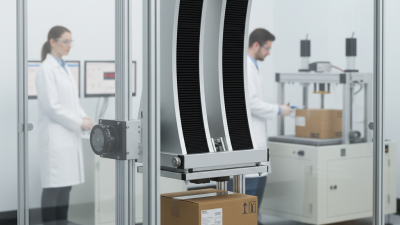
In industries where packaging integrity is critical, impact resistance is a key concern. Drop tests are a common method for assessing how well products endure falls or impacts. The double-wing drop tester serves this purpose effectively. It simulates real-world conditions by dropping items from various heights to analyze how they react upon impact. The data collected from these tests can provide invaluable insights into material durability and product design.
Analyzing drop test data reveals patterns in failure points. For example, minor cracks often form in corners, while flat surfaces may withstand impacts better. Understanding this information aids manufacturers in improving their designs. Some products may still fail, highlighting areas for improvement. The results from drop tests should guide engineers in making informed choices about materials and construction methods. Continuous evaluation of these findings ensures better packaging solutions over time, but the data must always be interpreted with caution. Misleading conclusions can arise from outlier results.