Top 10 Double-Wing Drop Tester Features You Should Know?
In today's manufacturing world, testing product durability is crucial. The Double-Wing Drop Tester stands out among various testing equipment. It evaluates how well products withstand drops, simulating real-world conditions. Many industries rely on this tool to ensure quality and safety.
Understanding the features of a Double-Wing Drop Tester is essential for manufacturers. Such knowledge boosts product reliability and enhances customer satisfaction. However, not all testers are created equal. Users must recognize what to look for when choosing a model. Features like drop height, weight capacity, and impact measurement are vital considerations.
Investing in the right Double-Wing Drop Tester improves product durability assessments. Yet, users often overlook maintenance and calibration. These tasks are critical for accurate results. Effective testing requires not just equipment but a clear understanding of how to use it properly. Manufacturers should continually evaluate their testing processes for potential improvements.
Understanding the Double-Wing Drop Tester: An Overview of Its Design and Functionality
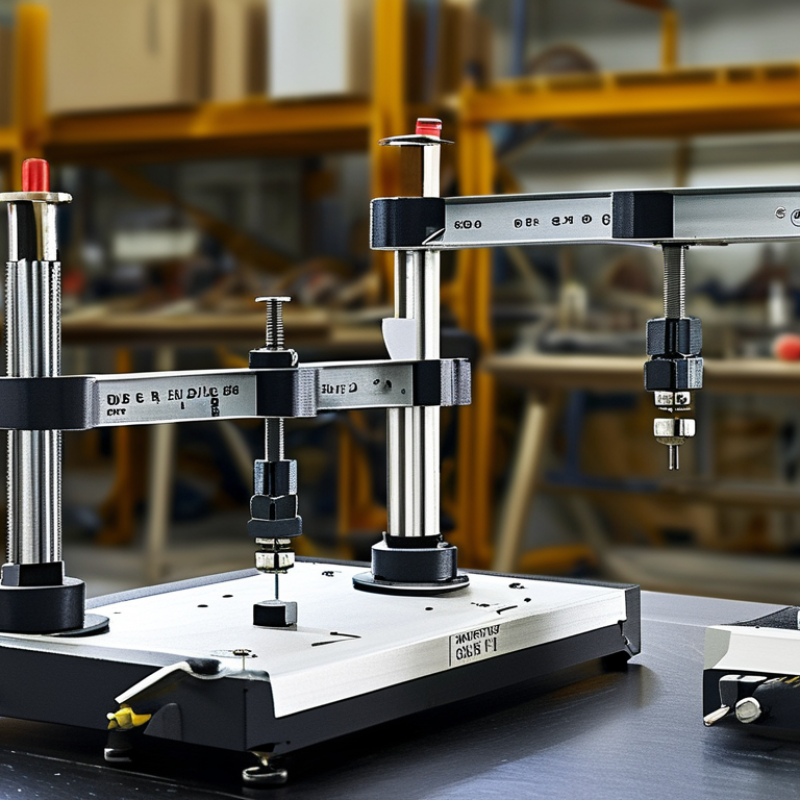
The Double-Wing Drop Tester is a crucial device in packaging and product durability testing. With its unique design, it simulates real-world drop conditions that products may face during shipping and handling. The device comprises two synchronized wings that lower the product onto a designated surface. According to a recent report by the Packaging Technology and Science journal, over 30% of product damage occurs due to inadequate protective measures during transit.
Understanding its functionality is vital for industries focused on quality assurance. The tester evaluates not only the packaging’s strength but also the product’s resilience. This helps companies refine their designs based on empirical data. Notably, some tests reveal that products can sustain falls up to 1.2 meters depending on material composition. Various factors, like drop height and weight distribution, critically impact the results.
Tips for effective testing include ensuring proper calibration of the tester before each use. Regular checks can minimize discrepancies in results. Additionally, performing multiple drop tests under different conditions can provide a more reliable assessment of product durability. It's worth reflecting on the limitations of tests, as they cannot always replicate every possible shipping scenario. Being aware of these variables can lead to better preparation and improved product longevity.
Key Features of Double-Wing Drop Testers that Enhance Product Durability Testing
Double-wing drop testers play a vital role in evaluating product durability. These testers simulate real-world impacts, helping manufacturers understand how their products hold up under stress. They include several features that enhance testing accuracy and efficiency.
One key feature is the adjustable drop height, which allows for testing at various impact levels. This capability helps simulate different scenarios. The testers often have programmable drop patterns. This feature enables users to conduct diverse tests efficiently.
Tips: Always calibrate the tester before use. Calibration ensures accurate results in drop tests. Consider integrating data analysis software with the tester. This combination provides deeper insights into product performance.
Another noteworthy aspect is the safety features, such as emergency stops. These are crucial to protect operators during testing. Users should pay attention to the construction materials of the tester. Durable and robust materials ensure long-lasting performance.
Tips: Regular maintenance is essential. Inspect wear and tear to prolong the lifespan. Document all test results for future reference. This practice helps in making informed design decisions.
Industry Standards: The Impact of Drop Testers on Quality Assurance Protocols
Drop testers have a significant role in ensuring product durability and reliability. These devices simulate real-world impacts that products might encounter during transportation or handling. According to a recent industry report, over 30% of product returns are attributable to shipping damage. Implementing effective drop testing can dramatically reduce these costs. As industries prioritize customer satisfaction, quality assurance protocols must adapt to incorporate rigorous testing methods.
A well-designed double-wing drop tester can offer several advantages. It provides consistent drop height and angle, ensuring repeatability. This precision allows manufacturers to predict product performance under stress. Engaging with international standards, such as ISTA and ASTM, helps ensure compliance and reliability across markets. Testing not only improves product strength but also builds consumer trust.
Tip: Regularly review your drop testing protocols. Consider factors like product weight and packaging material. Minor adjustments can lead to substantial improvements in outcomes. Another key aspect is to document all testing processes. This practice creates valuable data for future references. Continuous improvement should be the goal. Manufacturers should stay informed about the latest testing innovations and performance metrics.
Top 10 Double-Wing Drop Tester Features You Should Know
| Feature |
Description |
Industry Standard Compliance |
Calibration Frequency |
Impact Weight Range |
| Drop Height Adjustment |
Adjustable height settings for varying drop tests. |
ISO 17025 |
Quarterly |
5-50 kg |
| Data Logging |
Automatic data recording for analysis and reports. |
ASTM D5276 |
Monthly |
10-100 kg |
| Safety Features |
Includes emergency stop and protective guards. |
OSHA |
Annually |
1-30 kg |
| Multi-Drop Capability |
Ability to conduct multiple drops in a single test cycle. |
IEC 60068-2-32 |
As Required |
3-25 kg |
| User-Friendly Interface |
Intuitive controls for easier operation. |
N/A |
As Needed |
10-60 kg |
| Impact Speed Control |
Control over the speed at which the item is dropped. |
ISO 2784 |
Bi-annual |
15-70 kg |
| Analysis Software |
Advanced software for detailed post-test analysis. |
ISO/IEC 27001 |
Annually |
20-80 kg |
| Adaptable Fixtures |
Customizable fixtures for different product shapes. |
ASTM D6433 |
As Required |
5-40 kg |
| Shock Cushioning |
Incorporates materials to minimize impact force. |
N/A |
Quarterly |
10-50 kg |
Assessment Metrics: How Double-Wing Drop Testers Measure Packaging Resilience
Double-wing drop testers play a crucial role in evaluating packaging resilience. These devices simulate real-world impacts that products might encounter during shipping and handling. Assessing how well a package withstands drops involves several important metrics. Key parameters include drop height, weight of the package, and surface material. Each factor significantly influences the outcome of the test.
The drop height is particularly vital. Packaged products often experience various drop heights in transit. Testing at different heights helps understand how a package performs under stress. Besides height, the weight of the package and its distribution affect shock absorption. A heavier or unevenly distributed package can lead to failure during a fall. Observing how these elements interact provides valuable data for improving packaging design.
Moreover, the testing process is not flawless. Sometimes, unexpected results can arise. A package may endure a drop but show wear and tear that isn't immediately visible. This raises questions about long-term use and reliability. Continuous refinement of testing methods is necessary. Understanding the nuances of each drop test can lead to better packaging solutions, ensuring products arrive intact and safe.
Latest Innovations in Double-Wing Drop Testing Technology and Their Benefits
In the realm of packaging testing, double-wing drop testers have evolved significantly. These devices are designed to simulate real-world conditions, ensuring products withstand impacts. Innovations in this field focus on accuracy and efficiency, aiming to replicate various drop heights and surface types. The latest models can automatically adjust drop parameters based on user-defined criteria, enhancing testing precision.
One standout feature is the integration of advanced sensors. These sensors measure impact force in real-time, providing valuable data for product engineers. This information helps identify weak points in packaging designs. Another notable advancement is the incorporation of user-friendly software. This software analyzes test results, presenting them in visually accessible formats. However, while modern drop testers are highly effective, challenges remain. Consistent calibration is crucial, as even minor errors can lead to misleading results. Moreover, the cost of advanced models can be a barrier for smaller companies. Addressing these issues is essential for widespread adoption of new technologies in drop testing.