What is a Drop Testing Machine and How Does it Work?
In the fast-evolving world of product safety, the Drop Testing Machine plays a critical role. Dr. Emily Chen, an expert in material testing, emphasizes its importance: "Understanding the impact of a drop is crucial for product design." This machine simulates real-world scenarios where products may fall. It evaluates their durability, ensuring they meet safety standards.
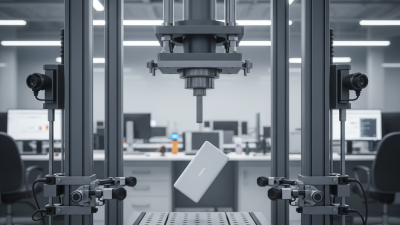
Drop Testing Machines use precise mechanisms to drop items from specific heights. This controlled environment allows manufacturers to gather reliable data. The results reveal how a product withstands shocks and falls. Many companies rely on this information for improving designs.
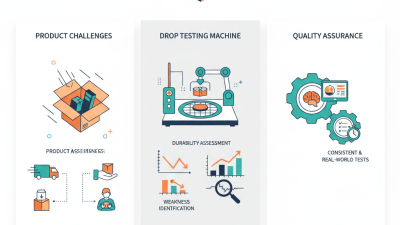
Despite advancements, challenges remain. Not all materials react the same way during tests. Some equipment may not perfectly replicate real-life conditions. Continuous improvements and adjustments are necessary. This ensures the Drop Testing Machine remains a reliable tool in assessing product resilience.
What is a Drop Testing Machine?
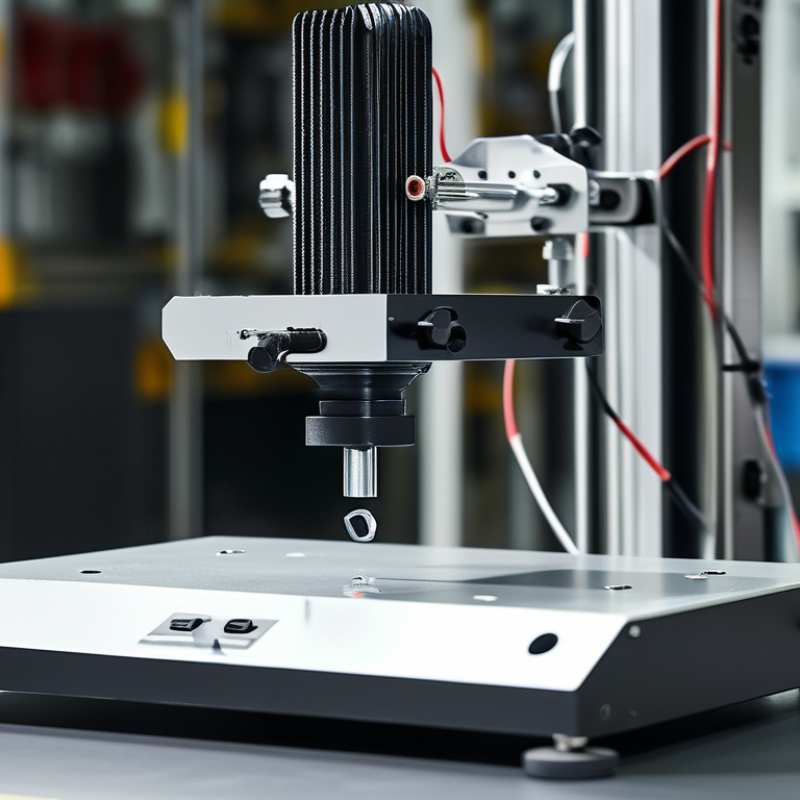
A drop testing machine is essential in evaluating the durability of products. It simulates the impact of falls through controlled drops from various heights. This testing ensures products withstand real-world conditions. Industries rely on these machines to prevent costly damages and enhance safety.
Research from industry reports shows that over 30% of product failures result from drop impacts. This statistic highlights the need for thorough testing to avoid potential recalls. Many companies utilize drop testing machines to assess packaging, electronics, and consumer goods. They can configure drop heights and angles, enabling comprehensive analysis.
Understanding how these machines function is crucial. Most use a pendulum or electronic system to drop a test sample. Results indicate if design flaws exist. However, some tests don't reflect actual handling scenarios. This discrepancy raises questions about test accuracy. Continuous improvement in testing methods is necessary for better reliability in results.
The Importance of Drop Testing in Product Reliability
Drop testing is crucial for assessing product reliability. Many products face rough handling during transportation and use. A well-structured drop testing regime helps identify potential weak points.
According to industry reports, nearly 60% of all product failures arise from transport-related issues. Testing helps simulate real-world conditions, unveiling risks tied to drops. A machine designed for this purpose applies specific heights and angles to mimic typical drops. Research indicates that products experiencing drop tests can reduce failure rates by up to 30%. This statistic highlights the remarkable impact of rigorous testing.
The findings emphasize that not all products with ideal designs perform as expected. While aesthetics matter, durability is vital. A robust drop testing process leads to production adjustments, reinforcing vulnerable components. Companies sometimes overlook routine testing, driven by time constraints. This negligence can translate to higher return rates and customer dissatisfaction. Attention to detail in drop testing is essential for building trust and reliability in any product.
Essential Components of a Drop Testing Machine
A drop testing machine is crucial for evaluating product durability. Essential components include the drop platform, release mechanism, and impact sensors. Each part plays a vital role in simulating real-world conditions products may face.
The drop platform usually comprises heavy-duty materials to withstand repeated impacts. It often features adjustable height settings, allowing for various drop distances. The release mechanism should be precise, ensuring that products drop freely without any obstructions. If not calibrated correctly, inaccuracies can lead to misleading results.
Impact sensors collect data on force and impact angle during tests. These measurements help manufacturers understand how products behave under stress. According to industry data, nearly 30% of products fail during drop testing. This statistic emphasizes the importance of meticulous component design to improve product reliability. While many machines function well, frequent calibration and maintenance often become overlooked, leading to diminished testing accuracy. This oversight invites potential design flaws in the final product.
How Drop Testing Machines Operate: A Step-by-Step Guide
Drop testing machines are essential tools for evaluating the durability of products. They simulate the impact of drops and shocks in a controlled environment. This testing process helps manufacturers identify weaknesses in their designs. By understanding how these machines operate, companies can improve their products and ensure customer satisfaction.
To begin, a drop testing machine consists of a platform, a drop mechanism, and sensors. The product is securely mounted on the platform. Once ready, the drop mechanism releases the item from a predetermined height. Sensors measure the impact force and record data. This data enables engineers to analyze how the product holds up under stress.
Despite their benefits, there are challenges in using drop testing machines. The testing conditions may not always replicate real-world scenarios. Variations in surface types and environmental conditions can skew results. This highlights the need for continuous refinement in testing methods. Additionally, interpreting the data requires expertise. Not all teams may have access to advanced analytical skills. Recognizing these limitations is vital for enhancing product designs.
Applications of Drop Testing in Various Industries
Drop testing is crucial across various industries. It helps evaluate product durability through simulation of real-world impacts. Many sectors, including packaging, electronics, and automotive, utilize drop testing to ensure safety and reliability.
In packaging, drop tests determine how materials withstand falls during transit. For electronics, devices must resist accidental drops without damage. Drop testing assesses their robustness and reliability. In automotive, components undergo rigorous testing to ensure they can endure shocks and impacts.
Despite its importance, drop testing often has limitations. Some products may fail under controlled conditions but perform well in real life. This gap highlights the need for continuous improvement. Testing methods must evolve as materials and designs change. The journey of refining these tests is ongoing.
What is a Drop Testing Machine and How Does it Work? - Applications of Drop Testing in Various Industries
| Industry |
Application |
Purpose of Drop Testing |
Key Parameters |
Regularity |
| Electronics |
Smartphone testing |
Ensure device durability |
Drop height, surface type |
Every production batch |
| Packaging |
Box integrity testing |
Assess packaging robustness |
Drop height, package contents |
Every shipment |
| Automotive |
Component testing |
Verify part resilience |
Impact angle, drop height |
Quarterly |
| Aerospace |
Equipment and tool testing |
Ensure safety of equipment |
Drop height, material type |
Before certification |
| Health Care |
Medical device testing |
Assess device reliability |
Drop height, device weight |
Post-manufacturing |