10 Essential Tips for Choosing Drop Test Equipment for Reliable Testing
In the world of product testing, Drop Test Equipment plays a vital role. Selecting the right equipment ensures that your products withstand real-world conditions. Renowned testing expert Dr. Emily Turner once said, "The accuracy of your drop tests directly influences product safety." This highlights the importance of choosing reliable tools.
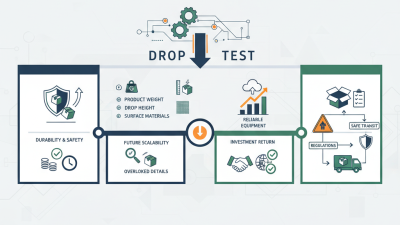
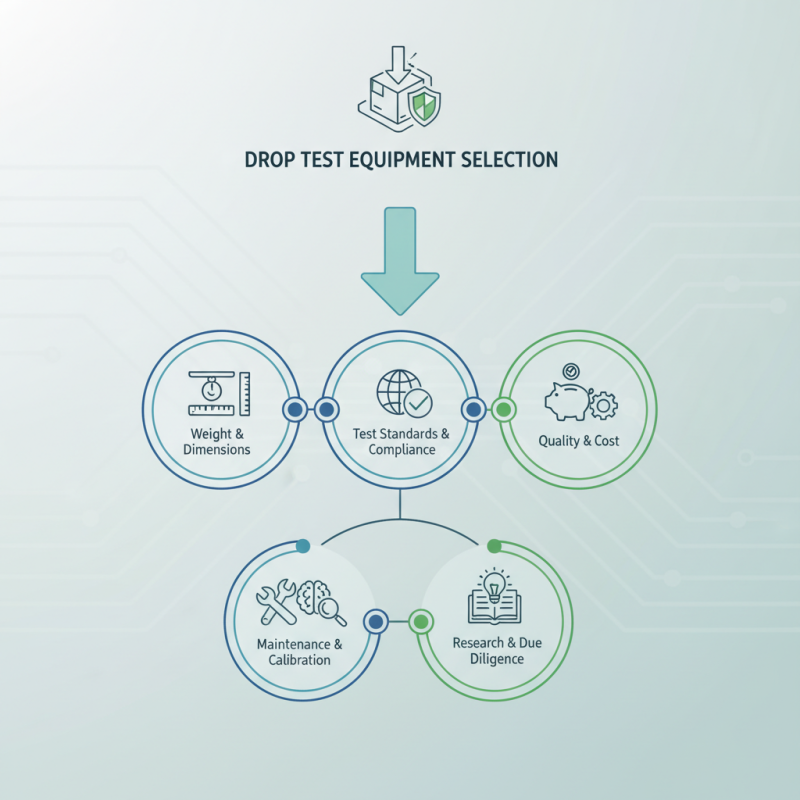
Many factors affect the selection process. First, consider the weight and dimensions of your products. Different devices handle different test sizes. Next, assess the test standards you need to meet. Compliance with industry standards is crucial for credibility. It's also important to remember that quality comes at a cost. Low-priced equipment may lack precision.
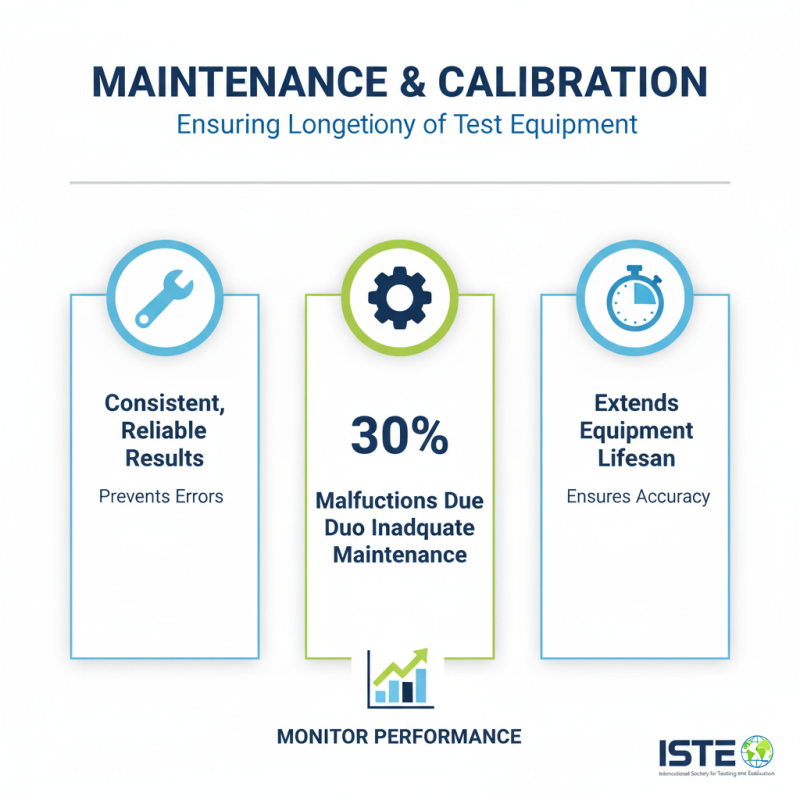
While technology advances, challenges sometimes arise in maintenance and calibration. Not all suppliers offer support or training. Therefore, researching each option thoroughly is essential. Ultimately, investing time in choosing the right Drop Test Equipment helps ensure your products are safe and reliable. Achieving this balance demands attention to detail and careful decision-making.
Understanding the Importance of Drop Test Equipment in Product Safety
Drop test equipment plays a crucial role in product safety. Ensuring a product can withstand falls is essential for consumer protection and brand reputation. According to a report by the International Organization for Standardization (ISO), 23% of product failures in the market are due to inadequate drop resistance. This statistic highlights the importance of rigorous testing.
Quality drop test equipment simulates real-world conditions. It must replicate various heights and surfaces accurately. For instance, drop tests often involve multiple angles and drop heights to assess vulnerability. Research by ASTM International indicates that 37% of products failed when subjected to drops from standard heights used during testing. Manufacturers should thus prioritize reliable equipment that mimics actual use.
Yet, choosing the right drop test equipment can be challenging. Many companies may opt for cheaper options, risking inadequate testing. This can lead to significant costs down the line. A flawed design may create safety hazards, leading to recalls. The data shows that recalls can cost companies up to $10 million on average. Companies must remain vigilant in their approach to testing to prevent such outcomes.
Drop Test Equipment Performance Metrics
Key Features to Look for in Drop Test Equipment
When selecting drop test equipment, key features are crucial for accuracy and reliability. Look for devices with adjustable drop heights to accommodate various testing standards. These adjustments allow precise simulations of real-world conditions, ensuring that the testing process reflects potential impacts experienced during product use.
Another essential feature is data recording capabilities. Effective equipment should track each drop's velocity and impact force. This data helps in analyzing how well a product withstands shock. High-speed cameras can also enhance testing. They provide insights into the failure mechanisms during a drop, offering a more comprehensive understanding of a product's durability.
Material quality plays a significant role too. Choose equipment made from robust materials that resist wear over time. Weakened structures can compromise testing integrity, leading to misleading results. It's important to reflect on your current testing setup. Are you getting consistent results? If not, consider these features carefully to improve your testing reliability and outcomes.
Evaluating the Accuracy and Precision of Drop Test Equipment
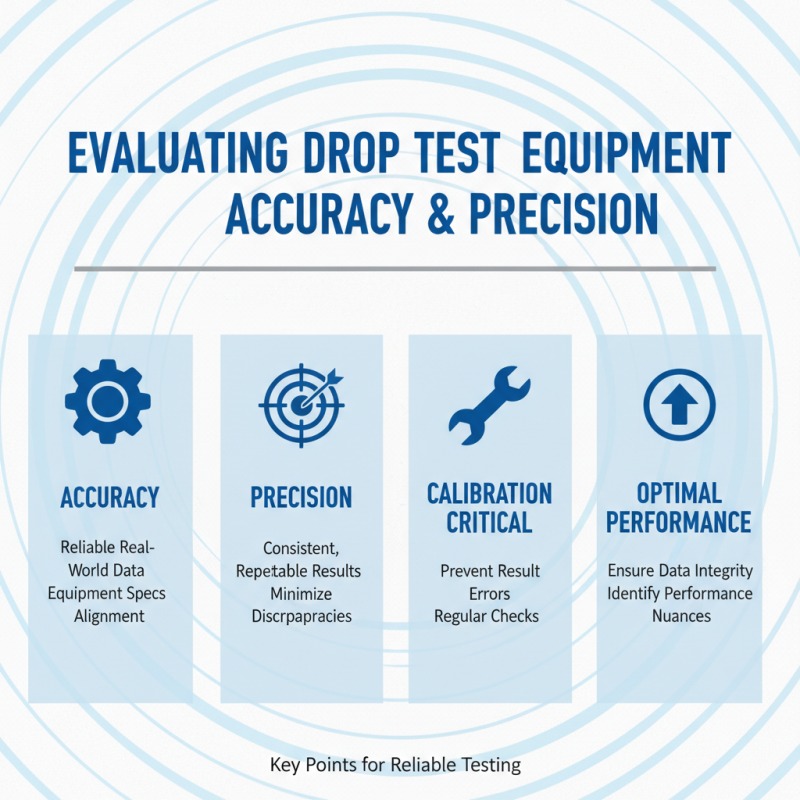
When evaluating drop test equipment, accuracy and precision are critical. Accurate devices provide reliable data that reflect real-world conditions. It's essential to ensure that the equipment's specifications align with your testing needs. Many users overlook calibration requirements, leading to discrepancies in results. Regular checks can reveal nuances that affect performance.
Precision refers to the consistency of measurements. Equipment that delivers varying results on repeated tests can lead to flawed conclusions. Pay attention to factors like drop height and surface type, as they must be consistent for valid tests. Some equipment may not perform well in different environments, showing varied results.
Often, users may focus on high-tech features while neglecting basic functions. Simple, robust designs can sometimes outperform complex machines. Challenge your assumptions about what you need. It might be beneficial to conduct evaluations with multiple devices to compare results objectively. Reflecting on your equipment's performance can yield insights for future tests. This approach helps identify strengths and flaws, ultimately leading to better-informed decisions.
Benefits of Using Automated vs. Manual Drop Test Equipment
When considering drop test equipment, one key decision is between automated and manual systems.
Automated drop test machines provide precision and consistency. They can execute tests quickly, reducing human error. With automated setups, you often get repeatable results. This is crucial for product reliability and safety assessments.
However, manual testing has its place. It offers flexibility and adaptability. Engineers can adjust test parameters on the fly. This hands-on approach may uncover issues that automation overlooks. Sometimes, subjective judgment is necessary. A trained eye can catch potential failures that machines might miss.
Both methods have benefits, but they also demand careful consideration. Automated systems can be costly. Maintenance and calibration are ongoing necessities. On the flip side, manual testing can be time-consuming and labor-intensive.
Striking a balance between efficiency and thoroughness is essential. It’s advisable to evaluate your specific needs, allowing real-world scenarios to guide your decision process.