10 Essential Tips for Using an Altitude Chamber Effectively
Altitude chambers have become essential in sports and fitness training. According to a report by the National Athletic Trainers' Association, 72% of athletes report improved performance after using altitude chambers. These facilities simulate high-altitude conditions, enhancing endurance and recovery. Dr. Rebecca Hughes, a leading expert in exercise physiology, states, "Altitude chambers can transform an athlete's capabilities, but effectiveness depends on proper usage."
Many misunderstand the optimal practices for altitude chamber usage. Without guidance, users may not realize they risk diminishing their benefits. Eliciting gains requires attention to specific practices. For example, duration, frequency, and individual physiological responses are crucial factors. Proper acclimatization maximizes results, yet individuals often underestimate the adaptation process.
Users need to understand the equipment to harness its full potential. Factors like chamber pressure and oxygen levels greatly impact performance outcomes. Misconceptions persist about effortless gains from the altitude chamber experience, leading to potential frustration. Fine-tuning these practices can set the course for a transformative training journey.

Understanding the Altitude Chamber and Its Benefits for Athletes
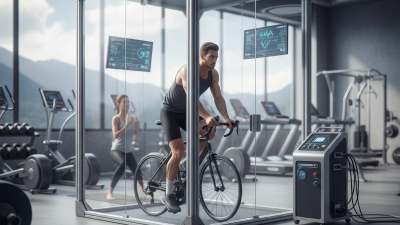
Altitude chambers simulate high-altitude conditions. They are beneficial for athletes aiming to enhance performance. These chambers can improve oxygen efficiency. When training in a low-oxygen environment, the body adapts. This adaptation can lead to better endurance and stamina. Many athletes find that using an altitude chamber enhances their overall training regimen.
However, not every athlete responds the same way to altitude training. Some may feel fatigued or experience headaches. It's essential to listen to your body when using an altitude chamber. Staying hydrated helps mitigate these discomforts. Gradually increasing your exposure to the chamber can assist in smoother transitions. Some athletes may even need to adjust their routines based on personal reactions.
Understanding individual responses is vital. Though altitude training can offer significant benefits, it requires careful management. Consulting with a trained professional can help maximize effectiveness. Documenting your experiences can provide insights into your body's reactions. This process fosters better training decisions and encourages growth. Keep in mind that not every session will feel productive, and that's okay. Embracing the journey is part of improving as an athlete.
Key Physiological Changes in the Body During Altitude Exposure
Altitude exposure leads to significant physiological changes in the body. One of the most notable changes is increased respiration rate. As oxygen levels drop, the body compensates by breathing faster. This adjustment helps to deliver more oxygen to tissues. The heart rate also rises significantly during altitude exposure. This is essential for maintaining adequate blood flow to vital organs.
After several days at high elevations, the body begins creating more red blood cells. This process, known as erythropoiesis, enhances oxygen transport. However, not everyone adapts equally. Some individuals may experience altitude sickness due to these changes. Symptoms include headache, fatigue, and nausea. Monitoring your body's response is crucial. Hydration plays a key role, as dehydration can exacerbate altitude-related issues.
At high altitudes, your body also begins to optimize energy use. It shifts from relying solely on carbohydrates to utilizing fats. This change can benefit endurance athletes. However, acclimatization varies from person to person. Not everyone can adapt quickly or fully. It is essential to approach altitude training with caution, paying close attention to how your body feels. Identify your limits and be mindful of your health.
Physiological Changes During Altitude Exposure
Recommended Duration and Frequency for Effective Altitude Chamber Use
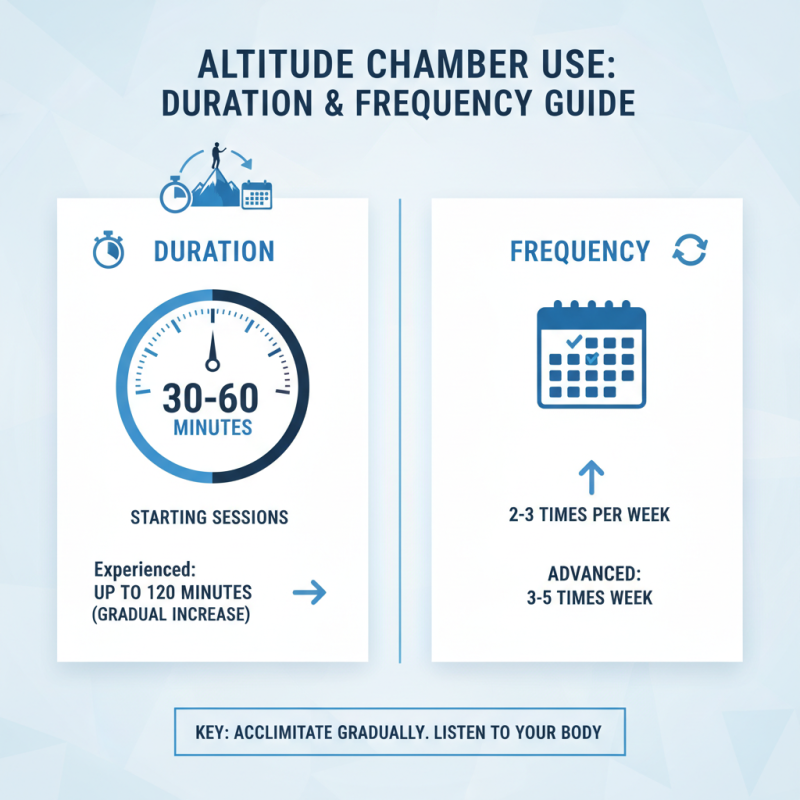
When using an altitude chamber, understanding the recommended duration and frequency is crucial. Most experts suggest starting with sessions that last between 30 to 60 minutes. This timeframe allows your body to acclimatize without overwhelming it. As your comfort grows, consider extending your time. Some athletes engage in sessions up to 120 minutes, but this requires experience. Gradually increasing your exposure helps prevent adverse effects.
Frequency matters just as much. Aim for three to five sessions each week for optimal results. This regularity encourages physiological adaptations. However, not everyone responds the same way. Some may feel fatigued after just a few sessions, while others thrive on consistency. Listen to your body; recovery is essential. Pay attention to how you feel. If you experience excessive fatigue or headaches, reassess your schedule.
Trial and error will guide you. It’s perfectly normal to take time to find what works best. Experiment with session lengths and daily frequencies. This will help you establish a personalized routine. Altitude training is an effective tool, but it demands patience and mindfulness. Keep track of your progress and remain adaptable. Your journey in the altitude chamber can lead to impressive results, but it’s a learning process.
Safety Considerations and Contraindications for Using Altitude Chambers
Using an altitude chamber can be an effective way to enhance athletic performance and adapt to high-altitude conditions. However, safety should always come first. Individuals with respiratory conditions, such as asthma, should approach altitude chambers with caution. The chamber's low oxygen levels can trigger severe reactions. Pregnant women are also advised against using these chambers. The potential risks to both mother and fetus remain a significant concern.
Dehydration is another issue. Spending time in an altitude chamber can lead to faster fluid loss. It is crucial to stay hydrated before and after each session. Those with cardiovascular conditions must be especially careful, as the chamber's environment can put extra strain on the heart. Monitoring your heart rate can help. If you notice any discomfort or unusual symptoms, it is wise to exit the chamber promptly.
Understanding individual limits is vital. Some may experience headaches or dizziness. Listening to your body is crucial. Reflect on your experiences after each session. This feedback can guide future use and optimize results. Altitude training can be beneficial, but mindful practices ensure a safer environment.
Integrating Altitude Training with Other Fitness Regimens for Optimal Results
Integrating altitude training into your fitness regimen can enhance performance. It’s not just about spending time in the chamber. You need a plan. First, understand your body’s response to high altitude. Monitor changes in your recovery times and overall stamina. Awareness is key here.
Combine altitude training with endurance workouts, strength training, and flexibility exercises. This synergy can amplify results. Try alternating between different routines to prevent burnout. Experiment with timing—some prefer post-altitude workouts while others report better results before.
Listen to your body and adjust as needed. Remember, altitude training can be taxing. Some users feel fatigued or experience headaches. Not everyone responds equally. If this happens, scale back your sessions. It’s okay to take breaks. Reflect on your experience often. Keep what works and leave behind what doesn’t. Your best outcome lies in customization.