Aging Testing Room Solutions for Global Buyers in 2026
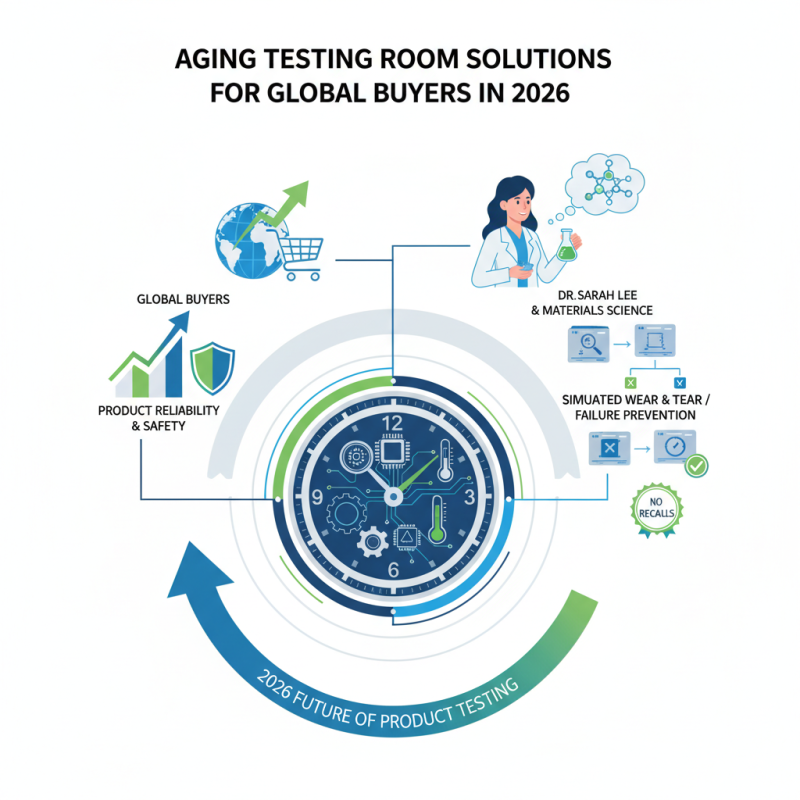
In the fast-evolving world of product testing, the "Aging Testing Room" holds significant value for global buyers. As we approach 2026, manufacturers must ensure their products withstand the test of time. Renowned expert Dr. Sarah Lee, a leader in materials science, states, "Understanding aging effects in products is crucial for consumer safety and reliability."
These testing environments simulate years of wear and tear in a controlled setting. They help identify potential failures before products reach the market. However, many companies still underestimate the importance of rigorous aging tests. This oversight can lead to costly recalls and damaged reputations.
Despite advancements, some still struggle with the complexities involved in creating effective aging scenarios. Standard protocols can vary widely across industries. Buyers face the challenge of aligning specific testing requirements with the capabilities of their chosen Aging Testing Room. Rethinking and refining these approaches is essential for the future. Delays or poor testing can jeopardize a product's success in today’s competitive landscape. Understanding these dynamics is a must for all stakeholders.
Aging Testing Room Overview: Importance and Applications in 2026
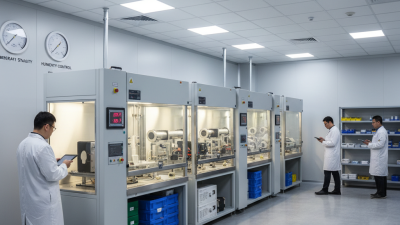
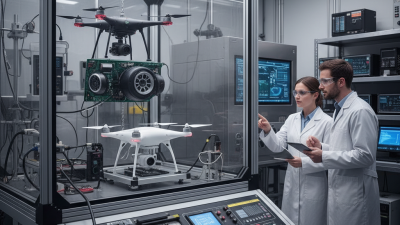
Aging testing rooms play a vital role in product development. They simulate long-term effects of aging on materials and products. This testing is crucial for industries such as electronics, automotive, and pharmaceuticals. These sectors demand reliability and durability. The insights gained help manufacturers understand how products will perform over time.
In 2026, the applications of aging testing will continue to expand. Companies will need to address increasingly complex challenges. Effective aging evaluations can prevent costly failures later. The process can be tedious. It often requires careful monitoring and adjustments. Each test comes with its own unique variables. This makes critical analysis essential for reliable results.
While the importance of aging testing is clear, many still overlook it. Some industries may rush product development. This can lead to unforeseen consequences. Investing time in proper aging tests can save resources long-term. Balancing speed and thoroughness remains a challenge. Companies must reflect on their approach to ensure quality and safety.
Aging Testing Room Solutions for Global Buyers in 2026
| Category |
Importance |
Applications |
Estimated Market Growth (%) |
| Consumer Electronics |
High |
Testing durability of devices like smartphones, laptops |
15% |
| Automotive |
Critical |
Assessing parts like batteries and electronic components |
10% |
| Pharmaceuticals |
Essential |
Stability testing for drug formulations |
12% |
| Construction Materials |
Moderate |
Testing resilience of materials under environmental stress |
8% |
| Textiles |
High |
Evaluating fabric durability and colorfastness |
9% |
Regulatory Standards Impacting Aging Testing Strategies Worldwide
As global attention turns to aging testing strategies, regulatory standards are reshaping methodologies worldwide. In 2026, the landscape will be shaped by requirements from organizations like ISO and ASTM. These bodies are emphasizing the need for consistent testing environments to ensure product reliability. Recent studies indicate that over 65% of manufacturers perceive compliance with these standards as critical for market acceptance.
Tips: Establish a comprehensive protocol for aging tests. Ensure that your testing room meets regulatory standards to prevent costly delays.
Various regions enforce distinct regulations, highlighting the importance of understanding local requirements. For example, regulatory changes in Europe focus on sustainability, aiming to eliminate detrimental environmental impacts. This shift influences product lifespan assessments significantly, prompting manufacturers to adapt their strategies.
Tips: Regularly review your compliance status against evolving standards. Continuous learning can prevent potential project setbacks.
Ultimately, while regulatory frameworks provide essential guidance, they can also introduce complexities. Companies must remain proactive, balancing between adhering to standards and innovating aging testing processes. Engaging with industry experts can enhance your approach and foster reliability in product development.
Market Trends Shaping Aging Testing Room Demand by 2026
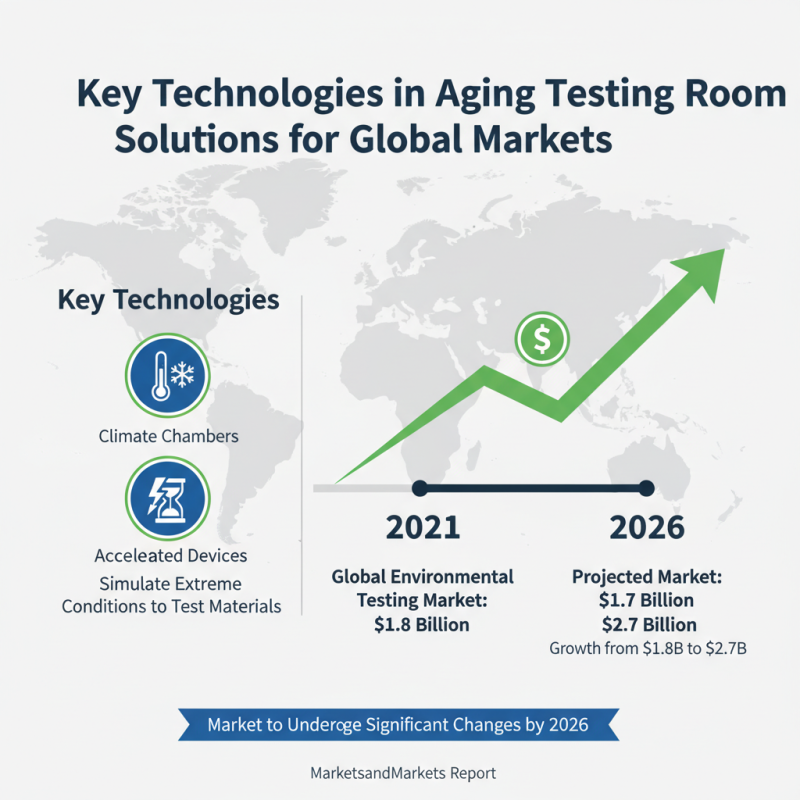
As demand for aging testing room solutions grows, several industry trends are emerging. According to recent reports, the global aging testing market is projected to reach $500 million by 2026, driven by an aging population and increasing healthcare demands. These testing rooms are pivotal for evaluating the longevity and durability of products designed for older adults.
Sustainability is a key trend shaping this market. Testing rooms are increasingly incorporating eco-friendly materials and energy-efficient technologies. A recent study revealed that 30% of buyers prioritize sustainability when selecting testing solutions. However, not all facilities are equipped for these changes. Many lack access to the latest technologies that can enhance testing accuracy and efficiency.
Another significant trend is the integration of digital solutions. The rise of telehealth has led to a need for virtual testing options. Reports indicate that 25% of organizations are investing in digital aging testing technologies. This shift presents challenges, as it requires a high level of expertise. The gap in knowledge may hinder the effective implementation of these innovations in testing rooms. Addressing these skills shortages is essential to fully leverage emerging trends.
Aging Testing Room Solutions Market Trends - 2026
This chart illustrates the projected demand for Aging Testing Room solutions from 2022 to 2026. The data indicate a significant upward trend, reflecting increasing interest and necessity in this market segment as it evolves to meet global standards and consumer needs.
Future Innovations in Aging Testing Room Solutions and Their Implications
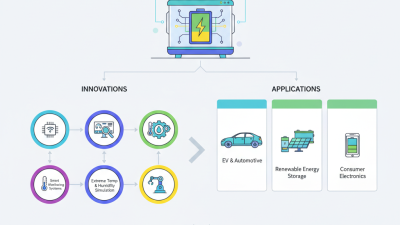
As we look ahead to 2026, aging testing room solutions are set to undergo significant transformations. Emerging technologies will reshape how environments simulate the aging process. From smart sensors to virtual reality, these innovations promise to create more accurate aging scenarios. For example, integrating AI algorithms can optimize temperature and humidity controls. Such precision will enable better research on aging effects.
However, there are challenges. Not all solutions will be universally applicable. Different environments may require unique adaptations. This inconsistency poses a risk to standardization in testing protocols. Moreover, the reliance on technology may overshadow the importance of traditional methods. Balancing innovation with empirical evidence is crucial for credibility in this field.
As these solutions evolve, the implications extend beyond research. Industries will need to adapt to new testing standards. This shift could impact product development and safety protocols. Collaborating with experts will be essential to navigate these changes. Businesses must remain vigilant, ensuring that innovation does not compromise quality or reliability.