Top 10 Drop Test Equipment for Reliable Impact Testing Solutions?
In today's competitive landscape, robust impact testing is crucial. Companies rely on Drop Test Equipment to ensure product reliability and safety. A recent industry report from Smith Industries shows that over 70% of product failures result from inadequate impact protection. This highlights the pressing need for rigorous testing protocols.
Expert Dr. Emily Huang, a renowned materials engineer, states, "The right drop test equipment can be the difference between a successful product and a costly failure." Her insights emphasize the importance of selecting appropriate testing solutions. The challenges in this field are evident. Many manufacturers underestimate the impact of drop testing on product longevity.
Innovations continue to emerge, yet companies must remain vigilant. Some drop test machines lack accuracy or adaptability. Others are simply too complex, leading to user errors. A thoughtful approach to choosing drop test equipment is paramount for optimizing testing processes and enhancing product quality.
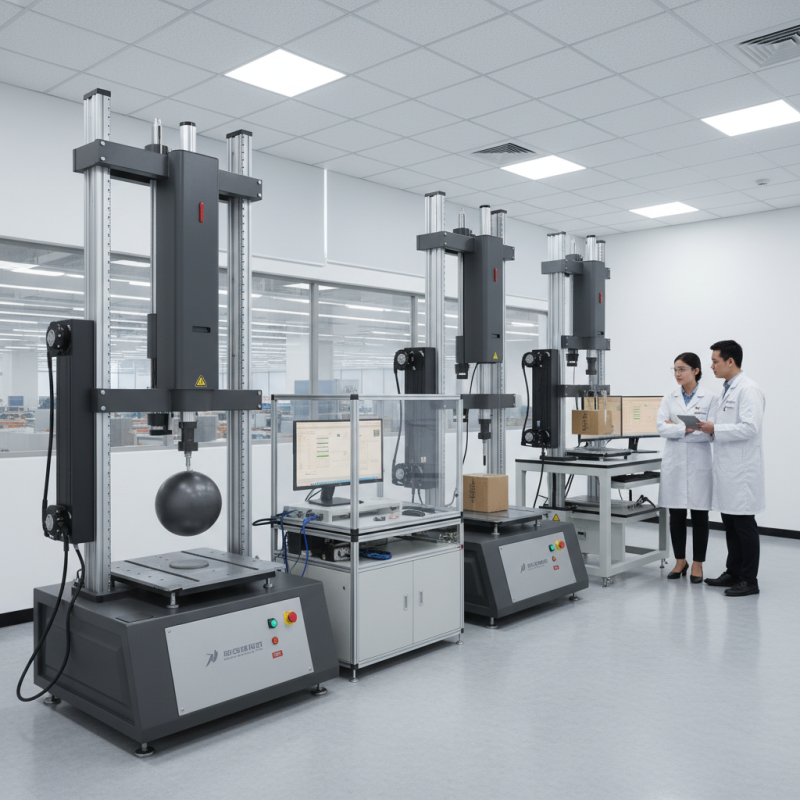
Definition and Importance of Drop Test Equipment in Impact Testing
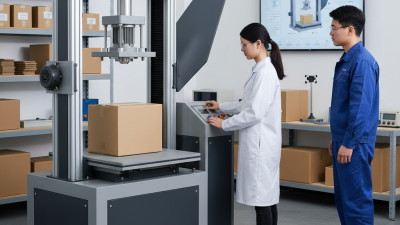
Drop test equipment plays a crucial role in impact testing. These devices assess how products withstand shocks and falls. They help manufacturers ensure safety, quality, and performance. Companies rely on reliable data from these tests to improve designs and materials. Without accurate testing, products may fail during real-world use, leading to safety hazards.
The importance of drop test equipment cannot be overstated. It simulates various conditions that items might encounter during shipment or use. This testing helps identify vulnerabilities in product designs. Analyzing results can highlight weaknesses that require attention. Many manufacturers encounter challenges in achieving reliable testing outcomes. They must consider varying drop heights and surface types, which complicates the testing process.
Impact testing solutions must evolve with new technologies. Traditional methods may lack the sensitivity needed for modern applications. Manufacturers can struggle to interpret data effectively. Investing in advanced testing equipment can yield better results, but costs can become a concern. Many researchers must balance quality with budget constraints, which can lead to difficult decisions. Improving drop test practices is an ongoing journey for many in the industry.
Key Features to Consider When Selecting Drop Test Equipment
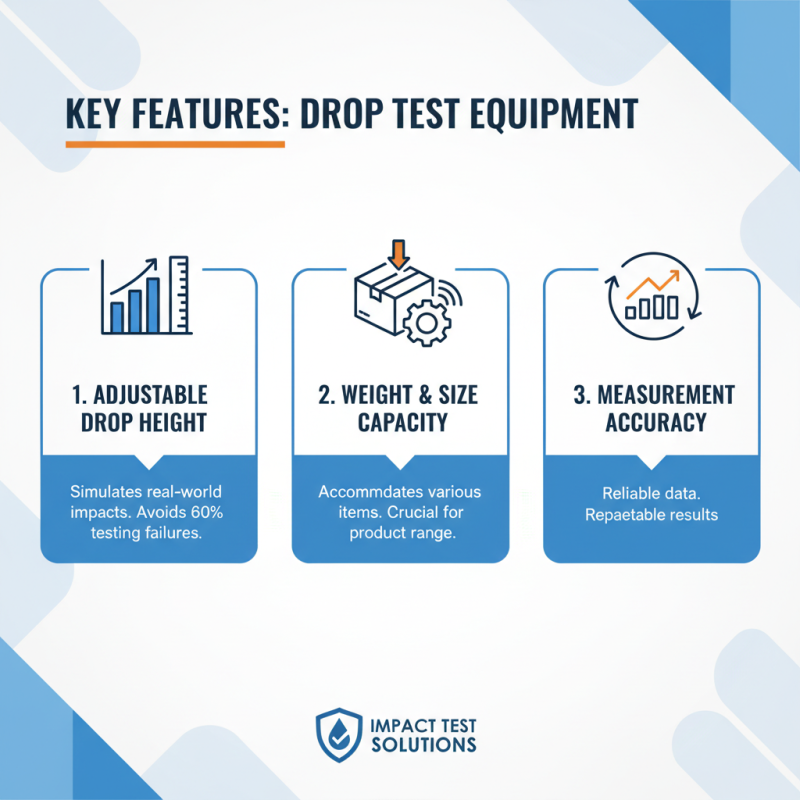
When selecting drop test equipment, several key features should be considered to ensure reliable impact testing solutions. First, the adjustable drop height is crucial. This allows for testing different impact levels, simulating real-world scenarios. According to a study by the International Society of Automation, over 60% of testing failures arise from inadequate drop heights.
Another important feature is the impact surface. The type of surface can significantly affect the impact forces. A rigid surface may yield different results compared to a more flexible one. Choosing the right surface is critical for accuracy. The impact data must correlate with actual usage conditions.
Tips: Always assess the calibration of the equipment. Regular checks ensure data reliability. Also, look for equipment that offers versatile test modes. This flexibility will enhance your testing process.
Finally, user-friendliness matters. The interface should be intuitive. Complicated machinery can lead to errors in testing. Understand that even advanced equipment can have a learning curve, which may hinder productivity. Balancing complexity with usability is essential for effective testing. Prioritizing these features will help in selecting optimal drop test equipment.
Top 10 Recommended Drop Test Machines and Their Specifications
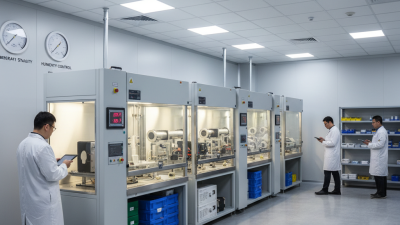
When selecting drop test equipment, it’s crucial to focus on reliability and specifications. Reliable impact testing solutions are essential in various industries. They ensure products meet safety and durability standards. Each machine has unique features tailored for specific testing needs.
For example, some machines offer adjustable drop heights. This feature allows for customized testing conditions. Others include precise measurement tools to assess impact damage. Consider the payload capacity of the machine. This will affect the types of products you can test.
Tips: Pay attention to user reviews. They often highlight the pros and cons of each machine. Also, consider the maintenance requirements. Regular care can extend the life of your testing equipment. Understanding the limitations of your chosen equipment is essential. Machines may not be suitable for all product types, requiring further evaluation.
Comparison of Drop Test Equipment Based on Industry Applications
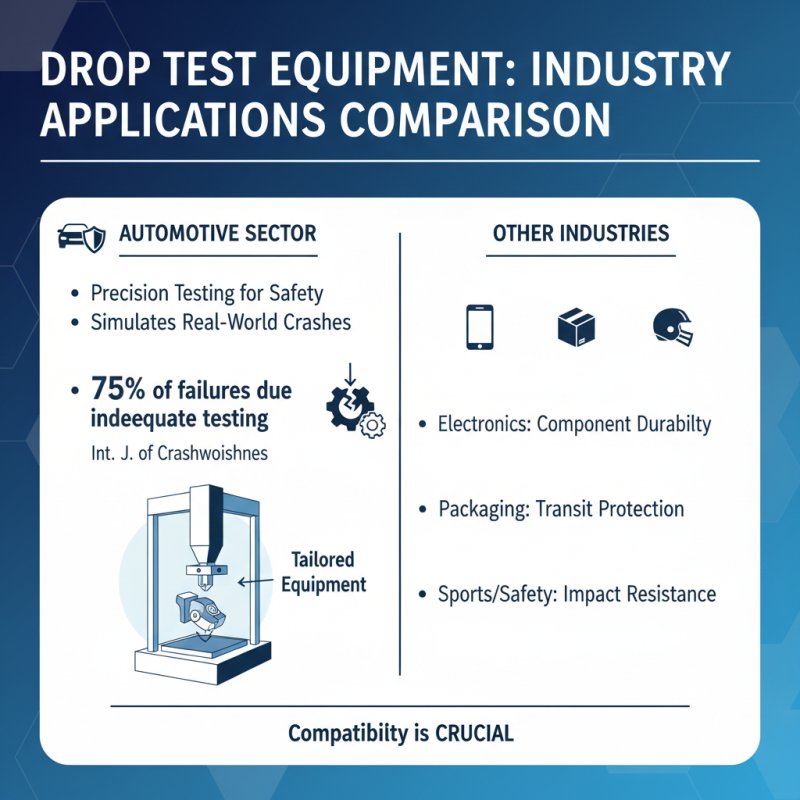
When selecting drop test equipment, compatibility with industry applications is crucial. The automotive sector, for instance, demands precision testing to ensure safety. A report by the International Journal of Crashworthiness indicated that about 75% of automotive failures during impact relate to inadequate testing measures. Test equipment tailored for this sector should simulate real-world conditions effectively.
Electronics testing focuses on protecting sensitive components. According to a study by the Institute of Packaging Professionals, about 30% of product returns stem from damage incurred during transport. Equipment designed for electronics must replicate various drop heights and angles. This variability fosters resilience in products, enhancing reliability in the marketplace.
The aerospace industry, known for its rigorous safety standards, requires sophisticated drop test solutions. A 2022 report from the Aircraft Safety Institute highlighted that about 45% of manufacturing defects stem from insufficient testing protocols. Investments in advanced drop test machinery can prevent potential errors and improve overall quality. Industry advancements continue to evolve, reflecting a collective responsibility for product safety and durability.
Future Trends and Innovations in Drop Testing Technologies
As industries evolve, drop testing technologies are experiencing remarkable innovations.
Engineers are increasingly integrating advanced materials and design features into drop test equipment. This ensures more reliable assessment of product durability under impact.
These innovations focus on precision in measuring the forces exerted during drops.
Enhanced sensors are crucial for obtaining detailed data, allowing for better analysis of weaknesses in products.
Another trend is the shift toward automation in testing procedures.
Automated systems reduce human error and increase efficiency. They offer better consistency in testing conditions, which is vital for data accuracy.
Emerging technologies, such as artificial intelligence, are also enhancing predictive modeling.
These models can simulate various drop scenarios, aiming to identify potential failures before they occur.
Yet, reliance on technology can create gaps in understanding fundamental principles.
It raises questions about the balance between automation and skilled expertise.
Lastly, sustainability is becoming a key factor.
Manufacturers are challenged to develop eco-friendly materials for testing equipment.
The pressure to minimize environmental impact is substantial.
However, not all solutions are efficient or practical.
This ongoing quest for better options will likely lead to more discussions about long-term viability and effectiveness in the industry.