What are the Benefits of Using an Altitude Chamber in Training?
Altitude Chamber training has gained significant attention in recent years. Athletes and trainers are increasingly using it to boost performance. A report by the Journal of Sports Science indicates that altitude training can improve endurance by 3-5%. This enhancement can be crucial for competitive athletes seeking an edge.
The principle behind the Altitude Chamber is simple. It simulates high-altitude conditions. By doing so, it forces the body to adapt to lower oxygen levels. This adaptation can lead to increased red blood cell production. Statistics show that over 60% of elite athletes now incorporate altitude training into their regimen. This trend underscores its growing acceptance in professional sports.
However, the use of an Altitude Chamber isn't without challenges. Some users report discomfort or difficulty adjusting. There can also be variations in individual responses to altitude stress. These factors necessitate careful monitoring for optimal results. Athletes must be vigilant about their training protocols. The journey with altitude training is not always straightforward, demanding a reflective approach to maximize benefits.

Benefits of Using an Altitude Chamber in Training
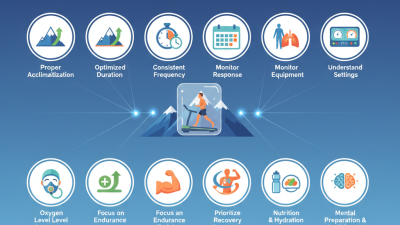
Altitude chambers provide unique training advantages for athletes. These chambers simulate high-altitude environments, reducing oxygen levels. This mimics conditions found at great heights, helping the body adapt. Athletes can enhance their endurance and performance by training in these environments.
One key benefit is improved oxygen efficiency. When training in an altitude chamber, the body learns to use oxygen more effectively. This leads to better stamina in competitions. Additionally, the body produces more red blood cells, which transport oxygen. Increased red blood cell count also contributes to heightened performance.
While altitude training has advantages, it might not be suitable for everyone. Some individuals may experience altitude sickness or discomfort. Adjusting to these environments can take time. It's essential for athletes to monitor their reactions and adapt their training accordingly. Experimentation with altitude training can yield different results for each athlete.
What are the Benefits of Using an Altitude Chamber in Training?
| Benefit |
Description |
Scientific Support |
| Enhanced Oxygen Utilization |
Training in lower oxygen levels stimulates the body to use oxygen more efficiently. |
Studies show improved VO2 max post altitude training. |
| Increased Red Blood Cell Production |
Simulated altitude encourages erythropoiesis, enhancing endurance. |
Research supports increased hematocrit levels with altitude exposure. |
| Improved Lactate Threshold |
Trains the body to manage lactate better, delaying fatigue. |
Evidence indicates altered lactate dynamics with altitude acclimatization. |
| Mental Adaptation |
Adapting to stressors of low oxygen environments aids mental toughness. |
Psychological studies support improved coping skills after altitude training. |
| Weight Management |
Altitude training may increase metabolic rate and fat oxidation. |
Research has shown changes in metabolism when exposed to altitude. |
Enhanced Aerobic Capacity Through Hypoxia Exposure
Altitude chambers are increasingly popular in training regimes, particularly for athletes seeking to enhance their aerobic capacity. Exposure to hypoxia, or reduced oxygen levels, stimulates the body to adapt and improve its efficiency. Research indicates that consistent hypoxic training can lead to a 5-10% increase in aerobic capacity, providing significant benefits for endurance athletes.
During hypoxia training, the body responds by increasing red blood cell production. This adaptation is crucial as it improves oxygen delivery to muscles during exertion. A study conducted by the Journal of Sports Science found that athletes who utilized altitude chambers saw marked improvements in VO2 max—the maximum amount of oxygen their bodies can utilize during intense exercise. These improvements typically occur within a few weeks, making hypoxia training a time-effective strategy.
However, not every individual responds to altitude training in the same manner. Factors like genetics and current fitness levels can influence results. Some may experience altitude sickness or fatigue, which can hinder performance. Therefore, it's essential for athletes to monitor their reactions and adjust their training accordingly. Understanding these nuances is vital for effectively leveraging altitude training's potential benefits.
Benefits of Using an Altitude Chamber in Training
Improvement in Anaerobic Performance Metrics
Altitude training has gained traction for its potential to enhance anaerobic performance metrics. By simulating high-altitude conditions, athletes expose their bodies to lower oxygen levels. This environment prompts physiological adaptations that can significantly improve performance.
Research indicates that athletes training in altitude chambers often experience a marked increase in lactate threshold. A study published in the Journal of Sports Sciences found that athletes trained at simulated altitudes show a 10-15% improvement in anaerobic capacity. This enhancement is crucial for sports demanding short bursts of high-intensity effort, such as sprinting or weightlifting.
Additionally, an altitude chamber training program may lead to increased production of red blood cells. This mechanism enhances oxygen delivery to the muscles, promoting better energy output. However, not all athletes respond equally to altitude training. Some may find it challenging to adapt, potentially leading to feelings of fatigue or decreased performance during initial training phases. It is vital for athletes and coaches to monitor these responses closely.
Accelerated Recovery and Reduced Muscle Fatigue
Altitude chambers have become a vital tool in athletic training, especially for recovery. These chambers simulate high altitudes, forcing the body to adapt. Research indicates that such adaptations can lead to improved oxygen efficiency. According to a study published in the Journal of Sports Sciences, athletes using altitude training reported a significant reduction in muscle fatigue.
Accelerated recovery is another key benefit of altitude chambers. Engaging in post-exercise recovery sessions at high altitudes can enhance the body's healing processes. A report from the American College of Sports Medicine highlights that athletes experience faster recovery rates, with some citing up to a 30% decrease in recovery time after intense workouts. This expedited healing allows athletes to return to training quicker and maintain their performance levels, reducing the risk of overtraining.
Despite these benefits, not every athlete benefits equally from altitude training. Individual responses can vary widely based on fitness levels and genetic factors. Some may experience limited effects or heightened fatigue instead. Understanding personal limits and monitoring body reactions is essential when utilizing altitude chambers.
Psychological Benefits: Mental Toughness and Focus Enhancement
Training in an altitude chamber offers numerous psychological benefits that enhance mental toughness and focus. When athletes train under simulated high-altitude conditions, their body learns to cope with stress. This leads to improved resilience in both physical and mental challenges. A study published in the "Journal of Applied Physiology" found that altitude training can enhance cognitive function by 8-12%. This boost in mental clarity is critical during competition.
Moreover, altitude exposure can increase the production of erythropoietin (EPO), which promotes red blood cell production. This physiological change improves oxygen delivery to the brain and enhances focus. Athletes report feeling more alert and engaged during and after altitude training sessions. They often describe a sense of accomplishment, noting that overcoming the challenges of an altitude chamber builds their confidence.
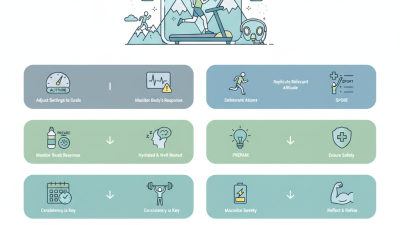
Tips: Set clear goals when training in an altitude chamber. Write down what you hope to achieve, whether it's improved stamina or focus. Regularly reflect on these goals to assess progress. Challenge yourself by varying your altitude settings to push your limits. Finally, practice mindfulness techniques during training to better connect physically and mentally with the environment.
Conclusion
The use of an altitude chamber in training offers several significant benefits that can enhance an athlete's performance. One major advantage is the improved aerobic capacity achieved through hypoxia exposure, which simulates high-altitude conditions. This environment not only boosts endurance but also leads to advancements in anaerobic performance metrics, enabling athletes to perform better in high-intensity situations.
Furthermore, altitude chambers can accelerate recovery and reduce muscle fatigue, allowing athletes to train harder and recover more efficiently. There are also psychological benefits, as training in these chambers can enhance mental toughness and focus, essential attributes for peak performance. Finally, training at simulated elevations helps athletes adapt to environmental stressors, providing a competitive edge in various conditions. In summary, utilizing an altitude chamber can significantly impact physical capabilities and mental resilience in sports training.