What Are the Benefits of Using a Climate Chamber?
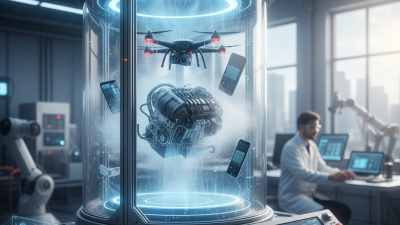
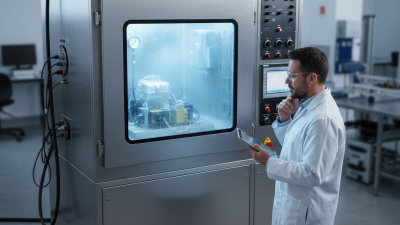
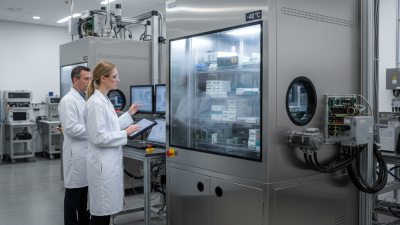
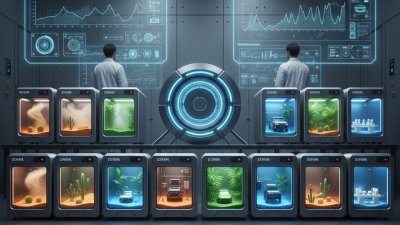
In the realm of environmental testing, a Climate Chamber is indispensable. Dr. Emily Carter, a leading expert in controlled environments, states, “Climate Chambers provide precise conditions for accurate testing.” This technology allows researchers to simulate various climatic scenarios, essential for product durability testing.
These chambers replicate extreme temperatures and humidity levels, enabling companies to assess their products under realistic stressors. Engineers and scientists can examine how materials react to moisture and heat over time. This insight is crucial in enhancing the reliability of products, from electronics to pharmaceuticals.
Yet, climate chambers are not without challenges. The initial investment and maintenance costs can be significant. Additionally, the calibration process requires expertise to ensure accuracy. Despite these hurdles, the benefits far outweigh the drawbacks. As industries strive for sustainability, climate chambers will continue to play a vital role in product innovation and development.
Benefits of Climate Chambers in Scientific Research and Testing
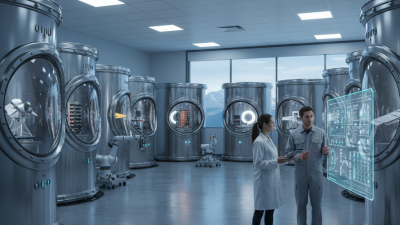
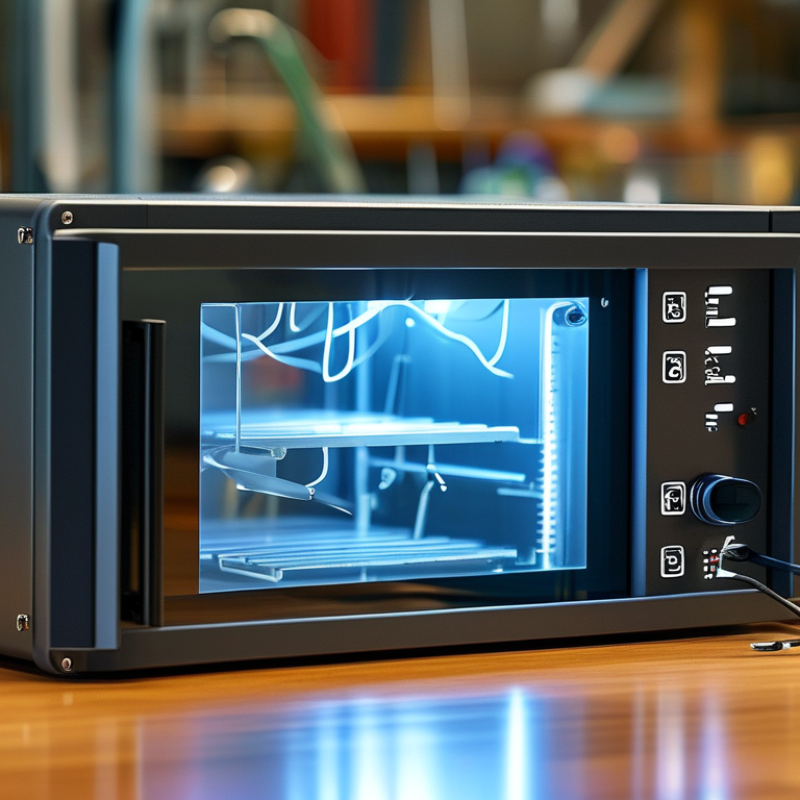
Climate chambers play a pivotal role in scientific research and testing. They provide controlled environments where researchers can simulate various climate conditions. This capability is crucial for studying how organisms, materials, and systems respond to temperature, humidity, and pressure changes. In fields like agriculture, biology, and material science, these chambers offer invaluable insights.
Researchers appreciate the precision that climate chambers deliver. For example, studying plant growth under specific conditions helps in enhancing crop yield. However, these environments can also reveal unexpected challenges. Not all species thrive under controlled conditions. Some may exhibit stress, raising questions about adaptability in real-world scenarios. Understanding these limitations is essential for accurate data interpretation.
Furthermore, climate chambers help in product testing. They simulate extreme weather to evaluate durability and performance. This process aids industries in ensuring quality and reliability. Nevertheless, relying solely on chamber data may overlook other critical environmental factors. Scientists must balance lab findings with field trials for comprehensive results. Emphasizing both strengths and weaknesses leads to more profound insights.
What Are the Benefits of Using a Climate Chamber? - Benefits of Climate Chambers in Scientific Research and Testing
| Benefit |
Description |
Application Area |
| Controlled Environment |
Allows testing under specific temperature and humidity settings. |
Material Science, Biology |
| Repeatability |
Ensures consistent conditions for reliable results across experiments. |
Pharmaceuticals, Food Testing |
| Simulating Real World Conditions |
Mimics extreme environmental conditions to test durability. |
Electronics, Automotive |
| Accelerated Testing |
Speeds up aging processes to predict long-term performance. |
Construction Materials, Consumer Products |
| Research and Development |
Facilitates innovative product development under controlled conditions. |
Chemicals, Agricultural Science |
Enhanced Environmental Control for Agricultural Studies and Crop Testing
Climate chambers provide a controlled environment for agricultural studies and crop testing. By simulating various conditions, researchers can assess plant responses to factors like temperature, humidity, and light. This level of environmental control is crucial for understanding how different crops thrive under extreme conditions.
Implementing these chambers leads to improved accuracy in experiments. Researchers can replicate seasonal changes, allowing for year-round testing. Results become more reliable, as variables are kept constant. This increases the chances of developing resilient crop varieties.
Tips: Always calibrate your equipment before use. Regular checks help prevent unexpected results. Document any deviations in environmental conditions, as they can impact your findings. Experiment with different humidity levels to discover optimal growth conditions. This iterative approach will enhance your research outcomes.
Accelerated Aging and Stability Testing for Products and Materials
Climate chambers are essential tools for accelerated aging and stability testing of various products and materials. These controlled environments simulate extreme conditions, such as high temperatures and humidity. By exposing items to these stresses, researchers can study potential deterioration over time. This process provides invaluable data on how products will behave in real-world environments.
Accelerated aging helps identify weaknesses early in the development stage. For example, plastic may become brittle or colors may fade when exposed to specific conditions. Testing in a climate chamber allows manufacturers to modify their designs to improve durability. However, there are limitations. Results in a lab may not always reflect real-life scenarios. Factors such as exposure to light and air quality are also crucial.
The stability of materials can be compromised by several variables. For instance, the interaction between different materials might not be fully understood yet. Such uncertainties require ongoing reflection and testing, ensuring that products are reliable. The insights gained can lead to better consumer products, saving both time and resources in the long run.
Facilitating Climate-Specific Experiments in Pharmaceutical Development
Climate chambers are essential in pharmaceutical development. They simulate various environmental conditions, allowing researchers to study drug stability, efficacy, and safety. These chambers can mimic specific temperature and humidity levels. This control helps analyze how drugs behave under different conditions.
Pharmaceutical products are sensitive to changes in climate. Using climate chambers ensures that experiments reflect real-world scenarios. For example, some medications might degrade in high humidity. Researchers can identify these issues early in the development process, preventing costly failures later on.
However, not all experiments yield perfect results. Variability in environmental factors can lead to unexpected outcomes. Researchers must continuously refine their methods. It's a reminder that even in controlled settings, complexity exists. Each experiment holds lessons for future research.
Improving Reproducibility and Reliability in Laboratory Experiments
Climate chambers play a vital role in enhancing the reproducibility and reliability of laboratory experiments. These controlled environments allow researchers to simulate specific climatic conditions. This is crucial for experiments involving biological samples and materials testing. Studies show that nearly 30% of research results fail due to insufficient control over environmental variables.
Incorporating a climate chamber minimizes this issue. By maintaining consistent temperature and humidity levels, scientists can achieve more accurate data outcomes. For instance, experiments conducted under variable conditions showed a 40% variance in results compared to those in stable environments. This highlights the need for controlled settings in achieving reliable results.
However, it's important to note that while climate chambers provide control over environmental factors, they are not a cure-all. Researchers must still account for the inherent variability in biological samples. Each sample can react differently, even under the same conditions. Continuous refinement of experimental protocols is essential. Investing in these chambers can be beneficial, but it should be complemented with a thorough understanding of the experiment’s dynamics.