What are the Benefits of Using an Altitude Chamber?
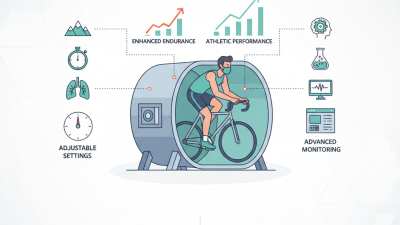
The use of an Altitude Chamber offers a range of benefits that attract athletes and wellness enthusiasts alike. These specialized chambers simulate high-altitude conditions, which can enhance physical performance and improve recovery times. By limiting oxygen availability, an Altitude Chamber pushes the body to adapt, leading to increased endurance and strength over time.
Many athletes report significant improvements after using an Altitude Chamber. These benefits include better oxygen efficiency and enhanced red blood cell production. However, this practice requires careful management. Not all users may experience the same positive effects, and overuse can lead to fatigue.
Understanding how to utilize an Altitude Chamber effectively is crucial. It’s not just about the experience; guidelines must be followed for safety. While the potential gains are compelling, users should weigh the risks and benefits carefully. Engaging with professionals can ensure a reliable and beneficial experience.

Understanding Altitude Chambers and Their Functionality
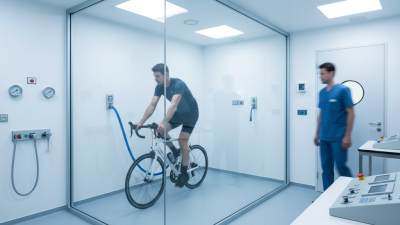
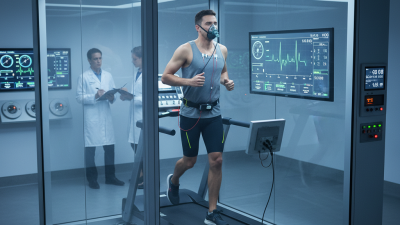
Altitude chambers are designed to simulate high-altitude conditions. They are beneficial for athletes seeking to enhance performance. These chambers replicate environments that can improve oxygen efficiency. The technology is based on scientific principles of hypoxia, where reduced oxygen levels lead to various physical adaptations.
When inside an altitude chamber, your body responds to lower oxygen levels. This stress can boost red blood cell production. Increased red blood cells enhance oxygen transport in the body. Over time, users may experience improved stamina and reduced fatigue during physical activities. The controlled environment also allows for safe and effective training adjustments.
It's crucial to note that experiences can vary. Not everyone may respond positively to altitude training. Some individuals may feel lightheaded or uncomfortable in these chambers. It's essential to listen to your body and consult with professionals before initiating training. Exploring the effects of altitude chambers can be a journey of trial and reflection.
Physical Benefits of Training in an Altitude Chamber
Training in an altitude chamber offers unique physical benefits that can enhance athletic performance. Studies show that training at high altitudes can lead to increased red blood cell production. More red blood cells improve oxygen transport, which is crucial for endurance. A report from the Journal of Applied Physiology indicates a potential increase in VO2 max by up to 3-5% after consistent high-altitude training over several weeks.
Athletes often seek altitude chambers to simulate these effects without traveling to high elevations. Notably, temporary exposure may result in improved recovery times. A study published in the European Journal of Sport Science found that athletes training in altitude conditions experienced less muscle soreness and quicker recuperation rates post-exercise. However, adaptations vary among individuals, with some showing minimal gains.
While the benefits are clear, they require careful management. Overexposure can lead to altitude sickness or decreased performance. A balance is essential. Understanding your body’s response to altitude training is critical. This knowledge can help tailor an effective training program that maximizes benefits while minimizing potential downsides.
Benefits of Using an Altitude Chamber
This chart illustrates the various physical benefits of training in an altitude chamber, highlighting how it can significantly improve endurance, oxygen uptake, recovery, weight loss, and sleep quality for athletes and fitness enthusiasts.
Psychological Advantages of Using Altitude Chambers
Altitude chambers have gained attention for their psychological benefits. These enclosed environments simulate high-altitude conditions, offering more than just physical adaptations. Many users report enhanced mental resilience and improved mood after sessions. The experience can evoke feelings of accomplishment. This boost in morale can lead to improved focus in daily tasks.
During sessions, individuals often face discomfort, similar to challenging life situations. This discomfort can serve as a valuable reminder of the importance of perseverance. Engaging in such an activity can strengthen mental fortitude. Taking time to reflect on personal challenges while in the chamber can further this growth.
Tips for a successful altitude chamber experience: Set clear goals before entering. Whether it’s overcoming a fear or enhancing mental focus, know your purpose. After each session, spend a few moments journaling your feelings. This practice cultivates self-awareness and helps track your progress. Engage in positive self-talk, reinforcing your achievements. Remember, growth often lies outside of comfort zones.
Benefits of Using an Altitude Chamber - Psychological Advantages
| Benefit |
Description |
Research Findings |
| Improved Mental Resilience |
Training in an altitude chamber can enhance psychological endurance and coping strategies. |
Studies show athletes report higher resilience after altitude training. |
| Reduced Anxiety |
Exposure to altitude may help in managing anxiety levels due to the physiological adaptations it prompts. |
Research indicates a correlation between altitude training and lower anxiety scores. |
| Enhanced Focus and Mental Clarity |
The body’s response to lower oxygen levels can lead to improved focus during cognitive tasks. |
Findings suggest athletes demonstrate improved concentration post altitude exposure. |
| Boosted Confidence |
Successfully completing altitude training can lead to increased self-esteem and confidence in abilities. |
Surveys reveal athletes feel more confident in their abilities after altitude chamber sessions. |
| Stress Relief |
The experience of altitude training can serve as a form of stress relief and mental recovery. |
Participants report lower stress levels following altitude exposure therapy. |
Applications of Altitude Chambers in Sports and Fitness
Altitude chambers have become increasingly popular in sports and fitness. They simulate high altitude conditions, allowing athletes to train their bodies in unique ways. By exposing the body to lower oxygen levels, these chambers encourage physiological adaptations. For instance, athletes may experience increased red blood cell production, leading to improved endurance.
Many elite athletes utilize altitude training to enhance performance. Runners, cyclists, and other endurance sports participants benefit greatly. They often report noticeable improvements in stamina after sessions in these chambers. However, the experience can be challenging. Some athletes may struggle with headaches or fatigue during training. These side effects mean athletes must adjust their training regimens carefully.
Career longevity is another important factor. Athletes are always seeking an edge, but altitude training is not a one-size-fits-all solution. It's essential for users to listen to their bodies and reflect on their progress. The balance between challenge and recovery is crucial. A thoughtful approach helps maximize the benefits while avoiding potential pitfalls.
Safety Considerations When Using Altitude Chambers
Altitude chambers can be beneficial for training and recovery. However, safety must come first. Users should approach altitude training with caution. Understanding the risks is crucial.
Entering an altitude chamber simulates high-altitude conditions. This can lead to reduced oxygen levels. Some individuals might experience symptoms like headaches or nausea. It’s vital to monitor your body’s reactions. Not everyone reacts the same way to reduced oxygen.
Regular check-ins with a professional are essential. They can guide you on the duration and intensity of your sessions. Ensuring proper hydration is also important. Dehydration can worsen altitude-related symptoms. Start gradual exposure to avoid shock to your system. This careful approach ensures a safer experience while maximizing benefits.