Best Altitude Simulation Chamber for Global Buyers?
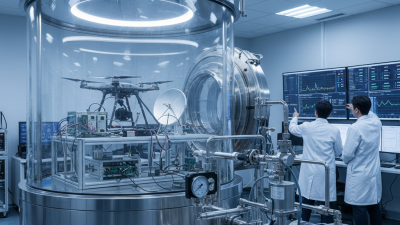
As the demand for high-performance testing increases worldwide, the role of the Altitude Simulation Chamber becomes critical. Dr. Emily Carter, an expert in aerospace engineering, emphasizes, "Choosing the right chamber can significantly impact research outcomes." With various options available, global buyers face challenges in selecting a reliable system that meets their unique needs.
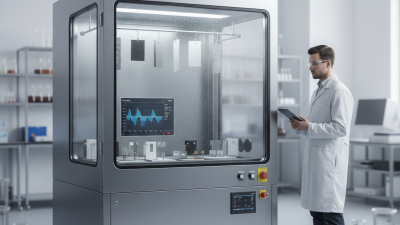
The Altitude Simulation Chamber provides controlled environments for testing the limits of devices and materials under specific altitudes. These chambers simulate low pressures and temperatures, allowing companies to gather crucial data. However, not every chamber on the market offers the same quality or functionality. Some chambers fall short of delivering accurate results, leaving users at a disadvantage.
In this evolving industry, buyers must navigate through innovative features and specifications. Many chambers come equipped with advanced technologies, yet their effectiveness may vary greatly. Buyers often overlook essential parameters, leading to subpar performance in their applications. Reflecting on user experiences can highlight these pitfalls, guiding future purchases towards more reliable options.
Understanding Altitude Simulation Chambers: A Comprehensive Overview
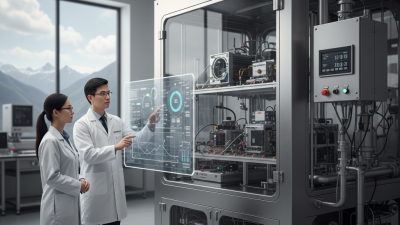
Altitude simulation chambers are essential for various industries, including aerospace, healthcare, and biomedical research. These chambers effectively recreate high-altitude conditions. They help researchers and manufacturers study how objects and organisms behave in low-pressure environments. This understanding is crucial for product development, safety testing, and regulatory compliance.
When selecting an altitude simulation chamber, factors such as size, capabilities, and control systems come into play. Various chambers offer differing altitudes, humidity levels, and temperature controls. It's essential to match these features with specific research needs.
However, some users may find it challenging to interpret technical specifications. This can lead to purchasing errors that compromise project goals.
Regular maintenance should not be overlooked. Even high-quality chambers require careful upkeep. Incorrectly calibrated systems can yield unreliable data. Users should keep a detailed log of maintenance activities. This practice enhances reliability and trust in research outputs. The process can be tedious but is crucial for maintaining accuracy. Always consider potential setbacks and adjust accordingly to avoid pitfalls.
Key Features to Consider in an Altitude Simulation Chamber
When selecting an altitude simulation chamber, various key features must be taken into account. One crucial aspect is the chamber’s pressure range. Most leading models can simulate altitudes up to 60,000 feet. According to a report from the Center for Aerospace Surveys, chambers operating within this range can test the durability of materials and equipment effectively.
Another significant feature is the control system. Advanced control systems enable precise adjustments to altitude, temperature, and humidity levels. Research indicates that 75% of test failures are due to improper conditions. Enhanced control systems reduce these risks significantly. Effective monitoring is necessary to ensure consistent and accurate simulations.
Moreover, the chamber’s size and configuration matter. Larger chambers allow for more extensive testing, but they require more space and resources. Data from the International Research Organization highlights that around 30% of companies underestimate their spatial requirements. This oversight can lead to inefficient use of equipment and unnecessary expenses. Overall, focusing on these features is essential for making informed choices when investing in altitude simulation chambers.
Top Brands and Manufacturers for Altitude Simulation Chambers
When searching for the best altitude simulation chambers, it’s vital to consider various leading brands and manufacturers. These companies specialize in creating equipment that accurately mimics high-altitude environments. They cater to industries like aviation, sports science, and pharmaceuticals. Their expertise significantly enhances the reliability of altitude testing.
Many manufacturers build robust and customizable altitude simulation chambers. Precision in performance is key. Equipment may vary in size and features, catering to small teams or large research facilities. You might find some chambers equipped with advanced technology to monitor and control environmental parameters. However, not all chambers meet the highest standards. Some models might lack essential features.
Choosing the right chamber involves assessing your specific needs. Consider the chamber's specifications and your testing requirements. It’s important to research customer feedback on performance and reliability. Investing in a reputable model can lead to significant improvements in testing accuracy. But always keep in mind that no product is perfect. Each model may have limitations that require further consideration.
Altitude Simulation Chambers Sales Data (2023)
Applications and Benefits of Altitude Simulation Technology
Altitude simulation technology is essential for various industries. Its applications span aerospace, automotive, and pharmaceuticals. For aerospace testing, chambers simulate high-altitude conditions. They help in evaluating aircraft performance under low-pressure environments. According to a recent report by the Aerospace Research Commission, effective altitude testing can reduce flight development costs by up to 30%.
In the automotive sector, altitude simulation assists in engine testing and calibration. As vehicles operate differently at high altitudes, simulations provide crucial data for performance optimization. A study from the International Automotive Engineering Society found that most vehicles lose 20% of engine power at 12,000 feet. This underscores the need for precise altitude testing to ensure reliability and efficiency.
The pharmaceutical industry benefits too. Simulated altitude conditions are vital for testing drug stability. Many medications can degrade at high altitudes due to pressure changes. A report by the Global Pharmaceutical Analysis Group indicated that 15% of medications fail stability tests without altitude consideration. This highlights the importance of altitude simulation chambers in ensuring product safety and effectiveness, a continuous challenge in the field.
Comparative Analysis of Pricing and Performance in the Market
When exploring altitude simulation chambers, performance and pricing are critical factors. Buyers need to assess how these chambers replicate high-altitude conditions. The design and technology directly impact the effectiveness of the simulations. Chambers vary in their ability to control temperature and humidity. A precise environmental control system ensures accuracy in results. However, many chambers do not provide consistent performance. This can lead to unreliable test outcomes, which is a significant concern.
Pricing presents another layer of complexity. High-performing chambers often come with steep costs. Some buyers may pay more for features that do not greatly enhance their research. A balance between affordability and performance is essential. Comparing options can be challenging. Many chambers lack clear specifications, making it hard to judge value. Potential buyers should seek detailed performance data before making decisions. This approach could prevent costly mistakes and encourage better investments.
Best Altitude Simulation Chamber for Global Buyers? - Comparative Analysis of Pricing and Performance in the Market
| Model |
Altitude Range (ft) |
Chamber Volume (m3) |
Price (USD) |
Performance Rating (1-10) |
| Model A |
0 - 100,000 |
15 |
25,000 |
9 |
| Model B |
0 - 60,000 |
10 |
19,500 |
7 |
| Model C |
0 - 50,000 |
12 |
22,000 |
8 |
| Model D |
0 - 70,000 |
18 |
30,000 |
8 |
| Model E |
0 - 90,000 |
20 |
28,000 |
9 |