Best Climate Chamber Solutions for Global Purchasing Needs?
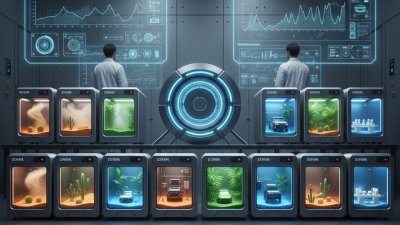
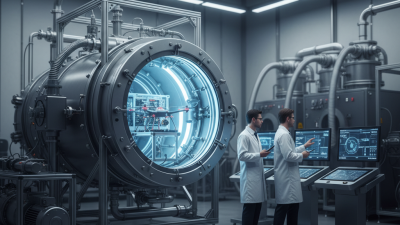
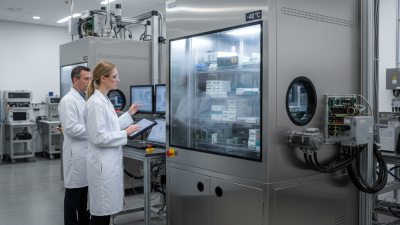
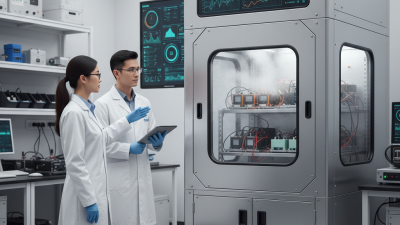
In an ever-evolving market, climate control is crucial for various industries. A reliable Climate Chamber is essential for testing and development. These chambers simulate environmental conditions, allowing businesses to evaluate product performance. Different industries, from pharmaceuticals to electronics, require specific climate solutions to meet their needs.
Selecting the best Climate Chamber can be challenging. Companies must consider factors such as size, temperature range, and humidity control. Many climate chambers on the market excel in these areas, but not all meet the same standards of quality. Reliability and consistency are vital for accurate testing. A poorly constructed chamber can skew results, leading to costly errors.
Additionally, businesses should reflect on their unique requirements. Understanding the specific environment needed for testing can help narrow down options. Investing in a high-quality Climate Chamber not only saves time but also enhances product integrity. Brands must ensure they are sourcing the right solutions to remain competitive in a global marketplace.
Overview of Climate Chamber Solutions
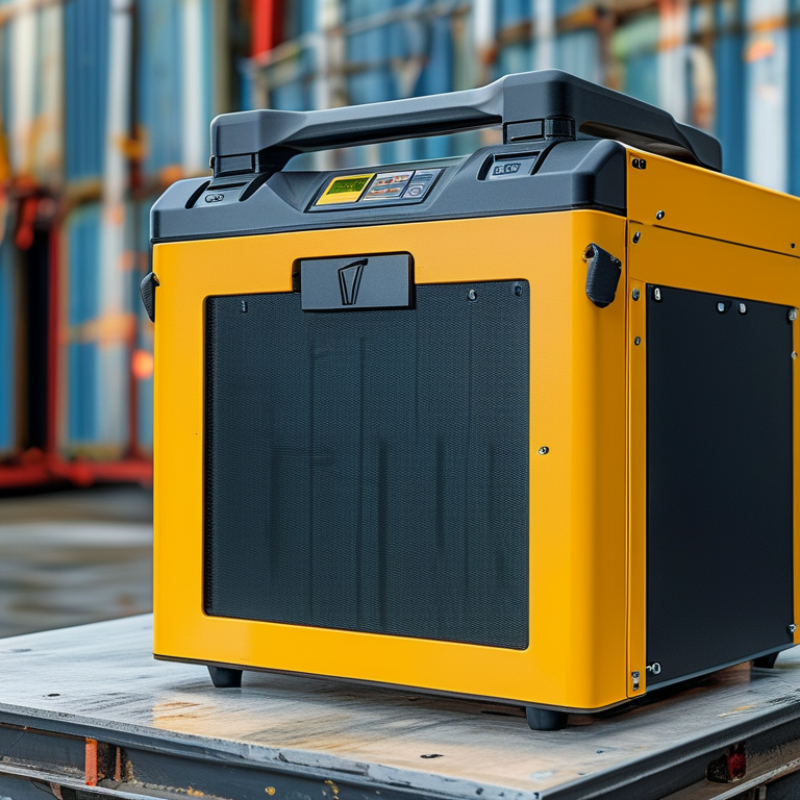
Climate chambers play a vital role in testing and ensuring product quality across various industries. These controlled environments simulate extreme conditions such as temperature fluctuations and humidity levels. According to a recent industry report, approximately 65% of manufacturers rely on climate chambers to validate their products' performance in real-world scenarios. This reliance highlights their importance in fields like electronics, pharmaceuticals, and material sciences.
The design of climate chambers has evolved significantly. Modern solutions incorporate advanced technologies that allow for precise control and monitoring. For instance, chambers can now simulate temperatures ranging from -40°C to 100°C, accommodating diverse testing needs. Additionally, the integration of IoT capabilities enhances data collection and analysis, providing valuable insights. However, despite the advancements, some chambers still struggle with uniformity in environmental conditions, leading to inconsistencies in test results.
Reliability in climate chamber performance is vital. A study revealed that nearly 25% of testing discrepancies stem from environmental control issues. Therefore, selecting the right chamber involves considering specific testing requirements, including size, temperature range, and humidity capabilities. While manufacturers continue to innovate, the quest for perfect consistency remains an ongoing challenge in ensuring product integrity.
Key Features to Consider in Climate Chambers
When considering climate chambers, several key features are essential to ensure they meet global purchasing needs.
Temperature control is one of the most crucial aspects. A reliable climate chamber must maintain consistent temperatures across different settings. Variability can lead to inaccurate results in experiments or quality tests.
Additionally, precise humidity control is vital. Fluctuating humidity levels can adversely affect sensitive materials or products.
Another important feature is the chamber's size and configuration. Organizations may require different chamber sizes based on their specific applications. Adjustable shelving can provide flexibility for various experiments.
Furthermore, accessibility is often overlooked. User-friendly interfaces and easy access points for maintenance can enhance the overall user experience.
Finally, energy efficiency is becoming increasingly important in climate chamber design. Chambers that consume less power can significantly reduce operational costs. However, balancing performance with sustainability can be challenging.
Companies often struggle to find high-performing chambers that are also energy-efficient. It’s essential to evaluate the long-term benefits versus the initial investment. This consideration reflects the growing demand for responsible research and development practices in the climate sector.
Comparative Analysis of Global Suppliers
Evaluating climate chamber solutions is essential for businesses across industries. Various suppliers offer distinct advantages and drawbacks. Some excel in innovation, while others prioritize affordability or reliability. This diversity can make decision-making challenging for global purchasers.
A key factor in supplier comparison is the range of climate chamber features. Look for options that allow for precise temperature and humidity control. This capability ensures your tests are reliable and consistent. Many suppliers may claim to provide such features, but not all deliver. User reviews and expert opinions can reveal discrepancies between claims and real-world performance.
Service and support are also critical. Some suppliers offer comprehensive training programs and after-sales support. This can significantly impact the functionality of the equipment. Without sufficient technical assistance, even the best chambers can underperform. Prioritizing suppliers who provide robust customer support can save time and frustration in the long run. Engaging deeply with potential suppliers can expose gaps in their offerings. Make informed decisions based on a thorough analysis of supplier performance relative to your specific needs.
Best Climate Chamber Solutions for Global Purchasing Needs
Best Practices for Selecting Climate Chamber Providers
When selecting climate chamber providers, several factors play a critical role. Look for suppliers who demonstrate a deep understanding of your unique requirements. They should have years of experience in the industry. Check their past projects and client reviews. This insight offers a glimpse into their reliability. Each project may showcase their flexibility in addressing different climate conditions.
Equally important is the provider's commitment to innovation. A good company invests in the latest technology. This ensures accurate simulations and reliable testing results. Look for features like precise temperature control and humidity management. Ask about their maintenance services too. Regular upkeep is essential for optimal performance and longevity.
Don’t overlook customer support. Reliable providers offer robust after-sales service. Having access to technical support can save time and resources in critical situations. Evaluate their response times during initial inquiries. Slow replies may indicate potential future delays. Reflect on what is genuinely vital for your projects. Sometimes, the cheapest option may not meet your expectations in quality and service. Balancing cost and functionality is key to a wise decision.
Future Trends in Climate Chamber Technology
As climate chamber technology evolves, adaptation to global purchasing needs becomes critical. Current trends indicate a significant shift towards energy efficiency and sustainability. Reports highlight that over 70% of manufacturers prioritize energy-saving features in their climate control systems. This trend not only reduces operational costs but also aligns with global sustainability goals.
Temperature and humidity controls are becoming more precise. New technologies allow chambers to simulate diverse environmental conditions with high accuracy. For instance, advancements in digital sensors can now measure temperature fluctuations within 0.1°C. Such precision is crucial for industries like pharmaceuticals and electronics, where product integrity is vital.
Tip: Regular calibration of your climate chambers is essential to ensure accurate readings. Inaccurate data can lead to flawed experiments or product failures.
Companies also explore automation. Integrating IoT devices facilitates real-time monitoring and data collection. This connectivity allows for quicker adjustments and better resource management. Recent data shows that companies utilizing IoT solutions see a 30% improvement in operational efficiency.
Tip: Consider investing in training staff on new technologies. It’s essential for maximizing the benefits of advanced climate chambers.
While these advancements promise numerous benefits, challenges remain. Not every company can keep up with rapid technological changes. Adapting to evolving standards and customer demands requires ongoing investment and strategy revision.