Leave Your Message

2026 Best Corrosion Testing Chamber for Global Buyers?

Corrosion testing has become crucial for industries concerned with material durability. The demand for high-quality Corrosion Testing Chambers is rising globally. According to a recent report by the Materials Reliability Institute, the corrosion testing market is projected to grow by 8% annually. This growth reflects the industry's recognition of the importance of testing methods that simulate real-world environments.

Dr. Emily Zhang, a leading expert in corrosion science, emphasizes, "Investing in advanced Corrosion Testing Chambers ensures long-lasting product performance." Her insights underline the need for rigorous testing protocols across various sectors. Industries ranging from automotive to aerospace rely on these chambers to evaluate the longevity and durability of materials.

Yet, many businesses still overlook the value of investing in these technologies. There is skepticism about costs versus benefits. This can lead to unexpected failures and higher maintenance costs. As industries evolve, embracing advanced testing methods is not just an option; it is a necessity. Understanding the best choices in Corrosion Testing Chambers is vital for maintaining competitive advantage and ensuring product reliability.

2026 Best Corrosion Testing Chamber for Global Buyers?

Understanding Corrosion Testing Chambers and Their Importance

Corrosion testing chambers play a vital role in assessing material durability. These chambers simulate environmental conditions that can lead to corrosion. Understanding their function is crucial for industries reliant on metal and alloy materials. Companies often underestimate the significance of such chambers. This can lead to unexpected failures and costly repairs.

The design of a corrosion testing chamber typically includes controlled humidity, temperature, and exposure to corrosive agents. Regular testing helps identify weaknesses in materials. It can also ensure compliance with industry standards. However, not all chambers provide the same level of precision. Buyers must evaluate performance metrics carefully, considering factors like reliability and ease of use.

While corrosion testing appears straightforward, it demands a deeper understanding of material science. Industry professionals should constantly seek improvement in testing methods. They should remain aware of technological advancements and evolving standards. A critical approach to testing can lead to better outcomes and longer-lasting materials. Engaging with experts in the field can enhance knowledge and skills, benefiting the entire production process.
Key Features to Look for in a Corrosion Testing Chamber

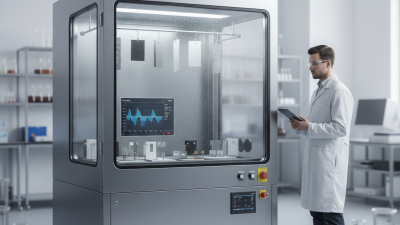
When selecting a corrosion testing chamber, key features play a critical role. The chamber should provide consistent environmental conditions to simulate real-world exposure. Look for accurate temperature and humidity controls. Regular fluctuations can lead to unreliable results, hindering the test's credibility. Consider the chamber’s construction materials, as these impact its longevity and effectiveness.

Another feature to evaluate is the chamber's size. A space-efficient design accommodates a variety of sample sizes. This flexibility is crucial for comprehensive testing. Additionally, ensure that the chamber has user-friendly interfaces. Complex controls can cause errors, leading to questionable data. It’s essential to have easily accessible features for maintenance and operation.

Data management options are also significant. Modern chambers should integrate seamlessly with software systems. This ensures reliable data collection and analysis. However, not all users are familiar with advanced technology, which can create challenges. Real-time monitoring capabilities can enhance transparency, yet they require user training. Balancing complexity with usability is essential for effective testing.

Top Brands and Models of Corrosion Testing Chambers in 2026

In 2026, corrosion testing chambers are crucial for various industries, from automotive to aerospace. These chambers simulate environmental conditions to assess material durability. It’s essential to choose the right model, as each one offers unique features.

Some emerging brands focus on user-friendly interfaces and automated settings. This makes testing less labor-intensive. Even so, the available options can be overwhelming. A detailed understanding of testing specifications is necessary. Consider factors like chamber size, temperature ranges, and humidity levels. Choosing a chamber that aligns with specific testing needs is vital for accurate results.

Despite advancements, challenges remain. Not all chambers consistently deliver precise readings. Users often report variability in results. Regular calibration and maintenance are essential. It's important to question whether the chosen testing method is really the best. Continuous learning and adaptation are necessary in this ever-evolving field.

Comparative Analysis of Testing Standards for Corrosion Chambers

Understanding the various testing standards for corrosion chambers is crucial for global buyers. Different industries have unique needs. Therefore, the choice of a corrosion testing chamber may vary significantly based on the corresponding standards. For example, ASTM and ISO guidelines offer comprehensive frameworks. However, manufacturers may interpret these standards differently. This can lead to inconsistencies in testing results.

Buyers should carefully evaluate the specifications of each chamber. Parameters such as temperature range, humidity control, and exposure time play significant roles. Sometimes, a lower-priced chamber lacks critical features. It’s essential to align the chosen chamber with specific testing protocols. This helps ensure reliable outcomes, especially in industries like aerospace or automotive.

Tips: Always request detailed test reports before making a decision. Assessing these can reveal if a chamber meets your needs. Furthermore, consider the long-term operational costs. A chamber that appears economical may have expensive maintenance requirements down the road. Pay attention to customer reviews, as they can provide valuable insights into real-world performance.

2026 Corrosion Testing Chamber Comparative Analysis

Future Trends and Innovations in Corrosion Testing Technology

Corrosion testing technology is evolving rapidly. In the coming years, advancements will focus on precision and efficiency. New materials are being developed to enhance durability. These materials will lead to more reliable testing results, ensuring products withstand environmental challenges. Innovations in sensor technology are also critical. These sensors can provide real-time data during testing, increasing accuracy.

Additionally, automation will play a key role in future corrosion testing chambers. Automated systems reduce human error and streamline processes. This allows for more consistent and reproducible results. However, fostering innovation requires addressing potential challenges. Companies must invest in training and adapting their workforce to new technologies. This shift can create a gap in knowledge and expertise that needs attention.

Sustainability is another important trend. Environmental concerns are prompting manufacturers to seek greener testing methods. The industry must focus on reducing waste and energy consumption. Developing biodegradable testing materials can significantly lessen the ecological footprint. Balancing innovation with sustainability is complex, yet necessary for future growth. Each step forward demands reflection and a commitment to continuous improvement.