Best Drop Test Equipment for Accurate Testing Solutions?
In today's fast-paced world, ensuring product durability is crucial. One of the key methods to assess this is through the use of drop test equipment. This specialized equipment simulates real-world impacts, providing invaluable data on how products will withstand falls and drops in everyday use. According to Dr. Emily Carter, a seasoned expert in materials testing, “Effective drop testing is essential for identifying potential vulnerabilities in products.”
Quality drop test equipment is not just about the machine itself. It's about understanding the physics behind the drop, the material properties, and the conditions of the test. With the right tools, engineers can uncover weaknesses that could lead to failure. Yet, even the most advanced drop test systems have limitations. They may not always replicate every possible real-world scenario, which can lead to oversights.
The importance of selecting the right drop test equipment cannot be overstated. Equipment must match specific testing standards and needs. Relying on inaccurate data may lead to costly mistakes or product recalls. As the industry evolves, the quest for more accurate testing solutions becomes even more vital. Continually refining drop test methodologies will help build trust in product reliability.

Understanding Drop Test Equipment and Its Importance
Drop test equipment plays a vital role in ensuring the safety and reliability of products. These tests simulate real-world impacts, providing data on how well items withstand drops. A recent study indicates that products endure an average of 10 drops during their lifecycle, making this type of testing essential for quality assurance. With the increasing number of product recalls, using accurate drop test equipment can significantly reduce risk.
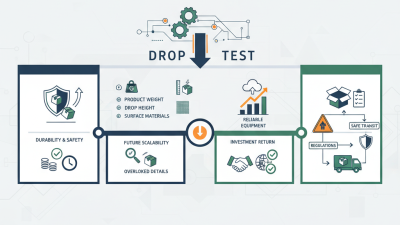
When selecting drop test equipment, consider factors like drop height and weight capacity. Ensure the equipment meets industry standards and can replicate the conditions your products will face. In a recent report by an industry analytics firm, 70% of manufacturers observed a decrease in damage costs after implementing comprehensive drop testing solutions.
Tip: Regularly calibrate your drop test machines. This can help maintain accuracy and consistency over time.
Understanding the importance of drop tests extends beyond individual products. It shapes how consumers perceive quality and safety. Research shows that 65% of consumers prioritize product durability. Manufacturers must not overlook this when developing their testing protocols.
Tip: Involve your design team when interpreting drop test results. Their insights can lead to improved product designs that better withstand impacts.
Key Features to Look for in Drop Test Equipment
When selecting drop test equipment, it’s crucial to pay attention to key features that enhance accuracy and reliability. One of the primary aspects is the equipment's drop height capability. According to industry reports, drop tests are most effective when they simulate real-world conditions. This means the equipment should accommodate a range of heights. Devices that can reach a minimum of 1.5 meters often provide comprehensive insights into how products will behave during impact.
Another important feature is the built-in data logging system. Reliable data collection can elevate testing quality. Equipment with advanced logging capabilities allows for precise tracking of impact force and angles. This is essential for analyzing performance. Research indicates that around 70%-80% of companies find detailed reporting invaluable for optimizing product designs. It helps in identifying weak points in a product's structure.
Additionally, consider the material quality of the equipment. Using durable materials enhances longevity and ensures that the equipment can withstand multiple tests. Some users overlook this aspect. Maintaining equipment requires regular checks on its condition. Proper maintenance can significantly affect testing outcomes. Calibration should also be a routine procedure to ensure persistent accuracy in results.
Best Drop Test Equipment for Accurate Testing Solutions
| Equipment Type |
Weight Capacity |
Drop Height Range |
Data Logging |
Test Method |
| Basic Drop Tester |
Up to 50 kg |
1 - 3 m |
No |
Free Fall |
| Electronic Drop Tester |
Up to 100 kg |
0.5 - 6 m |
Yes |
Controlled Drop |
| Advanced Drop Tester |
Up to 200 kg |
1 - 10 m |
Yes |
Programmable Drop |
| Standard Impact Tester |
Up to 150 kg |
0.5 - 8 m |
Yes |
Cyclic Drop |
Types of Drop Test Equipment Available on the Market
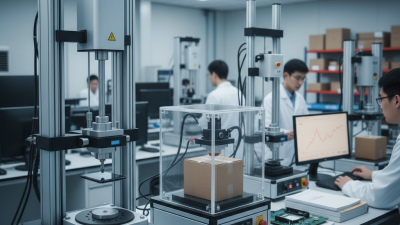
When exploring drop test equipment, it's essential to understand the various types available. Each type serves distinct needs in quality assurance across industries. Common drop test devices include free-fall testers, inclined impact testers, and drop towers. Free-fall testers drop objects from a predetermined height, measuring the impact and resulting damage. Inclined impact testers simulate sloped surfaces, providing insights into how products behave in real-world conditions. Drop towers offer controlled environments for testing various materials under impact.
Tips: Ensure your test environment replicates actual shipping conditions. This will give you more accurate results. Regularly calibrate your equipment for consistency. Even minor discrepancies can lead to significant differences in outcomes.
When selecting drop test equipment, consider the materials and products you will test. Each material may react differently. Some equipment might not capture the nuances of certain products. This lack of precision can misrepresent performance. It’s crucial to critically evaluate any chosen testing methods. Regularly reassess your testing protocols to ensure they remain relevant to your needs and standards. Your testing process should evolve as new materials and technologies emerge.
Best Drop Test Equipment Types Available on the Market
Top Brands for Reliable Drop Test Solutions
Selecting the right drop test equipment is crucial. Various brands offer reliable solutions tailored for different needs. Understanding the features of these brands ensures informed choices. Look for equipment that delivers precision in testing methods and consistent results.
Tips: Always check user reviews. Feedback highlights real-world performance, helping you gauge reliability. Additionally, consider the warranty and customer service. Good support can make a difference when issues arise.
Accuracy in drop testing relies on using quality equipment. Some brands prioritize innovative technology, enhancing the testing process. However, not all equipment will meet your specific requirements. Reflect on your testing environment and objectives. This evaluation can prevent costly misinvestments and ensure you choose wisely.
Tips for Selecting the Best Drop Test Equipment for Your Needs
Choosing the right drop test equipment can be challenging. Understanding your testing needs is the first step. Consider factors like the size and weight of the objects you will test. A reliable report from the ASTM outlines that items over 30 pounds often require specialized setups. This can influence your decisions significantly.
Another crucial aspect is the drop height. The precision of testing is essential. According to a recent industry survey, about 58% of failed products experienced issues at heights over four feet. This means you might need programmable drop height options. It's not always easy to balance cost with features. Equipment that offers more doesn't always guarantee better outcomes.
Lastly, look for user feedback and expert recommendations. Past users can provide insights that technical specifications may not reveal. Many products have similar features on paper, yet their real-world performance can differ greatly. Trusting user experiences can guide you toward effective solutions while reminding you to remain critical. Testing equipment can only yield reliable results when it meets specific needs. Don't overlook potential imperfections; they can lead to improvements.