Leave Your Message

Top Drop Test Equipment for Global Buyers

Choosing reliable Drop Test Equipment requires more than comparing prices and advertised specifications. A machine may promise accurate results, yet daily performance depends on construction, calibration, and operator control. In packaging laboratories and manufacturing plants, technicians inspect frame rigidity, drop-height accuracy, release mechanisms, and safety interlocks before testing. A carton falling from 600 millimeters can expose weak seals, damaged corners, or poor internal cushioning. Small errors matter.

Global buyers also need equipment that matches local working conditions and testing objectives. Clear manuals, calibration records, spare parts, and responsive technical support reveal supplier competence. These details build trust. This guide examines top equipment categories, including pneumatic and motorized systems, single-wing and double-wing designs, and controlled impact platforms. Performance data should include repeatability, energy use, maximum load, and test-area dimensions. Independent verification strengthens supplier claims, although published specifications never tell the whole story.

Practical experience shows that efficient equipment can become frustrating when software menus confuse operators or replacement sensors arrive late. That weakness deserves attention. A useful evaluation connects laboratory results with shipping realities, including uneven floors, humid storage rooms, and mixed carton sizes. No shortlist is perfect. Even experienced teams may overlook maintenance access, noise levels, or operator training. The following sections help buyers compare products carefully, ask sharper questions, and select equipment that produces dependable evidence without overstating certainty. Reliable testing is not only about impact height. It is about repeatable decisions, traceable records, and safer packaging improvements.
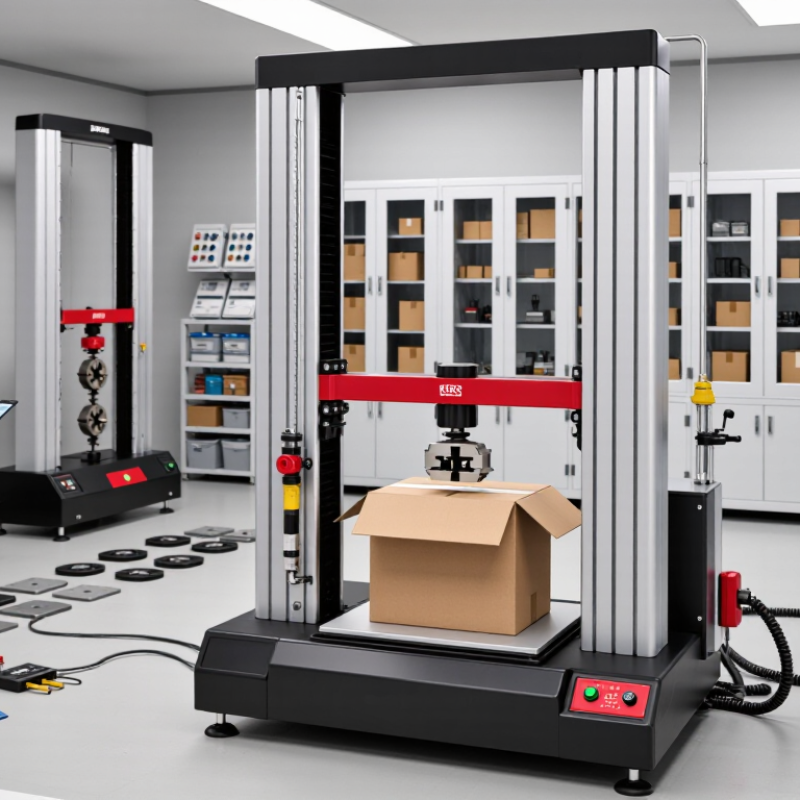
Top Drop Test Equipment for Global Buyers

What Drop Test Equipment Measures and Why It Matters

Top Drop Test Equipment for Global Buyers

What Drop Test Equipment Measures and Why It Matters

Drop test equipment does more than release a package from a fixed height. It measures how products and protective materials respond to sudden impact. A calibrated system records drop height, impact velocity, orientation, and contact timing. Not just height. These values show whether shipping damage comes from weak packaging, poor cushioning, or vulnerable product design. The visible dent matters, but hidden evidence matters more.

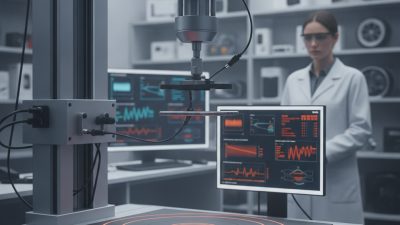
Load cells and accelerometers measure impact force, shock pulses, and energy transfer. High-speed sensors can reveal a brief force spike that ordinary inspection misses. After each drop, technicians inspect cracks, loose parts, seal failure, and changes in function. They compare results across corners, edges, and flat faces. This supports repeatable decisions instead of relying on one dramatic failure. Fixture alignment and sensor calibration also require constant attention. Small setup errors can change the result.

Equipment matters because test data connects handling conditions with real product risk. A controlled sequence can guide cushioning thickness, carton strength, and internal clearance. It can also expose overdesigned packaging that adds cost without improving protection. No test is perfect. It cannot reproduce every warehouse floor, vehicle movement, or human mistake. Test teams sometimes trust clean numbers too quickly. Repeating doubtful trials is wiser than defending a convenient result. Reliable reports record the method, environment, sample history, and every unexpected observation.
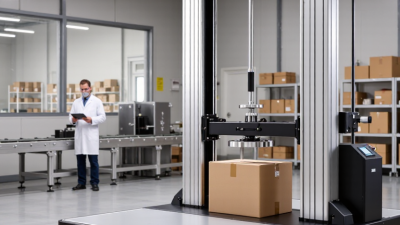
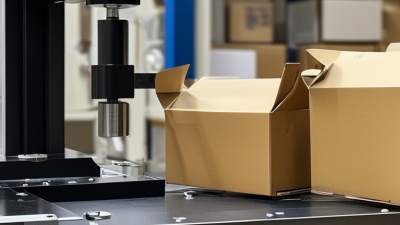
Key Types of Drop Test Machines and Their Testing Methods

With global parcel volumes reaching 161.8 billion in 2022, according to the Pitney Bowes Parcel Shipping Index 2023, drop testing is no longer optional for many shippers. Different machines reproduce different handling risks. A vertical free-fall tester releases a packed product from a controlled height. It checks face, edge, and corner impacts. A guided drop tester reduces rotation during release. It improves repeatability for fragile assemblies. An inclined impact tester simulates sliding parcels striking a barrier or conveyor stop. Rotational edge-drop equipment is useful when package geometry affects failure points.

Testing methods must match the shipment profile. ASTM D5276 focuses on free-fall drops for filled containers. ISO 2248 also evaluates package resistance during vertical impact. ISTA 3A adds conditioning, vibration, and repeated drop sequences for parcel delivery simulations.

Test height, package mass, orientation, and drop count should be recorded precisely. A 10-centimeter error can change the result. Small details matter.

Reports from Smithers describe continuing growth in e-commerce packaging demand, increasing pressure for lighter and stronger designs. However, a pass does not always prove field reliability. Real parcels may land on uneven floors, wet surfaces, or damaged corners.

Our first fixture choice is not always right. Engineers should inspect crushed flutes, seal separation, product movement, and hidden internal cracks after every sequence. A camera, calibrated accelerometer, and clear failure log make results easier to defend.

Costs remain important, but repeatable evidence is more valuable than a dramatic single drop.

Essential Specifications for Comparing Drop Test Equipment

Top Drop Test Equipment for Global Buyers

Essential Specifications for Comparing Drop Test Equipment

A reliable drop tester starts with the correct drop height range. Common packaging tests may require heights from 300 to 1,500 millimeters. Check whether the machine supports your actual product weight, not only its maximum load. A large platform is useful for cartons, trays, and irregular packages. However, excessive capacity can increase cost without improving your test results.

Release accuracy deserves close attention. Pneumatic or electromagnetic release systems should prevent unwanted rotation before impact. Ask for stated height accuracy, repeatability, and calibration records. The impact surface should be rigid, level, and replaceable. Some equipment includes a data system for impact velocity, acceleration, and test cycles. These measurements help connect visible damage with handling conditions. Standards such as ASTM and ISO can guide your comparison, but their requirements should match your testing purpose.

Safety features are practical specifications, not decorative extras. Look for guarded moving parts, emergency stops, door interlocks, and clear operating controls. A compact frame may suit a small laboratory, while a reinforced structure may better support frequent industrial testing. In real evaluations, maximum height often receives too much attention. Operators sometimes overlook alignment and maintenance access. That is a mistake. Even a precise tester can produce weak evidence when the sample is positioned inconsistently. Review service documentation, calibration intervals, spare-part access, and operator training before choosing equipment. Small details matter.

Top Drop Test Equipment for Global Buyers - Essential Specifications for Comparing Drop Test Equipment

Equipment Configuration Primary Test Application Typical Drop Height Typical Payload Capacity Test Specimen Size Drop Orientation Height Measurement / Control Suitable Standards Recommended Buyer Profile
Pneumatic Vertical Drop Tester Repeated free-fall drops of packaged products and shipping containers 300–1,500 mm; some configurations reach 2,000 mm Up to 100 kg, depending on platform and actuator size Typically up to 800 × 800 × 1,000 mm Flat, edge, or corner drops using manual specimen positioning Graduated scale with adjustable release carriage; electronic height readout may be available ASTM D5276, ISO 2248, ISTA test procedures Packaging laboratories and quality-control departments requiring routine testing
Motorized Guided Drop Tester Controlled drop testing where repeatability and operator safety are priorities 300–1,500 mm, with programmable height settings on selected systems Typically 60–200 kg Approximately 600 × 600 × 800 mm to 1,000 × 1,000 × 1,200 mm Flat, edge, and corner drops; interchangeable fixtures may be used Motor-driven carriage with digital height setting and repeatable release ASTM D5276, ISO 2248, ISTA 3A and related package-test methods High-volume laboratories, logistics companies, and manufacturers with traceability requirements
Free-Fall Carton Drop Tester Basic transport simulation for corrugated cartons and retail packages 300–1,200 mm Usually 60–100 kg Commonly up to 800 × 800 × 800 mm Flat drops; edge and corner drops may require a positioning fixture Manual or semi-automatic release with calibrated height scale ASTM D5276, ISO 2248, selected ISTA procedures Small and medium-sized packaging operations seeking a practical entry-level system
Heavy-Duty Package Drop Tester Testing large, dense, or industrial packages with higher mass and impact energy 300–1,500 mm; custom systems may provide greater heights 100–300 kg or more, subject to frame and lifting-system design Approximately 1,000 × 1,000 × 1,500 mm or larger Flat, edge, and corner drops using reinforced fixtures Powered lifting platform, mechanical safety lock, and digital or graduated height control ASTM D5276, ISO 2248, applicable freight-packaging procedures Industrial packaging, machinery, appliance, and export-shipping test facilities
Rotational Edge-and-Corner Drop System Targeted evaluation of package edges, corners, closures, and internal cushioning Typically 300–1,200 mm Usually 30–100 kg Commonly up to 600 × 600 × 800 mm Dedicated edge and corner release; flat-drop capability depends on the fixture Adjustable angle fixture with mechanical or pneumatic release mechanism ASTM D5276, ISO 2248, and procedure-specific packaging protocols Product-development teams investigating localized package damage
Multi-Height Precision Drop Tester Research, validation, and comparative testing requiring accurately repeatable impact conditions 100–2,000 mm, depending on configuration Typically 10–100 kg Approximately 500 × 500 × 700 mm to 800 × 800 × 1,000 mm Flat, edge, and corner drops with indexed or programmable positioning Digital height control, automatic carriage positioning, and stored test settings ASTM D5276, ISO 2248, ISTA procedures where the selected height and sequence are applicable R&D centers and laboratories comparing materials, cushioning designs, or package revisions
Specification note: The values shown are typical market ranges for comparison. Final selection should be based on the required test method, package mass and dimensions, drop sequence, laboratory safety requirements, and local electrical specifications.

How to Select Equipment for Different Product Categories

Top Drop Test Equipment for Global Buyers

Selecting drop-test equipment starts with the product category, not the machine’s advertised height. For glass, ceramics, and small precision parts, choose a programmable free-fall tester with controlled corner, edge, and face impacts. A soft catch surface can prevent misleading secondary damage. Electronics need repeatable orientations, accurate release control, and optional acceleration measurement. IEC 60068-2-31 provides useful guidance for component drop testing. It also reminds engineers that product mass and shape change impact behavior.

IEC 60068-2-31 provides useful guidance for component drop testing.

For retail cartons and e-commerce parcels, select equipment aligned with ISTA 3A or ASTM D5276 procedures. These packages often need multiple drops, plus compression and vibration testing. A 10-kilogram carton should not use the same fixture as a 500-gram device. That sounds obvious. It is often ignored. Large appliances and palletized goods require a guided drop system, stronger platforms, and enough clearance for uneven load centers. ISO 2248 can help define vertical impact methods.

2.01
billion tonnes of municipal solid waste were generated in 2016

The World Bank’s What a Waste 2.0 report estimates 2.01 billion tonnes of municipal solid waste were generated in 2016, with volumes potentially reaching 3.40 billion tonnes by 2050. Better drop testing can reduce avoidable packaging waste and returns. Yet laboratory drops are cleaner than courier handling. Real parcels twist, slide, and strike corners unpredictably. Equipment selection should therefore include adjustable release angles, realistic packaging materials, and documented calibration. A perfect test does not exist. The useful test is repeatable, traceable, and honest about its limits.

Global Buying Factors: Standards, Safety, Service, and Logistics

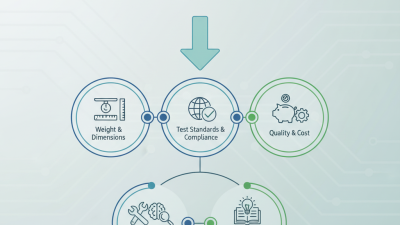
Global buyers should evaluate drop test equipment through standards, safety, service, and logistics. A reliable specification should state drop height, product mass, impact orientation, surface type, and cycle frequency. It should also identify the measurement method and calibration interval. Standards can differ by product category and destination market. A familiar certificate is not always enough. Confirm the latest applicable requirements with qualified testing personnel.

Safety details deserve equal attention. Look for guarded impact zones, interlocked doors, emergency stops, and controlled release mechanisms. Remote operation can reduce exposure during repeated tests. Operators still need clear training and practical procedures. A polished machine may hide small risks. Ask how the system behaves after a power failure or an unexpected jam.

Service affects the equipment’s useful life. Request calibration records, replacement-part availability, software support, and realistic response times. Remote diagnostics may solve simple faults, but difficult repairs can require local technicians. Logistics also needs early planning. Check crate dimensions, total weight, lifting points, voltage, humidity protection, and installation space. Import documents and delivery terms should match the buyer’s responsibilities. I would not choose the lowest quotation without comparing these details. A cheaper unit can become expensive when calibration, training, or delayed parts are overlooked.