China Best Drop Test Equipment for Reliable Product Quality Assurance?
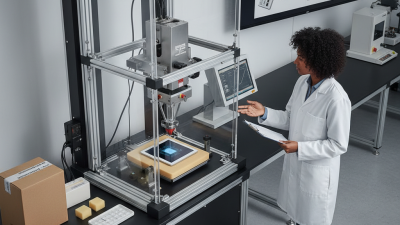
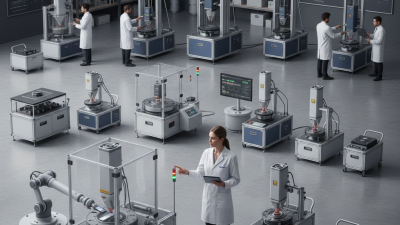
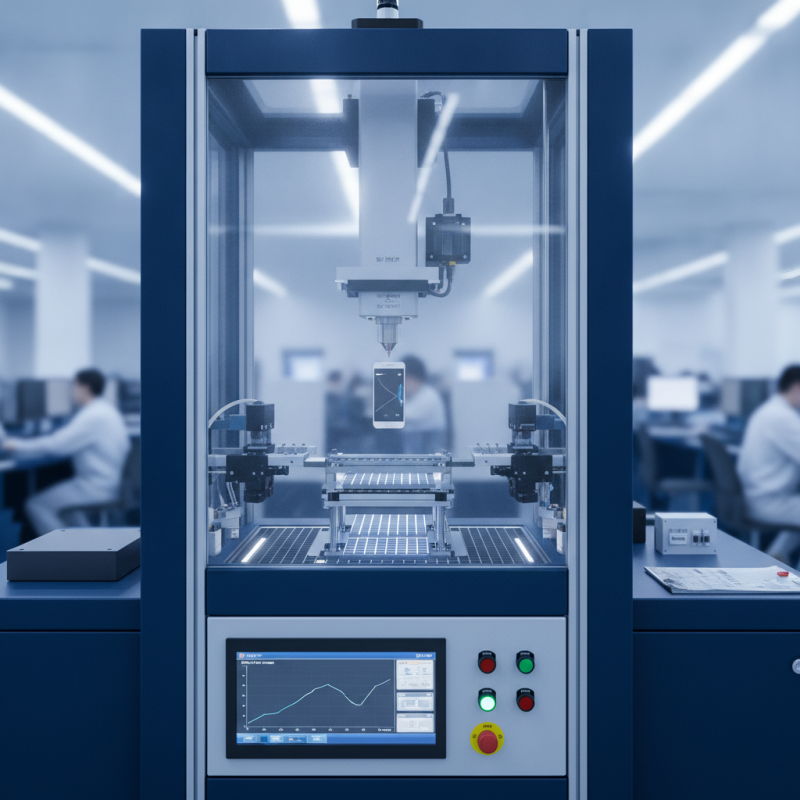
When it comes to ensuring product quality, Drop Test Equipment plays a vital role. Reliable testing methods are crucial for manufacturers who want to deliver durable products. In China, various companies specialize in providing state-of-the-art drop test solutions. They focus on creating equipment that accurately simulates real-world impacts.
The reliability of a product often hinges on robust testing standards. However, not all drop test equipment is created equal. Some may lack precise measurement features, affecting product evaluation. Companies must choose their equipment carefully, weighing cost against performance. Assessing the equipment's capabilities can be challenging, reflecting the importance of expertise in this field.
Understanding the value of drop test equipment is essential. The right choice can improve product lifespan significantly. Conversely, inadequate testing may lead to unexpected failures in the field. Manufacturers should not overlook this step in their quality assurance process. Quality equipment is a worthy investment, yet companies must continuously evaluate and adjust their testing methods.
China's Leading Drop Test Equipment Companies: An Overview
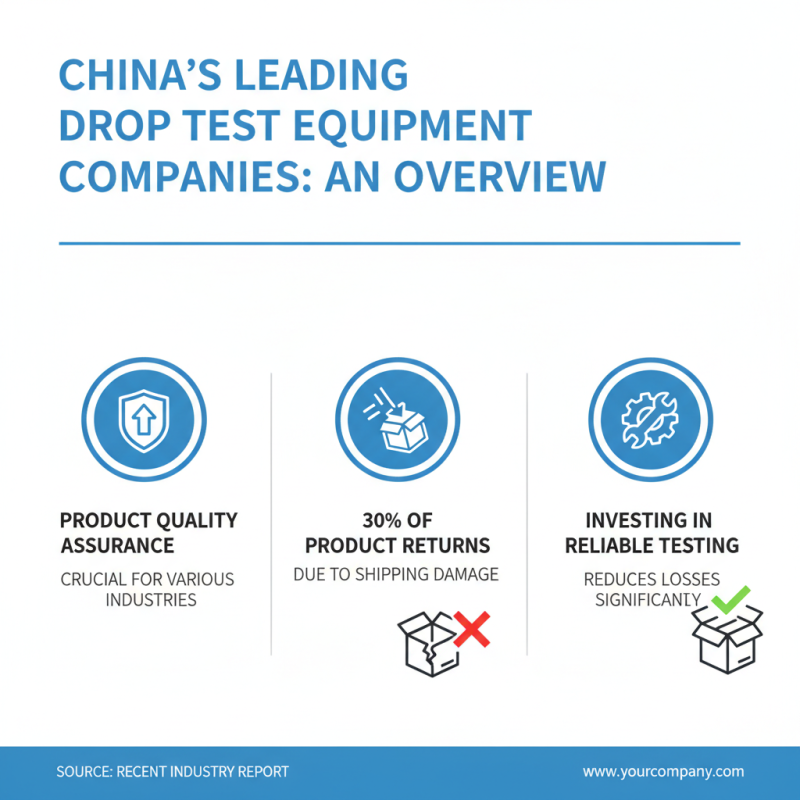
In recent years, drop test equipment has become crucial for product quality assurance in various industries. Companies are investing in reliable testing tools to avoid product failures. According to a recent industry report, about 30% of product returns are due to damage sustained during shipping. Understanding the importance of drop testing can significantly reduce these losses.
China is home to numerous leading companies in the drop test equipment field. These companies are focusing on technology that enhances reliability and accuracy. A study shows that accuracy in testing can improve product durability by up to 50%. Technology advancements allow for automated testing processes that ensure consistency and efficiency. Consumers expect high-quality products, which makes this testing essential.
Tip: Regular maintenance of drop test equipment is vital for sustained performance. Ensure that calibration is performed routinely.
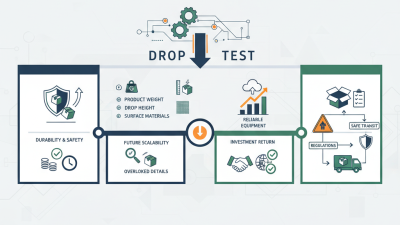
Understanding equipment capabilities can also help manufacturers find the best fit for their testing needs. Utilizing relevant specifications such as drop height and weight limits can enhance testing accuracy. Moreover, adapting to new technologies is an ongoing challenge. Keeping abreast of industry trends is important for staying competitive.
Key Features of Drop Test Equipment for Quality Assurance in China
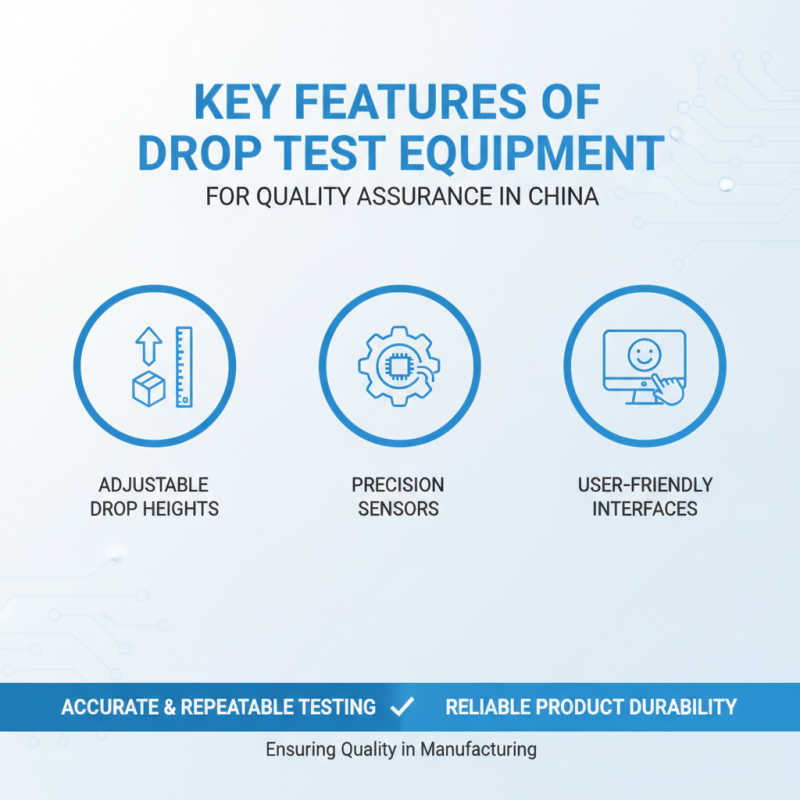
Drop test equipment plays a crucial role in quality assurance within various industries. This equipment simulates real-world impacts on products, helping manufacturers assess durability. Key features include adjustable drop heights, precision sensors, and user-friendly interfaces. These aspects ensure accurate and repeatable testing, which is vital for reliable outcomes.
One significant aspect is the versatility of the equipment. It should accommodate various product types, from electronics to packaging materials. Users must consider the weight and dimensions of their items during testing. Some devices offer customizable drop patterns, which can enhance realism. However, this flexibility requires careful setup to prevent inconsistencies in results.
Another crucial point concerns data analysis capabilities. Advanced drop test machines often come with integrated software for analyzing results. This software can track flaws over numerous tests. Users may find it challenging to interpret complex data, which can lead to misjudgments. Regular training and experience are essential for proper utilization. Ultimately, the aim should be to ensure that products meet stringent quality standards before reaching consumers.
Industry Standards: How Drop Testing Ensures Product Reliability
Drop testing plays a critical role in ensuring product reliability across various industries. According to a study by the International Organization for Standardization (ISO), nearly 30% of product failures occur due to inadequate testing procedures. This highlights the need for rigorous drop tests to evaluate a product's durability under real-world conditions. Proper testing protocols can identify vulnerabilities that may not be apparent during standard product development.
The ASTM International standards recommend that products undergo drop tests from various heights and angles. For example, a mobile device might be tested from 1.5 meters to simulate accidental drops. Research shows that 70% of damaged devices experience drops from this height. However, the testing environment must replicate real usage scenarios accurately. If not, the test results could present an overly optimistic view of product reliability.
Recent discussions in industry forums reveal gaps in adherence to testing standards. Some manufacturers prioritize cost over comprehensive testing, risking customer satisfaction. This emphasizes the need for constant evaluation of testing methods and standards adherence. Failure to address these issues might lead to increased product returns and diminished brand trust, proving that effective drop testing is not merely an option but a necessity for product success.
Market Trends: Adoption of Drop Test Equipment in China's Manufacturing Sector
The manufacturing sector in China is embracing drop test equipment rapidly. This shift is fueled by the need for reliable product quality assurance. In recent years, surveys indicate a 40% increase in adoption rates of such testing equipment across various industries. This trend highlights how manufacturers prioritize product durability and customer satisfaction. As competition intensifies, investing in robust testing solutions is becoming essential for maintaining market advantage.
However, challenges remain. Many manufacturers overlook the importance of regular maintenance of drop test equipment. Reports from industry analysts show that 25% of equipment failure stems from inadequate upkeep. This oversight can lead to flawed results, undermining the very purpose of testing. Engaging in a routine inspection can mitigate this risk.
Tips: Regularly calibrate your drop test equipment to ensure accuracy. Consider integrating sensors that provide real-time data on impact measurements. Doing so enhances reliability and builds consumer confidence in product quality.
China Best Drop Test Equipment for Reliable Product Quality Assurance
| Equipment Type |
Usage Rate (%) |
Key Features |
Market Growth Rate (%) |
| Automated Drop Testers |
45 |
High precision, programmable, data logging |
12 |
| Manual Drop Testers |
30 |
Cost-effective, easy to use, portable |
8 |
| Impact Testing Machines |
15 |
Multiple drop heights, customizable settings |
10 |
| Drop Test Fixtures |
10 |
Versatile, reusable, easy assembly |
5 |
Case Studies: Successful Drop Testing Applications in Various Industries
In various industries, drop testing plays a crucial role in product development. For instance, the electronics sector relies heavily on drop tests to ensure device durability. Manufacturers conduct extensive tests to simulate real-world impacts on their products. These tests provide valuable insights into potential failures that can arise from mishandling or unforeseen circumstances.
The automotive industry also benefits from robust drop testing. Automobile components undergo rigorous evaluation to enhance safety and performance. A small failure during a drop test can lead to significant redesigns. This iterative process is essential, as it identifies vulnerabilities early in development. However, not all tests yield perfect results. Some tests fail to replicate actual use cases, shedding light on the need for ongoing adjustments.
Additionally, packaging solutions greatly depend on effective drop testing. Companies invest time and resources to determine the best protective materials. They assess how different designs can affect the outcome of drop tests. Challenging variables, such as sharp edges or random drops, add complexity. This necessitates continuous learning and experimentation to refine packaging that can withstand various impacts. Each failure prompts teams to rethink their strategies, pushing for innovation in product design and safety standards.
Drop Test Equipment Impact on Product Reliability Across Industries