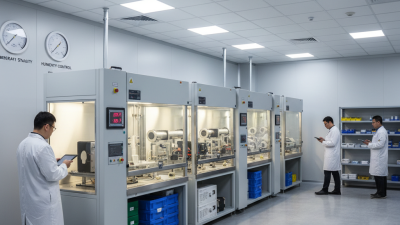
Why Choose an Aging Testing Room for Quality Assurance?
In today's fast-paced market, the quality of products is paramount. An "Aging Testing Room" serves as a vital asset for quality assurance across various industries. According to a recent report by the Quality Assurance Institute, 85% of customers prioritize product reliability. This highlights the need for thorough testing procedures.
Dr. Emily Chen, a leading expert in material science, noted, "Aging Testing Rooms simulate real-world conditions, ensuring products perform consistently over time." This statement underscores the importance of using controlled environments to assess durability. Effective aging tests can reveal weaknesses that might not be apparent through standard evaluations.
Yet, challenges persist in the implementation of Aging Testing Rooms. Not all organizations invest in the latest technology, leading to potential gaps in testing accuracy. Additionally, maintaining a standard for testing conditions can be difficult. As industries evolve, the necessity for rigorous testing remains essential to enhance product reliability and consumer trust.
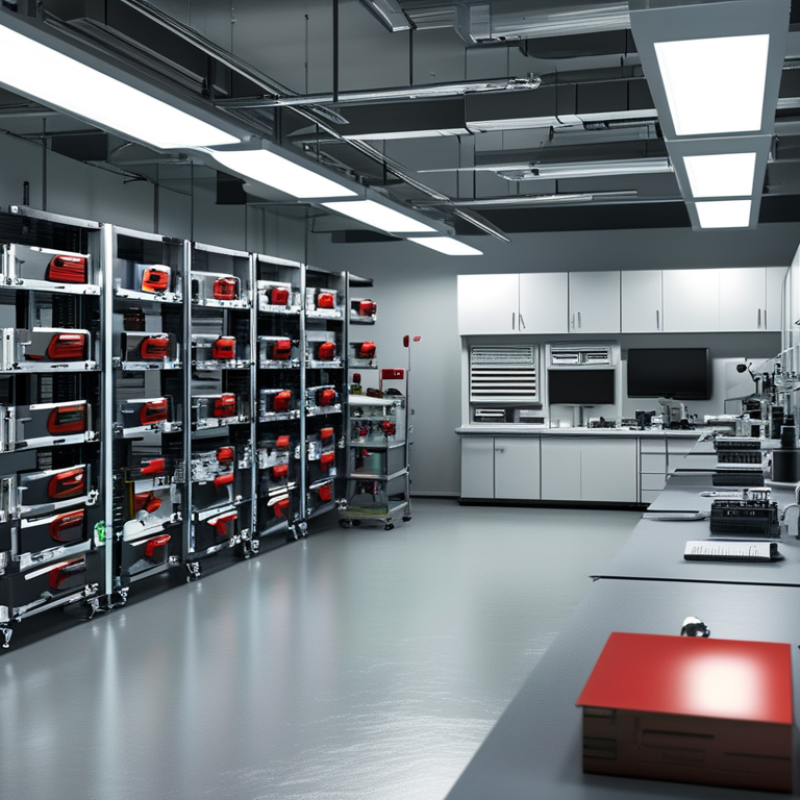
Importance of Quality Assurance in Product Development
Quality assurance (QA) plays a critical role in product development. It ensures that products meet defined standards before reaching consumers. In a world driven by competition, quality is paramount. An aging testing room helps simulate the environment products will face over time. This testing can reveal potential weaknesses and performance issues that might not be obvious in regular conditions.
Pragmatic testing in an aging room provides valuable insights. For instance, you can observe how materials degrade or how electronics respond to prolonged use. These observations are not just theoretical; they translate directly into real-world applications. An aging room can highlight unexpected failures, prompting teams to rethink design choices. This reflection is crucial for enhancing product longevity and user satisfaction.
Quality assurance should not be just a box to check. It's vital to build a culture that values ongoing improvement. By observing products in an aging testing environment, companies can create feedback loops that lead to innovation. The goal is to ensure reliability while avoiding pitfalls that can emerge from overlooking potential flaws. This proactive approach enhances the overall quality of the end product.
Understanding Aging Testing and Its Role in Quality Assurance
Aging testing plays a crucial role in quality assurance. It evaluates how products withstand the effects of time under controlled conditions. The process simulates long-term use to identify potential failures. According to a report from the American Society for Testing and Materials (ASTM), nearly 30% of product failures occur due to aging-related issues.
In many industries, aging tests reveal vulnerabilities that might not surface during regular testing. For example, in the electronics sector, aging can cause materials to degrade, leading to device malfunctions. Studies indicate that products subjected to accelerated aging tests can reveal weaknesses in as little as 480 hours, saving companies significant costs from later failures.
Quality assurance teams must prioritize aging tests. However, it’s noted that some organizations may overlook these tests, aiming for quicker product launches. This could lead to unexpected recalls or customer dissatisfaction. Implementing robust aging testing protocols can enhance product reliability and brand reputation over time.
Key Benefits of Using an Aging Testing Room
An aging testing room is a vital component for quality assurance in various industries. This specially designed space allows products to undergo accelerated aging to simulate long-term conditions. By observing how materials and products react over time, organizations can identify potential failures before they happen.
One major benefit of an aging testing room is improved product reliability. It helps in understanding how environmental factors affect the product lifespan. Products can be exposed to extreme temperatures, humidity, and other stressors. These conditions reveal weaknesses that may not be visible during standard testing. Addressing these issues early can prevent costly recalls and enhance customer satisfaction.
Additionally, aging testing can streamline the development process. Teams gain critical insights that inform design choices and material selection. This targeted approach reduces the risk of trial and error, ultimately saving time and resources. While the process requires careful planning and rigorous analysis, the rewards often outweigh the challenges. Not every product will pass these tests, which may cause frustration, but understanding why can lead to more robust solutions in the future.
Factors to Consider When Selecting an Aging Testing Room
Selecting an aging testing room for quality assurance is crucial. One primary factor to consider is the room's environmental controls. Temperature and humidity levels must mimic real-world conditions. A poor setup can skew test results. The American Society for Testing and Materials (ASTM) recommends maintaining specific humidity ranges to ensure accurate aging assessments.
Another consideration is the size of the testing area. An inadequately sized space may limit the number of samples tested. Limited capacity can affect data reliability, leading to flawed conclusions. Studies disclose that testing larger sample groups can improve statistical accuracy, reinforcing the need for spacious environments.
Accessibility is often overlooked. Ensure that the testing room is within reach of necessary resources. Accessibility impacts efficiency and productivity. An inconvenient location can slow down test cycles and lead to delays. Reflecting on these aspects is essential for optimizing the aging testing process.
Best Practices for Conducting Aging Tests for Quality Assurance
Conducting aging tests in a controlled environment is essential for quality assurance. These tests simulate long-term use, helping to identify potential failures. Unlike standard tests, aging assessments can unveil issues that arise over time. It’s not just about the initial quality; it’s also about durability. Regular exposure to stressors like humidity and temperature changes can provide valuable insights.
Setting up an aging testing room requires careful planning. Proper calibration of equipment ensures accurate results. Maintaining consistent conditions is crucial. Too many variables may lead to misleading outcomes. Documenting each test cycle allows for repeatability. Analysis of data helps refine production processes. Yet, not all tests yield expected results. It’s vital to assess discrepancies and learn from them.
Quality assurance thrives on adaptability. A testing room must evolve based on findings. Feedback loops from aging tests enhance product reliability. Inconsistent data can signal underlying issues. Continuous improvement is the ultimate goal. Prioritizing these best practices leads to robust quality assurance strategies.
Why Choose an Aging Testing Room for Quality Assurance?
The following bar chart illustrates the key benefits of conducting aging tests in quality assurance, focusing on aspects such as reliability, product lifespan, and performance consistency.