How to Choose the Best Battery Test Chamber for Your Needs?
Choosing the right Battery Test Chamber is crucial for manufacturers in the energy sector. With the global battery market expected to reach $120 billion by 2030, the demand for reliable testing solutions is undeniable. According to a report by MarketsandMarkets, the need for advanced testing equipment is driven by the rising production of electric vehicles and portable electronics.
Battery Test Chambers help simulate various environmental conditions. They ensure batteries perform optimally under stress. This evaluation process has become vital as batteries become more sophisticated. The accuracy of testing results impacts product safety and longevity. Yet, not all chambers are created equal. Understanding your specific testing requirements is essential.
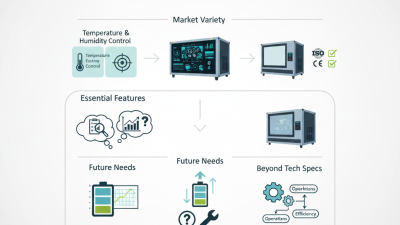
When selecting a Battery Test Chamber, consider factors like temperature range and humidity control. Attention to these details can make a significant difference in your testing outcomes. However, it's important to acknowledge that each testing scenario may pose unique challenges. Manufacturers must remain vigilant and adapt their equipment choices to evolving industry standards and technological innovations.
Understanding Battery Test Chambers: Key Features and Specifications
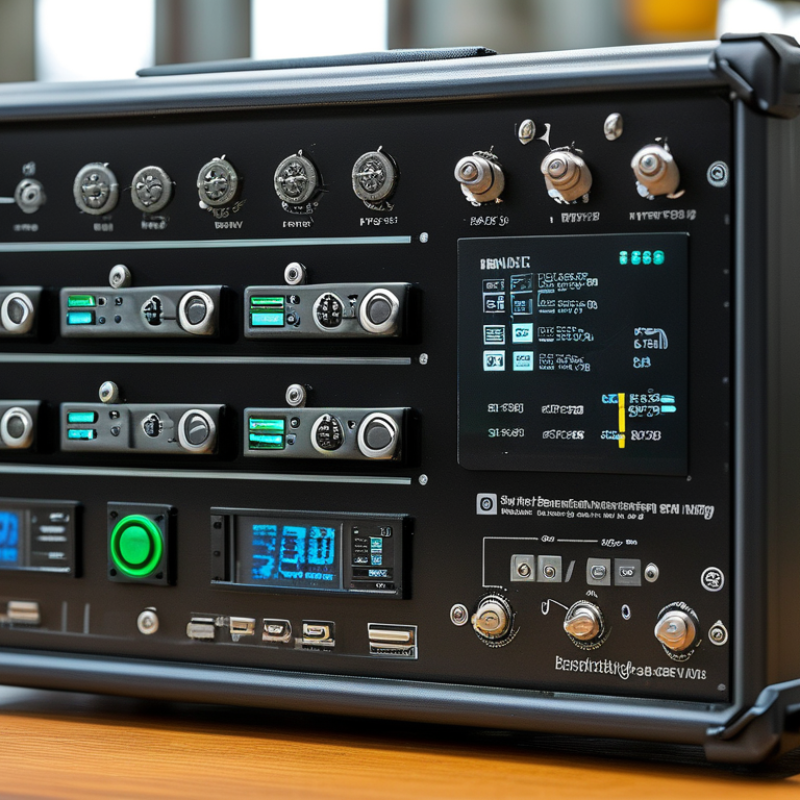
When selecting a battery test chamber, consider several key features and specifications.
Temperature control is critical. A chamber should maintain precise temperature ranges to test batteries under various conditions.
This aspect affects battery performance and longevity. Look for chambers with both heating and cooling capabilities.
Another important feature is humidity control. Batteries are sensitive to moisture levels. Testing in a controlled humidity environment can yield more reliable results.
Some chambers come equipped with advanced humidity options. These can simulate real-world conditions, providing better data for evaluations.
Finally, consider the size and capacity. The chamber should accommodate the battery sizes you intend to test.
Some projects may require testing multiple batteries simultaneously. A larger chamber might be necessary for such scenarios.
Always reflect on your testing needs. Choosing the right specifications can significantly impact your project outcomes.
Types of Battery Test Chambers: Environmental and Thermal Considerations
When selecting a battery test chamber, understanding environmental and thermal considerations is crucial. These chambers simulate real-life conditions to test battery performance. According to a study by the International Journal of Energy Research, temperature variations can significantly affect battery life. Proper temperature control is essential for accurate testing.
Humidity levels also play a vital role in the testing process. High humidity can lead to battery corrosion, impacting reliability. Research indicates that maintaining a humidity level of about 50% can yield consistent results. Choosing a chamber with adjustable humidity settings ensures that you can create the right environment for your specific battery type.
Tips: Consider the size of the chamber. Ensure it accommodates various battery sizes comfortably. Check the chamber's material quality for durability and safety. Test chambers should have a proven track record in the industry. Regular calibration is essential for maintaining accuracy.
Selecting the right battery test chamber requires balancing these environmental factors. Not all chambers are designed the same. Reflecting on specific requirements helps in making an informed decision. Do not overlook the manufacturer’s specifications and user reviews. They can provide insights into reliability and performance.
Battery Test Chamber Types and Temperature Ranges
Choosing the Right Size: Capacity Requirements for Battery Testing
When selecting a battery test chamber, one critical factor is size and capacity requirements. Understanding these needs is essential for effective testing. Industry research shows that less than 30% of companies choose chambers with the correct capacity. Many end up overestimating their requirements, leading to excess costs. The right size allows for accurate testing without wasting energy or resources.
Battery testing standards, such as IEC 62133, require specific testing conditions. These conditions can vary depending on battery type and application. For example, a chamber should accommodate multiple batteries simultaneously if testing large-scale applications. Reports indicate that a capacity of 30-200 liters is often sufficient for small to medium applications. However, larger systems may require up to 600 liters.
Also, consider future needs when choosing capacity. Some companies experience growth or varying project demands. If a battery testing lab anticipates scaling, investing in a larger chamber may be beneficial. This can prevent the need for frequent upgrades that disrupt testing schedules. It's a balance of immediate requirements and long-term planning, which can be complex yet vital in the evolving battery technology landscape.
Evaluating Testing Standards: IEC, UL, and ISO Compliance in Battery Testing
When selecting a battery test chamber, compliance with testing standards is crucial. IEC, UL, and ISO are the primary benchmarks that ensure quality and safety.
IEC standards focus on international harmonization. They provide a framework for testing methods that aim for uniformity across different regions.
UL standards emphasize safety, particularly in protecting users from electrical hazards.
ISO offers guidelines for consistent quality management. These frameworks help mitigate risks linked to battery usage.
Understanding these standards can be overwhelming. Each has its specific requirements and nuances. Manufacturers often face challenges in ensuring full compliance.
Research shows that non-compliance can lead to safety issues. This underscores the importance of thorough testing.
One must weigh the long-term benefits against immediate costs.
Investing in a battery test chamber that meets these standards helps safeguard innovation. Proper compliance enhances product reliability.
However, pursuing certification can introduce complexities. Companies need to ensure their testing processes align with these standards.
A lack of clarity can lead to mistakes and failed certifications.
Keep this in mind as you navigate the selection process.
Cost versus Quality: Budgeting for Advanced Battery Test Equipment
When considering advanced battery test equipment, cost and quality are key factors. You might feel the pressure to stick to a budget, but remember that lower costs can sometimes lead to poor performance. Investing in a reliable battery test chamber is essential for accurate results. Quality equipment can enhance your testing processes significantly.
Tips: Look for feedback from users who have previously purchased similar chambers. Their experiences can guide your decision. Analyze warranty and service options from potential suppliers. This information can save you future costs related to maintenance or repairs.
Equip yourself with the knowledge of what features are essential. Prioritize temperature control and safety features, as they are crucial for battery testing. However, don’t overlook the importance of user-friendly interfaces. A complex setup can lead to mistakes and inconsistent data.
Cost considerations cannot entirely overshadow quality. Choose a chamber that meets your specific testing needs without breaking the bank. Balancing your budget with the right features can feel overwhelming. Yet, investing in quality often reduces overall costs in the long run.