How to Choose an Altitude Simulation Chamber
Choosing an Altitude Simulation Chamber is not simply a matter of selecting the highest simulated elevation. It means matching the chamber’s control range, room capacity, monitoring, and service support to its intended users. Small details matter: a stable oxygen reading, even airflow near the training area, and controls staff can understand during a busy session.
The CDC’s 2024 Yellow Book identifies 8,000 feet (about 2,450 metres) as an elevation where altitude illness can begin for some travellers. That is useful context, not a chamber specification. Randy Wilber, a recognized altitude-physiology researcher, has emphasized in his published work that altitude exposure should be planned around the dose and the individual response. The practical lesson is simple. A display setting alone cannot prove that a chamber delivers consistent conditions.
A sound comparison should examine independent oxygen monitoring, calibration records, recovery procedures, and the manufacturer’s stated performance under realistic occupancy. Ask how the system behaves when doors open, several people exercise, or a sensor needs replacement. Request test documentation, not just a polished brochure. Evidence on hypoxic training also shows that outcomes vary with exposure and protocol; the chamber is only one part of the setup. Some specifications look reassuring until tested in daily use. This guide outlines the questions that help buyers assess safety, reliability, and long-term suitability without mistaking impressive numbers for dependable performance.
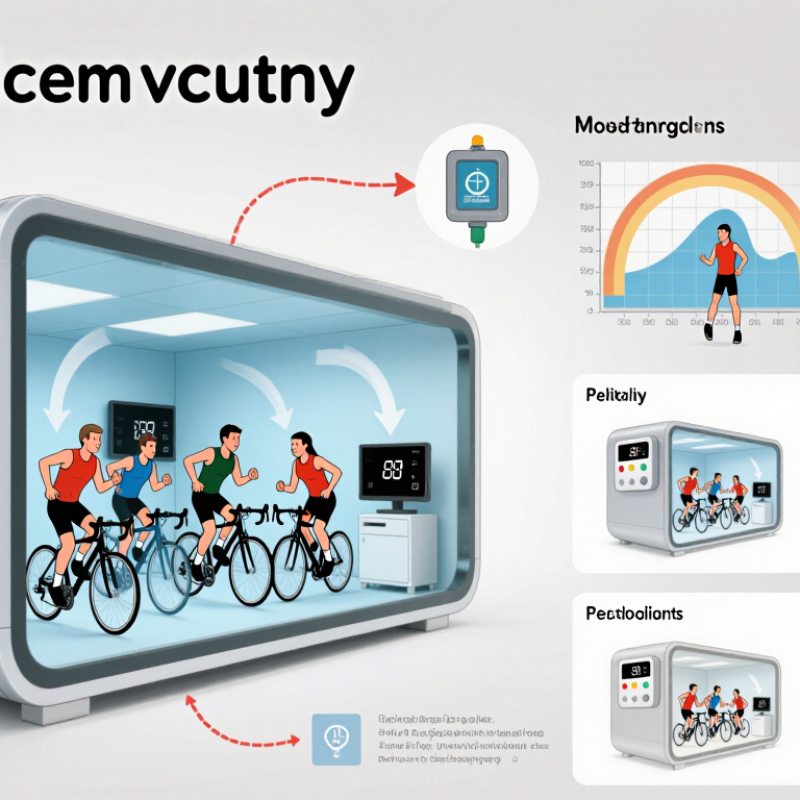
Understanding the Purpose and Principles of an Altitude Simulation Chamber
An altitude simulation chamber recreates selected high-altitude conditions in a controlled indoor space. Its purpose may be research, equipment testing, or supervised training—not simply making a room feel mountainous. That distinction matters. Some chambers lower barometric pressure, reducing oxygen partial pressure as it does outdoors. Others maintain normal pressure but lower oxygen concentration. The body’s response can overlap, but the conditions are not identical. Choose the approach that matches the question being studied.
Reliable simulation depends on more than a target altitude on a screen. Pressure and oxygen sensors need calibration, while circulation helps limit uneven conditions. Ask how quickly the chamber changes altitude, how it maintains set points, and how deviations are recorded. A sound protocol may include gradual changes and rest periods. Not every user needs the same profile. For human exposure, qualified medical oversight and clear stop criteria are important, especially when participants have health concerns. For equipment testing, check usable chamber volume, access ports, and whether temperature or humidity also need control.
A practical check can reveal shortcomings: place a calibrated monitor at working height, then compare readings across locations. One reading is not enough. Review maintenance records and emergency procedures before relying on a chamber for repeated sessions. Even good equipment has limits; the intended use, measurement uncertainty, and operator experience should shape the choice.
Comparing Chamber Types, Capacity, and Performance
Choosing an altitude simulation chamber starts with its method.
A hypobaric chamber lowers air pressure; a normobaric system adjusts oxygen concentration while keeping pressure near ambient. These methods can feel similar in training, but equipment, maintenance, and monitoring needs differ. Confirm which method fits your protocol. Ask how the system manages changes during exercise.
Capacity is more than headcount.
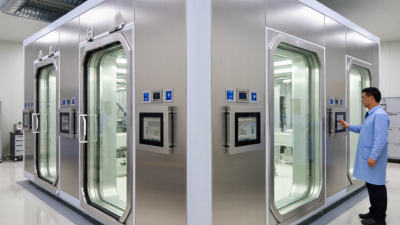
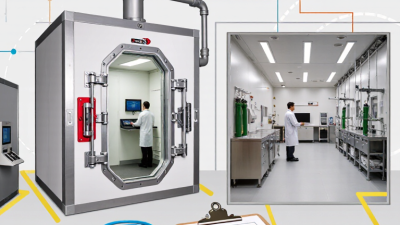
Check usable floor area, ceiling height, door width, and whether a treadmill or cycle fits without blocking airflow. For multiple users, ask about fresh-air exchange, recovery time between sessions, and stable readings during heat and movement. Performance depends on controlled transitions, calibrated sensors, alarms, and logged data—not just the lowest simulated altitude. Review service access and emergency procedures with qualified staff. It is easy to underestimate equipment clearance.
Tips: Request a demonstration at your intended workload. Compare sensor accuracy, ramp rates, noise, and maintenance intervals in writing. Small details matter.
Evaluating Safety Features, Controls, and Maintenance Needs
When evaluating an altitude simulation chamber, look beyond its maximum altitude rating. Safety depends on how the system responds when conditions change. Check for clearly audible alarms, an accessible emergency stop, and a controlled return to normal pressure. Ask how the chamber handles power loss and whether communication remains possible during a session. Small details matter: an operator should be able to read pressure and oxygen readings without leaving the controls.
Controls should let trained staff set a target altitude and rate of change, then confirm those settings before a session begins. Clear displays help prevent mistakes, especially when several values change at once. Review whether the system records pressure, timing, and alarms for later inspection. Simple controls are useful. But a simple interface is not a substitute for training or a documented procedure.
Maintenance needs are part of the safety decision, not an afterthought. Ask for the recommended inspection schedule and the availability of calibration records. Seals, valves, sensors, and vacuum-system components may need periodic checks; exact intervals depend on the equipment and its use. Keep a log of service, faults, and unusual readings. It is easy to focus on the chamber’s performance figures and overlook the time needed to keep them reliable. That deserves a closer look.
Selecting and Verifying the Right Chamber for Your Application
Choose a chamber by the conditions your application must reproduce, not by its maximum altitude alone. Define the target pressure range, ramp rate, exposure time, and number of occupants or test items. A chamber for short, seated trials may not suit prolonged exercise or testing large equipment. Check temperature and humidity control, too; pressure changes can affect both. Leave room for the equipment, cables, and staff who need safe access.
Tips: Ask for a pressure map at several points inside the chamber. Verify performance with calibrated instruments, ideally under a representative load. Review alarm limits, emergency pressure recovery, door interlocks, and maintenance access. Numbers can mislead. A specification sheet may not show gradients or recovery time in real operating conditions.
Before purchase, agree on acceptance tests and ask how results will be documented. Confirm that calibration records are traceable and that the supplier can support routine checks. If possible, observe a test using your own sensors or a realistic dummy load. I would be cautious about relying on one successful demonstration; it may not reflect daily use. Requirements can change, and some assumptions will prove wrong. Document those uncertainties, then choose a chamber with enough capacity and control range to accommodate them.
How to Choose an Altitude Simulation Chamber
Approximate standard-atmosphere pressure targets at selected altitudes. Use the required test altitude and corresponding pressure range to guide chamber selection, then verify pressure accuracy and stability with calibrated instrumentation.