Leave Your Message

Why Use an Altitude Simulation Chamber?

An Altitude Simulation Chamber recreates selected high-altitude conditions inside a controlled indoor environment. It can reduce oxygen availability while monitoring pressure, temperature, humidity, and exposure time. This makes altitude-related responses easier to observe without immediate travel to a mountain location. Researchers, aerospace teams, medical professionals, and endurance coaches may use these chambers for different purposes. Their methods should match the participant’s health status and the evidence behind each protocol.

In clinical settings, trained personnel can monitor breathing, heart rate, oxygen saturation, and symptoms during carefully planned sessions. A visible pulse-oximeter reading may change within minutes, but one number never explains the whole response. Safety comes first. Emergency procedures, equipment checks, informed consent, and qualified supervision remain essential. Athletic users may explore acclimatization strategies, yet results vary between individuals and should not be presented as guaranteed performance improvements. The same session can feel manageable for one person and overwhelming for another.

That uncertainty matters.

A well-designed chamber supports repeatable observations, but it cannot perfectly reproduce every mountain condition. Wind, exertion, cold, terrain, and psychological stress may be missing. Some published claims also deserve closer examination, especially when marketing language moves faster than independent research. Reliable decisions depend on calibrated systems, documented protocols, medical judgment, and transparent reporting. Used responsibly, an Altitude Simulation Chamber offers a practical way to study hypoxic exposure, prepare for selected environments, and understand human limits with greater control. Its value is real, but careful interpretation remains necessary.

Why Use an Altitude Simulation Chamber?

What Is an Altitude Simulation Chamber?

An altitude simulation chamber is a controlled room that recreates conditions found at high elevations. It reduces air pressure, oxygen availability, or both, while monitoring the person inside. Unlike traveling to a mountain, the chamber offers a stable environment with measurable settings. Technicians can adjust the simulated altitude gradually, sometimes reaching conditions comparable to several thousand meters above sea level.

Inside, the experience can feel surprisingly ordinary at first. Breathing may become faster. A mild headache, dry mouth, or unusual tiredness can appear. These details matter because the body responds to reduced oxygen in individual ways. Medical staff usually track oxygen saturation, heart rate, breathing, and personal symptoms during a session. Emergency equipment should remain nearby, even during a routine assessment.

The chamber supports altitude research, aviation training, endurance studies, and controlled preparation for mountain activities. It can also help professionals examine how people respond before recommending further exposure. However, simulation is not a perfect copy of outdoor altitude. Wind, cold, physical effort, anxiety, and changing terrain are difficult to reproduce indoors. That limitation deserves attention. A person who tolerates a quiet chamber may react differently while climbing with a heavy pack. Reliable use depends on calibrated instruments, trained supervision, clear screening, and careful records rather than confidence alone.

How Does an Altitude Simulation Chamber Recreate High-Altitude Conditions?

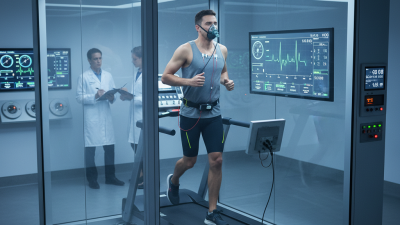
An altitude simulation chamber recreates high-altitude conditions by reducing air pressure inside a sealed room. Vacuum pumps remove air gradually, while pressure sensors monitor every change. The oxygen percentage usually remains near 20.9%, but lower pressure reduces the oxygen available with each breath.

According to ISO 2533:1975, standard atmospheric pressure falls from about 101.3 kPa at sea level to approximately 75.3 kPa at 2,438 meters. At this simulated altitude, oxygen partial pressure drops from roughly 21.2 kPa to 15.7 kPa. The body may respond with faster breathing, a higher heart rate, and reduced exercise capacity. These responses can be measured through pulse oximetry, respiratory monitoring, and workload testing.

The chamber can reproduce pressure changes slowly or rapidly, depending on the test purpose. Aircraft safety research often uses 8,000 feet as a reference cabin altitude, consistent with requirements in U.S. Federal Aviation Regulations, 14 CFR 25.841. Some systems also control temperature, humidity, and oxygen concentration for specialized protocols. However, the simulation has limits. It cannot fully reproduce mountain wind, cold surfaces, uneven ground, or the stress of real travel. That matters. A controlled chamber is precise, but real altitude remains less predictable. Researchers should document pressure, exposure time, subject condition, and calibration records to keep results reliable.

Why Use an Altitude Simulation Chamber? - How Does an Altitude Simulation Chamber Recreate High-Altitude Conditions?
Equivalent Altitude Approx. Atmospheric Pressure Approx. Oxygen Partial Pressure Standard-Atmosphere Temperature How the Chamber Simulates It Typical Physiological Effect Common Testing Purpose
Sea level
0 km / 0 ft
101.3 kPa
760 mmHg
≈21.2 kPa
≈159 mmHg
15 °C Maintains near-sea-level pressure and normal ambient air conditions. Normal oxygen availability and baseline cardiovascular response. Baseline measurements, control trials, and equipment calibration.
2 km / 6,562 ft ≈79.5 kPa
≈596 mmHg
≈16.6 kPa
≈124 mmHg
≈2 °C Reduces chamber pressure to the level associated with approximately 2 km altitude. A modest reduction in inspired oxygen pressure; increased breathing effort may occur during exercise. Low-altitude exposure studies and mild hypoxia-response testing.
4 km / 13,123 ft ≈62.2 kPa
≈467 mmHg
≈13.0 kPa
≈97 mmHg
≈−11 °C Uses a vacuum system or controlled pressure reduction while monitoring pressure continuously. Noticeable arterial oxygen desaturation and increased heart rate can develop, especially during exertion. Human performance, respiratory response, and altitude-acclimatization research.
6 km / 19,685 ft ≈47.2 kPa
≈354 mmHg
≈9.9 kPa
≈74 mmHg
≈−24 °C Creates a substantially lower absolute pressure; temperature and humidity may be controlled separately for safety and repeatability. Marked hypoxic stress, reduced exercise capacity, and possible symptoms of acute mountain sickness. High-altitude physiology, emergency procedures, and oxygen-system evaluation.
8 km / 26,247 ft ≈35.6 kPa
≈267 mmHg
≈7.5 kPa
≈56 mmHg
≈−37 °C Reproduces very low ambient pressure while safety interlocks, oxygen monitoring, and decompression controls remain active. Severe hypoxia risk without supplemental oxygen; cognitive and motor performance may deteriorate rapidly. Aviation and aerospace procedures, life-support testing, and high-altitude emergency training.
10 km / 32,808 ft ≈26.5 kPa
≈199 mmHg
≈5.6 kPa
≈42 mmHg
≈−50 °C Simulates extreme altitude through precise pressure control, with oxygen breathing equipment used when required by the test protocol. Very high risk of incapacitation without supplemental oxygen and appropriate protection. Extreme-altitude equipment verification, aerospace research, and controlled emergency-procedure training.
Technical note: Values are approximate and based on the International Standard Atmosphere. At altitude, the oxygen percentage in dry air remains close to 20.9%, but atmospheric pressure decreases, reducing the partial pressure of oxygen. An altitude chamber may reproduce these conditions by lowering cabin pressure, adjusting oxygen concentration, or combining both methods. Actual chamber temperature, humidity, ventilation, and exposure limits depend on the test protocol and applicable safety requirements.

What Are the Main Uses of Altitude Simulation Chambers?

Why Use an Altitude Simulation Chamber?

Altitude simulation chambers recreate low-oxygen conditions without traveling to a mountain. They reduce oxygen levels or air pressure inside a controlled room. This allows athletes, researchers, and engineers to study altitude responses safely and repeatedly.

The main use is structured training. Endurance athletes may practice breathing and pacing under reduced oxygen levels. Coaches can compare heart rate, oxygen saturation, sleep quality, and recovery across sessions. Researchers also use chambers to examine how the body adapts over time. A runner may finish a session with a faster pulse and slower movement, even at a familiar workload. That detail matters. It can reveal poor pacing, insufficient recovery, or an unsuitable protocol.

Altitude chambers support medical and occupational assessments too. Clinicians may evaluate breathing responses under professional supervision. Aviation, mining, and high-altitude teams can test procedures before real deployment. Engineers may examine equipment performance, sensors, and communication systems in thin-air conditions. Results become more useful when temperature, duration, workload, and oxygen levels are recorded accurately.

Tips: Set one clear objective for each session. Check oxygen readings before entry. Keep trained staff nearby, and stop when symptoms appear. Do not treat chamber exposure as a shortcut to fitness. Individual responses vary, and some protocols need revision after early sessions. The equipment may be precise, but human judgment still has limits.

Which Benefits Do These Chambers Provide for Research and Training?

An altitude simulation chamber lets researchers and trainees experience reduced oxygen without traveling to a mountain site.

By adjusting oxygen concentration or air pressure, the chamber can reproduce controlled high-altitude conditions. This control supports repeatable studies on breathing, heart rate, sleep, cognition, and exercise recovery. Researchers can compare the same participant at sea-level conditions and simulated altitude. They can record oxygen saturation, respiratory rate, and perceived effort.

Small details matter. A loose sensor, poor mask fit, or anxious participant can distort results.

In athletic and occupational training, chambers provide a measured environment for acclimatization and emergency practice.

Trainees may rehearse pacing, hydration, communication, and symptom reporting while staff observe continuously. Medical teams can assess protocols for people who may work, travel, or perform in thin-air settings. The chamber also helps evaluate clothing, breathing equipment, monitoring devices, and exercise plans before field use.

Training should remain progressive, supervised, and tailored to individual health conditions.

Yet simulation is not the mountain. Temperature, terrain, ultraviolet exposure, and psychological stress may differ greatly. Pressure-based systems can also create different physiological responses than oxygen-reduced rooms. Results require calibrated instruments, documented procedures, and informed participant consent.

Convenience can encourage overconfidence. A chamber makes conditions easier to control, not human biology. Researchers should question unexpected results, repeat important measurements, and report limitations clearly.

What Safety Factors Should Users Consider?

An altitude simulation chamber recreates reduced air pressure and oxygen availability in a controlled environment. It can support training, research, and medical evaluation, but controlled does not mean risk-free. A small preparation error may become serious during exposure.

Users should receive health screening before entering the chamber. Heart disease, lung conditions, anemia, pregnancy, and recent illness may require medical review. A qualified professional should approve participation. The operator must explain symptoms such as headache, dizziness, confusion, nausea, or unusual fatigue. These signs should never be ignored. Stop the session early.

Emergency planning needs practical detail. The chamber should have reliable oxygen equipment, visible pressure readings, working alarms, and two-way communication. Staff must know how to restore normal pressure safely. They should also rehearse an evacuation, not merely read the procedure. A trained attendant should monitor users throughout exposure, especially during rapid pressure changes.

Check the chamber before every session. Inspect seals, valves, sensors, masks, and communication systems. Keep combustible materials away from oxygen equipment. Only calibrated instruments should guide exposure decisions. Records should include user condition, simulated altitude, duration, symptoms, and corrective actions.

Human judgment can still fail. Fatigue, rushed schedules, or overconfidence may weaken careful monitoring. A second trained person can review the plan and question unsafe assumptions. Safety improves when users report discomfort early, even when symptoms seem minor.

Why Use an Altitude Simulation Chamber?

Altitude simulation chambers reproduce reduced atmospheric pressure to evaluate human performance, equipment behavior, and emergency procedures under hypoxic conditions.

Reference values are rounded standard-atmosphere approximations. Oxygen partial pressure is calculated as approximately 20.9% of atmospheric pressure in dry air.

Oxygen and Hypoxia

Assess oxygen availability, individual tolerance, symptoms of hypoxia, and the need for supplemental oxygen.

Pressure Management

Control ascent and descent rates to reduce risks associated with pressure changes, including ear and sinus injury.

Monitoring and Emergency Readiness

Provide trained supervision, continuous communication, physiological monitoring, alarms, and a rapid return-to-normal-pressure procedure.